Quick Answer
Flemington is a tightly held inner-Melbourne suburb that appeals to buyers who want convenience, character, and fast access to the CBD. It suits owner-occupiers who value walkability and low-friction living, and investors looking for tenant demand supported by transport, nearby employment hubs, and established amenity. The best buying opportunities are usually asset-specific rather than suburb-wide, so street position, building quality, and property type matter more than the postcode alone.
Key Takeaways
- Flemington works best for buyers who prioritise location, accessibility, and an inner-city lifestyle over large blocks or newer estate-style housing.
- The suburb’s housing mix creates separate micro-markets, so apartments, terraces, and compact houses should be assessed on different fundamentals.
- Investors are usually drawn to the area’s broad tenant appeal, especially where transport, amenities, and low-maintenance living align.
- Older stock can offer character and scarcity, but it also increases the need for building checks, renovation budgeting, and due diligence.
- Flemington is often compared with nearby inner-ring suburbs, making side-by-side comparison essential before committing to a purchase.
Pros & Cons
Pros
- Inner-city convenience with strong access to Melbourne’s CBD and major employment precincts.
- Diverse housing options, from apartments to period homes and terraces.
- Strong lifestyle appeal for buyers who want cafes, services, and mobility close by.
Cons
- Older properties may need more maintenance, compliance review, or renovation work.
- Apartments can come with body corporate costs and building-specific risk.
- Some streets and buildings face noise, parking, or traffic pressure, so location matters.
Market Overview
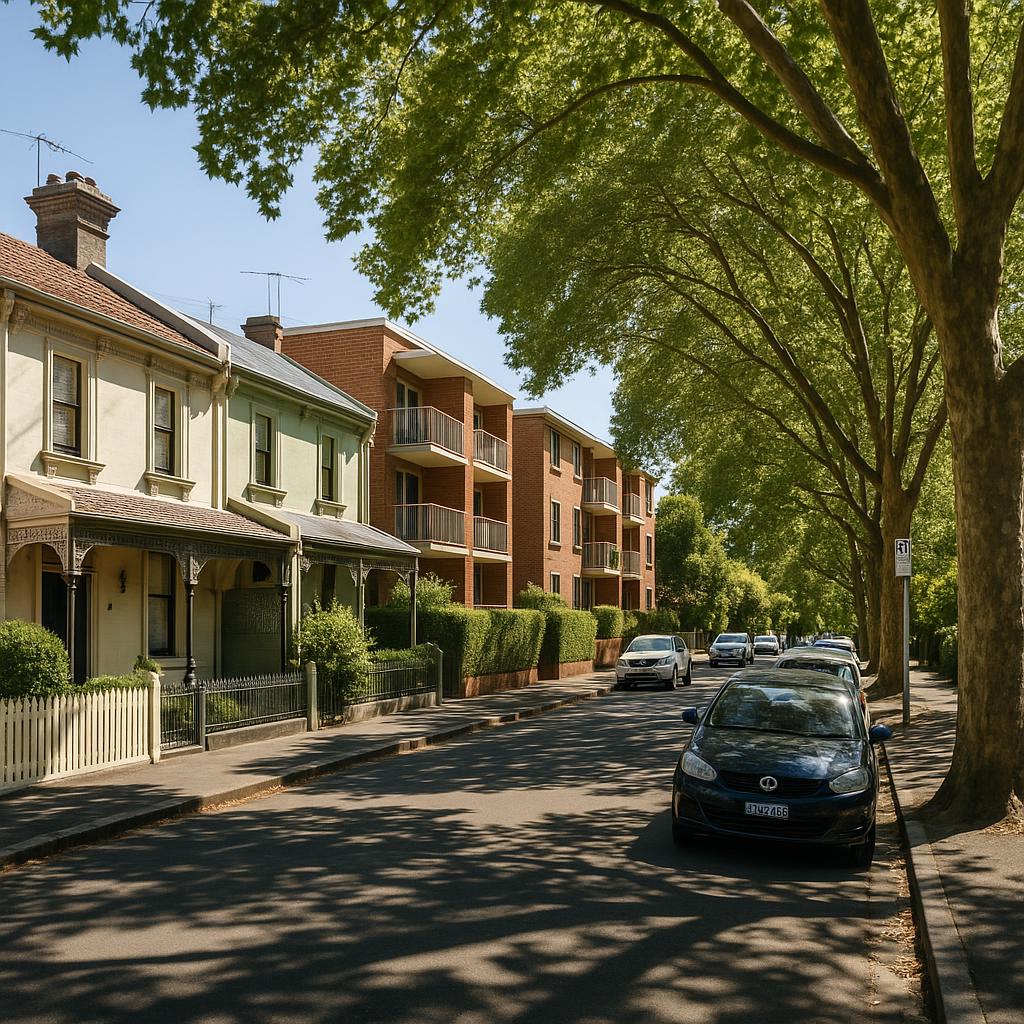
Flemington sits in Melbourne’s inner urban ring and is best understood as a location-led market rather than a size-led one. Its appeal comes from proximity, established amenity, and a housing mix that ranges from older character stock to more compact low-maintenance dwellings. That creates different buying outcomes depending on whether you choose an apartment, a terrace, or a detached home.
For buyers, the important question is not whether Flemington is “good” in the abstract, but which pocket and property type suit your goal. A well-kept terrace on a quieter street may attract a different buyer pool than a dated apartment near transport. That is why comparable sales should be matched by building age, layout, and condition, not just suburb name.
In practical terms, Flemington tends to suit people who want convenience and character without giving up inner-city access. It can work for owner-occupiers and investors, but the best outcomes usually come from disciplined selection and realistic budgeting for upkeep, levies, or renovation scope.
Buyer Demand
Demand in Flemington is typically strongest from first-home buyers, professionals, downsizers, and investors who value convenience more than land size. The suburb attracts buyers who want to reduce commute friction and live close to daily essentials, which keeps well-located stock relevant across different market conditions.
Buyer behaviour is usually property-specific. A move-in-ready apartment may appeal to a very different buyer than a period home with renovation upside. That means presentation, floorplan, and street quality can influence outcomes as much as the broader suburb narrative.
Rental Market
Flemington is generally attractive to renters who want access to the CBD, nearby jobs, and good transport connectivity. That broadens the tenant pool to include professionals, couples, students, and sharers, especially for lower-maintenance homes that are easy to occupy and easy to maintain.
For investors, the key is to buy a rental that is practical rather than merely attractive. A functional layout, good natural light, secure entry, and sensible access will usually matter more than decorative finishes. In older buildings, building management and ongoing costs can materially affect net returns, so review the body corporate carefully before buying.
Lifestyle, Transport & Schools
Flemington offers an inner-suburban lifestyle built around convenience, walkability, and access to services rather than large private outdoor space. That suits buyers who like being close to cafes, shopping, and daily necessities, and who are comfortable with a busier urban feel than the outer suburbs provide.
Transport is a major part of the suburb’s value proposition. Train and tram access, plus road connectivity, make it practical for commuters and renters who prioritise flexibility. When you are assessing a property, test the actual walking route to stops, not just the straight-line distance, because local barriers and peak-hour traffic can change the experience materially.
Families may also weigh access to schools and education options, but the real question is catchment fit, enrolment rules, and everyday practicality. Rather than relying on reputation alone, verify the school zoning and travel time from the specific property you are considering. That is especially important in inner suburbs where boundaries and demand patterns can shift by address.
Flemington Suburb Profile
Official 2021 Census snapshot for the ABS Suburbs and Localities geography.
Age profile
Housing tenure
Occupied private dwellings by tenure type.
Salary & income profile
Median total income reported in the Census.
*Annual figures are weekly median × 52 estimates, not separate ABS annual medians.
Education & qualifications
Highest educational attainment, people aged 15+.
Employment status
People aged 15+ who reported being in the labour force.
Industry of employment
Top responses among employed people aged 15 years and over.
Occupation profile
Broad occupation groups among employed residents, including managers.
Property Type Guide
- Apartments: Often best for first-home buyers and investors wanting lower entry complexity and easy upkeep. Check body corporate records, building quality, and noise transfer.
- Terraces and period homes: Attractive for character, scarcity, and long-term owner-occupier appeal. Budget for maintenance, heritage-related constraints, and hidden repair items.
- Compact houses / detached dwellings: Suit buyers wanting more independence than an apartment while staying close to the city. Street appeal and orientation matter heavily.
- Best fit by strategy: Choose an apartment for simplicity, a terrace for character and scarcity, or a house if you want broader flexibility and stronger emotional resale appeal.
Risks & Watch-Outs
- Older stock can hide repair costs behind fresh presentation, so building inspections matter.
- Apartment purchases require attention to levies, strata governance, and common-area upkeep.
- Busy roads, rail corridors, and parking pressure can reduce liveability if you do not inspect at peak times.
- Not every Flemington property behaves like the suburb average, so compare only with similar property types and locations.
- Renovation appeal can be misleading if the floorplan, building condition, or access is weak.
Nearby Suburbs to Compare
- Kensington
- North Melbourne
- Ascot Vale
- Parkville
- Moonee Ponds
- West Melbourne
FAQ
Is Flemington a good suburb for first-home buyers?
It can be, particularly for buyers who value location, convenience, and lower-maintenance living more than a large block. First-home buyers should focus on floorplan efficiency, transport access, and the true cost of ownership, especially for apartments and older stock.
Is Flemington a good suburb for investors?
Yes, it can suit investors seeking broad tenant demand in an inner-city setting. The key is buying an asset that tenants actually want: practical layout, easy transport access, and manageable ongoing costs. Strong suburb demand does not fix a poor building or awkward floorplan.
What property type is best in Flemington?
There is no single best type. Apartments often suit buyers wanting simplicity and affordability, while terraces and period homes appeal to those who want character and scarcity. The right choice depends on your budget, maintenance tolerance, and whether you are buying to live in or hold long term.
What should buyers check before purchasing?
Check building condition, body corporate documents, street noise, parking practicality, and access to transport and daily needs. If you are buying a family home, also verify school zoning and commute patterns from the exact address. Small differences can materially change value and liveability.
How does Flemington compare to nearby suburbs?
Flemington often competes with Kensington, North Melbourne, Ascot Vale, and Parkville. The main comparison points are housing type, streetscape, transport convenience, and the balance between lifestyle and space. Always compare like with like, because an apartment and a terrace may perform very differently.
Conclusion
Flemington is a strong inner-Melbourne option for buyers who want convenience, character, and broad appeal in a tightly held area. The smartest purchases are usually the ones that match the buyer’s strategy: simple living, rental demand, or long-term scarcity. Street-level and building-level due diligence matter here more than general suburb reputation.
Sources & How to Verify
- Check current sold results and live listings on Domain so you can compare real asking and achieved prices for similar property types.
- Use realestate.com.au to review listing history, days on market signals, and how presentation changes buyer interest.
- Confirm zoning, planning controls, and permit pathways through Victoria’s planning information before assuming renovation or redevelopment potential.
- Verify transport routes and service changes with Public Transport Victoria rather than relying on memory or outdated maps.
- Check school zones and enrolment details on Find My School because catchments matter more than general reputation.
- Review suburb demographics and household patterns on the Australian Bureau of Statistics to understand who is likely to buy or rent in the area.
- Inspect body corporate records, section 32 documents, and building reports carefully because levies, defects, and maintenance can change the true cost of ownership.
- Cross-check everything in person by walking the street at different times of day so you can test noise, parking, access, and overall liveability for yourself.