Quick Answer
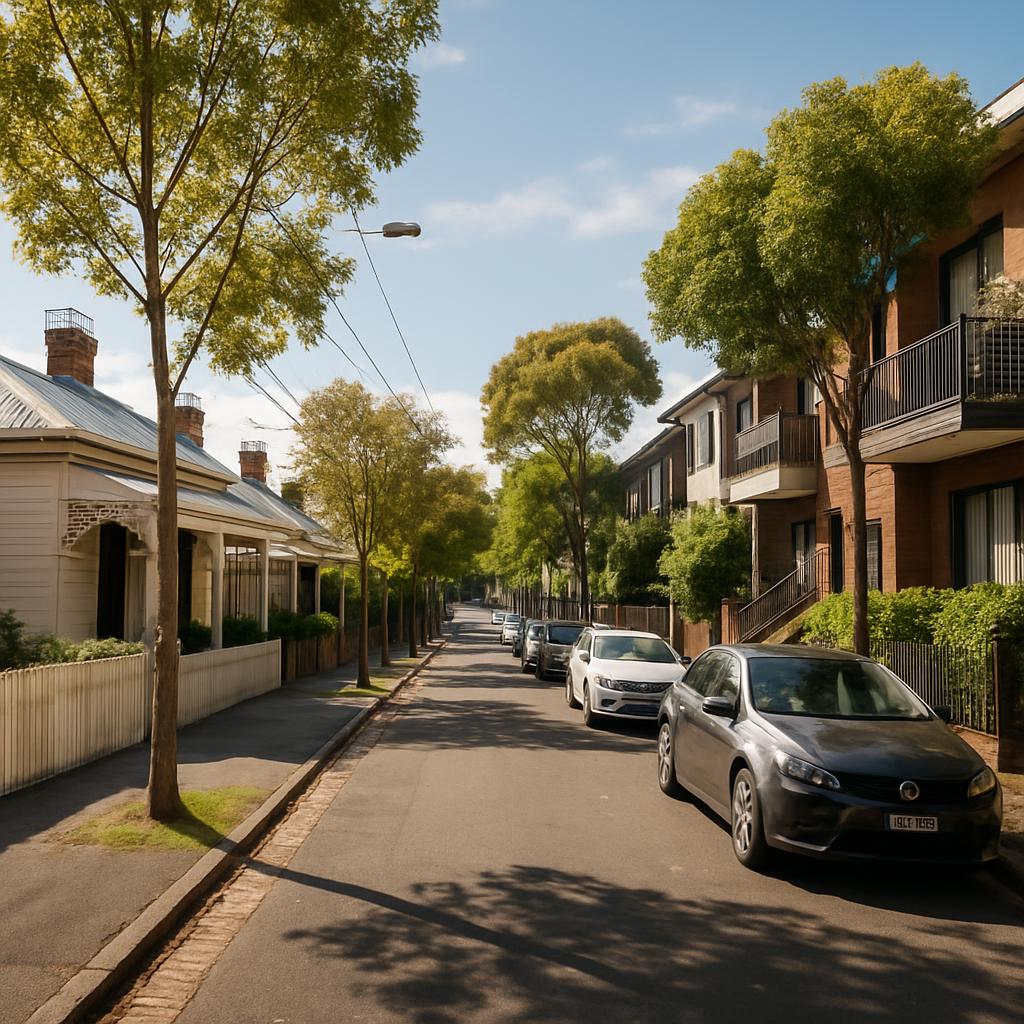
Kensington VIC is a tightly held inner-west Melbourne suburb that suits buyers who want village-style living with genuine city convenience. It is often a strong fit for owner-occupiers chasing character, walkability, and a practical day-to-day lifestyle, while investors may value steady tenant demand from professionals, couples, and small households. The main edge here is location plus scarcity, but buyers should still check heritage controls, parking, and property-specific quality before paying a premium.
Key Takeaways
- Kensington combines inner-city access with a calmer residential feel, which supports both owner-occupier and rental demand.
- Demand is usually strongest for well-located, well-presented homes that match commuter and lifestyle needs.
- Property type matters greatly here, because houses, townhouses, and apartments each attract different buyers and tenants.
- Heritage and planning controls can shape renovation potential, so due diligence should happen before you make an offer.
- The best purchase is usually the one that fits your holding period, maintenance tolerance, and future use plan.
Pros & Cons
Pros
- Inner-west location with strong access to the CBD and nearby employment hubs.
- Broad appeal to lifestyle buyers and renters who value convenience.
- Mix of period homes, townhouses, and apartments gives buyers more strategy options.
Cons
- Competition can be strong for the best-presented stock.
- Heritage and planning controls may limit renovation flexibility.
- Parking, access, and strata quality can materially affect liveability and resale.
Market Overview
Kensington sits in Melbourne’s inner west and benefits from proximity to the CBD, established streets, and a compact suburb layout that keeps supply relatively constrained. That scarcity matters: in a suburb like this, the difference between a good asset and an average one often comes down to street position, orientation, condition, and how easily it suits modern living.
The market tends to reward properties that feel turnkey, practical, and well-connected. Buyers are often paying for more than bricks and mortar; they are paying for convenience, character, and the ability to live efficiently without sacrificing amenity. Because of that, location premium can be real, but it should never replace property-level assessment.
For investors and homeowners alike, the key is to separate suburb appeal from individual property quality. A quiet pocket near transport may be highly desirable, while a compromised floorplan, poor natural light, or difficult access can weaken value even in a popular suburb.
Buyer Demand
Demand in Kensington is typically driven by owner-occupiers, professionals, downsizers, and investors who want an inner-city lifestyle without being in the CBD itself. The suburb’s appeal is practical as much as emotional: it offers commute efficiency, local amenity, and a residential feel that many buyers struggle to find closer in.
In the market, the strongest interest usually goes to homes that are easy to use and easy to maintain. Renovated period homes, efficient townhouses, and apartments with good light and storage tend to be more competitive than properties with awkward layouts or expensive maintenance issues. Buyers often compare not just price, but how well the property will fit their life over the next five to ten years.
Rental Market
Kensington generally appeals to renters who value transport access, café culture, and short commute times. That makes it a good match for professionals, couples, and smaller households that want inner-west convenience without the density of the city centre.
For investors, the best rental outcomes usually come from low-friction properties: secure, well-presented, functional, and close to transport. A smart floorplan, good light, and sensible storage can matter more than size alone. Apartments and townhouses often suit the renter profile well, but older stock needs careful checking for sound insulation, building condition, and ongoing costs.
Lifestyle, Transport & Schools
Kensington has a village-style feel that is one of its strongest selling points. Daily life is supported by local retail, food, parks, and established residential streets, so residents can often handle routine errands without going far. That convenience is a big part of why people stay here.
Transport is a major strength for the suburb. Buyers should assess how close a property is to train services and whether bus connections, driving routes, and parking suit their lifestyle. In inner suburbs, transport convenience broadens both buyer and tenant demand, which can support resale confidence over time.
School considerations should be treated carefully and verified case by case. Families should check the relevant catchment, zoning, and travel routes rather than assuming a suburb-level reputation tells the full story. For many households, the practical question is whether the property works for the school run and the broader weekly routine.
Kensington (Vic.) Suburb Profile
Official 2021 Census snapshot for the ABS Suburbs and Localities geography.
Age profile
Housing tenure
Occupied private dwellings by tenure type.
Salary & income profile
Median total income reported in the Census.
*Annual figures are weekly median × 52 estimates, not separate ABS annual medians.
Education & qualifications
Highest educational attainment, people aged 15+.
Employment status
People aged 15+ who reported being in the labour force.
Industry of employment
Top responses among employed people aged 15 years and over.
Occupation profile
Broad occupation groups among employed residents, including managers.
Property Type Guide
- Period houses: Strong character appeal and long-term owner-occupier interest, but check maintenance, heritage controls, and renovation scope.
- Townhouses: Often the best compromise for buyers wanting lower maintenance with more space than an apartment, though design quality varies.
- Apartments: Useful for entry-level buyers and investors, but building quality, strata costs, and light are critical.
- Best fit by strategy: Choose a house for character and long-term hold, a townhouse for convenience, or an apartment for simplicity and affordability.
Risks & Watch-Outs
- Check heritage and planning controls early, because they can restrict extensions, façade changes, or redevelopment options.
- Inspect parking, access, and street conditions carefully, as these practical issues can affect daily living and resale appeal.
- For strata properties, review levies, maintenance history, and owner-occupier ratios before you rely on the building’s presentation.
- Do not assume every property benefits equally from Kensington’s reputation; a poor layout or noisy position can weaken demand.
- Review building and pest reports, because older housing stock can hide repair costs that are not obvious at first inspection.
Nearby Suburbs to Compare
- Flemington
- North Melbourne
- West Melbourne
- Parkville
- Ascot Vale
- Moonee Ponds
FAQ
Is Kensington VIC a good suburb for property investors?
Kensington can be a good investor suburb if you choose the right asset. The strongest cases usually involve low-maintenance dwellings with broad tenant appeal, sensible layouts, and easy access to transport and amenity. Always verify rents and vacancy conditions with current listings.
What type of buyer suits Kensington best?
It often suits owner-occupiers and investors who value inner-city convenience, established character, and a compact, practical suburb. Buyers who want large land holdings or highly flexible redevelopment potential may find other suburbs better aligned to their goals.
Are houses or apartments better in Kensington?
Neither is automatically better. Houses generally appeal for character and long-term capital-growth potential, while apartments can offer a simpler entry point and easier maintenance. The right choice depends on your budget, holding period, and tolerance for upkeep or strata complexity.
What should I check before buying a property here?
Check the zoning, any heritage overlay, building condition, parking access, and whether the floorplan suits modern living. If buying strata, also review levies, minutes, and maintenance history. These checks matter more than the suburb’s reputation alone.
Does Kensington suit families as well as professionals?
Yes, but in different ways. Professionals may prioritise commute efficiency and low-maintenance living, while families may focus on schools, parks, and functional home layouts. Family buyers should check catchments and daily logistics carefully before choosing a property.
Conclusion
Kensington VIC is a compact inner-west suburb where location, lifestyle, and property type all carry real weight. It can work well for buyers who want convenience and for investors chasing durable tenant demand, but only when the individual property is as strong as the suburb. Focus on quality, due diligence, and long-term fit rather than assuming any address will automatically outperform.
Sources & How to Verify
- Check current sold results on Domain to compare recent Kensington sales with similar homes, not just the suburb median.
- Review live listings on realestate.com.au to see how long comparable properties are staying on market and how they are being presented.
- Use Property.com.au to cross-check listing history, property attributes, and nearby comparable stock.
- Confirm planning controls and overlays on the VicPlan map before assuming a renovation or extension is straightforward.
- Look up school zones and nearby government schools through the Find My School tool rather than relying on hearsay.
- Check transport access using Public Transport Victoria so you can verify actual routes, service frequency, and station proximity.
- Review suburb profile context with the Australian Bureau of Statistics if you want broader demographic trends, but do not treat older census data as current market proof.
- If a property is strata-titled, ask the agent or owner corporation for the latest records and compare them with the building documents before making an offer.