Quick Answer
West Melbourne is an inner-city fringe suburb where location, building quality, and property type matter more than broad suburb averages. It suits buyers who want CBD proximity, strong transport access, and a walkable urban lifestyle, as well as investors who value tenant demand from city workers and professionals. The key is to buy the right asset, because a well-located, well-designed apartment can perform very differently from an older dwelling or a poorly configured building.
Key Takeaways
- West Melbourne is a location-led market, so buyers are paying for convenience, scarcity, and access rather than large land size.
- The suburb suits both owner-occupiers and investors, but each strategy needs a different property type and due diligence lens.
- Apartment quality matters enormously here; floorplan usability, natural light, and building management can drive resale and rentability.
- Older or character properties may offer long-term appeal, but they also need deeper checks for maintenance, compliance, and planning constraints.
- Daily lifestyle access, transport convenience, and proximity to jobs and education are central to demand in this city-edge pocket.
Pros & Cons
Pros
- Very close to the CBD and major employment hubs
- Broad appeal for owner-occupiers, downsizers, and tenants seeking low-friction city living
- Good variety of apartments, townhouses, and older dwellings for different budgets and strategies
Cons
- perty quality varies widely, especially across apartments and converted stock
- Apartment-specific costs and building issues can materially affect net outcomes
- Noise, density, and limited parking may reduce appeal for some buyers
Market Overview
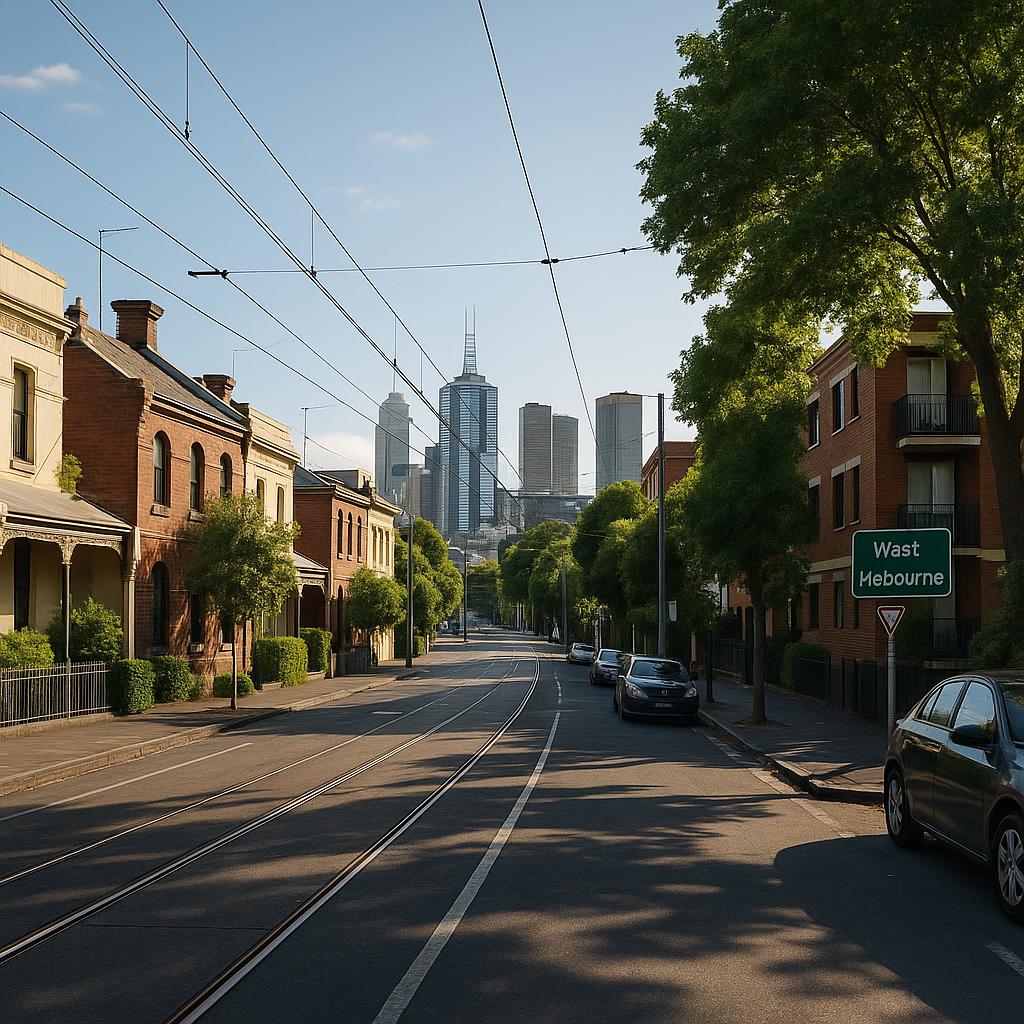
West Melbourne sits on the inner edge of the CBD and is best understood as a small area with multiple micro-markets rather than one uniform housing story. Its appeal comes from city access, transport convenience, and the mix of older low-rise stock, converted buildings, and newer apartment product.
That creates a market where property type is decisive. A premium on convenience can support demand, but only if the home itself works: layout, light, outlook, access, and building condition all matter. Buyers comparing city-fringe options should view West Melbourne through the lens of liveability and long-term usability, not just postcode value.
For investors, the suburb’s edge is that it can attract tenants who want to shorten commutes and live near activity without being directly in the busiest core. For homeowners, it offers an urban lifestyle with practical access to services and the CBD, provided the property and street context suit daily life.
Buyer Demand
Demand in West Melbourne is usually strongest from buyers who value time savings: professionals, downsizers, and investors seeking a compact, easy-to-manage asset close to the city. The more the property supports that use case, the easier it is to sell or lease later.
In practice, buyers respond to functional floorplans, natural light, secure access, and reasonable ongoing costs. A buyer comparing an awkward apartment in a busier pocket with a better-laid-out home in the same suburb may find the latter holds broader appeal, even if both sit within the same postcode.
Rental Market
West Melbourne typically appeals to renters who want CBD convenience without being fully immersed in the busiest part of the central city. That often includes professionals, students, hospital workers, and city-based tenants who prioritise short commutes and low-maintenance living.
For investors, the tenant profile matters more than any generic suburb label. A practical apartment with good light, reliable building management, and access to transport is more leaseable than a larger property that feels dark, cramped, or hard to access. Net performance also depends on strata costs, maintenance exposure, and how well the asset competes against nearby stock.
Lifestyle, Transport & Schools
West Melbourne offers a distinctly urban lifestyle: walkability, mixed-use streets, access to cafes and services, and easy reach to the CBD, universities, hospitals, and entertainment precincts. That makes it attractive to buyers who want convenience and routine efficiency rather than suburban space.
Transport access is a major part of the value proposition. Rail, tram, and road links broaden the buyer and tenant pool, but the exact street and building still matter. Noise, pedestrian flow, and parking can change the day-to-day experience significantly, so buyers should test the commute and inspect the immediate surrounds at different times.
Families and long-term owners may also consider nearby schooling options and access to education services, even though the suburb’s main strength is location rather than a school-led identity. The practical question is whether the property supports the full household routine, not just whether it looks good on paper.
West Melbourne Suburb Profile
Official 2021 Census snapshot for the ABS Suburbs and Localities geography.
Age profile
Housing tenure
Occupied private dwellings by tenure type.
Salary & income profile
Median total income reported in the Census.
*Annual figures are weekly median × 52 estimates, not separate ABS annual medians.
Education & qualifications
Highest educational attainment, people aged 15+.
Employment status
People aged 15+ who reported being in the labour force.
Industry of employment
Top responses among employed people aged 15 years and over.
Occupation profile
Broad occupation groups among employed residents, including managers.
Property Type Guide
- Apartments: Best for low-maintenance living and investor simplicity. Check floorplan efficiency, storage, ventilation, owner corporation records, and any special levies.
- Townhouses / low-rise homes: Often suit buyers wanting a balance between city convenience and more house-like liveability. Review privacy, access, shared walls, and build quality.
- Character / older dwellings: Can appeal to owner-occupiers and long-term holders seeking charm and location upside. Inspect for maintenance scope, heritage controls, and hidden repair costs.
- Newer builds: Offer modern finishes and easier move-in convenience, but buyers should still scrutinise construction quality, warranty issues, and owner corporation governance.
- Buyer fit: Investors often prefer assets with clear tenant appeal and lower maintenance friction, while owner-occupiers may value liveability, storage, and longer-term flexibility.
Risks & Watch-Outs
- Buying for location alone can backfire if the building, floorplan, or street environment is weak.
- Apartment owners should carefully review strata records, maintenance history, and any signs of building defects or special levies.
- Older properties may involve renovation, compliance, or heritage constraints that affect cost and timing.
- Micro-location differences matter here: road noise, outlook, and pedestrian activity can materially change liveability and rentability.
- Ongoing costs are easy to underestimate, especially where parking, building management, or repairs add friction after settlement.
Nearby Suburbs to Compare
- Southbank VIC Property Market Guide: Buyers & Investors
- North Melbourne
- Docklands
- Kensington
- Flemington
FAQ
Is West Melbourne good for first-home buyers?
It can be, if the buyer prioritises CBD access, transport, and low-maintenance living over land size. First-home buyers should be especially careful about strata costs, building quality, and whether the layout actually suits day-to-day life.
Is West Melbourne better for investors or owner-occupiers?
It can work for both, but the asset has to match the strategy. Investors often favour well-located apartments with strong tenant appeal, while owner-occupiers may prefer a townhouse or older dwelling with more liveability and flexibility.
What property types perform best in West Melbourne?
There is no single winner. The strongest asset is usually the one that combines location with usability: good light, practical floorplan, manageable costs, and a building or home type suited to the target buyer or tenant.
Is West Melbourne a good rental suburb?
It can be, because renters value the CBD adjacency and transport convenience. The main question is whether the property itself is easy to lease: a dark, awkward, or high-cost asset will usually underperform a better-designed alternative.
What should buyers inspect before purchasing?
Check building condition, title details, strata documents, parking, noise, access, and any heritage or planning issues. Also inspect at different times of day, because West Melbourne’s streets can feel quite different at peak hours and after dark.
Conclusion
West Melbourne is a strong example of an inner-city market where success depends on choosing the right asset, not just the right suburb. It rewards buyers who understand building quality, micro-location, and long-term usability. If you compare carefully and verify the details, it can suit both investors and homeowners with a city-focused brief.
Sources & how to verify
- Check current sold and listed properties on Domain to compare West Melbourne floorplans, building ages, and asking trends before relying on any estimate.
- Review current rentals on realestate.com.au so you can verify tenant demand, property presentation, and what features compete best locally.
- Use the Australian Bureau of Statistics for the latest census and demographic context instead of outdated suburb summaries.
- Check planning controls and overlays through Planning Victoria before assuming renovation, extension, or redevelopment options are straightforward.
- Confirm transport routes and service changes with Public Transport Victoria, especially if commute convenience is part of your buying case.
- Verify school zones and enrolment details on Find My School rather than relying on hearsay or old forum posts.
- Inspect strata documents, recent minutes, sinking fund health, and building reports directly with the owners corporation where an apartment or townhouse is involved.
- Speak with at least two local agents and one independent building inspector so you can compare the property’s condition, likely buyer pool, and realistic holding costs.