Quick Answer
North Melbourne suits buyers who want inner-city convenience, heritage character, and strong access to employment, transport, and daily amenity. It often appeals to investors as well, especially where the property is low-maintenance and close to the CBD or major institutions. The key is to buy selectively: street, building quality, and dwelling type matter more here than suburb branding alone. If you value walkability and tenant depth, it is worth serious consideration.
Key Takeaways
- Location is the main value driver, with CBD proximity and urban convenience shaping buyer and renter interest.
- Demand is strongest for well-presented homes and apartments that balance access, liveability, and practical layouts.
- Street selection matters because noise, parking, and traffic can vary sharply across a relatively compact suburb.
- Investors should assess building quality carefully, especially in older apartments and strata-managed stock.
- North Melbourne can suit lifestyle buyers and investors, but the right property type is critical to long-term satisfaction.
Pros & Cons
Pros
- Close to the CBD and major employment precincts.
- Strong walkability, transport access, and daily convenience.
- Mix of character homes, conversions, and apartments.
Cons
- Parking can be limited in some streets and buildings.
- Noise and traffic exposure vary materially by micro-location.
- Older homes and strata properties can bring higher ongoing costs.
Market Overview
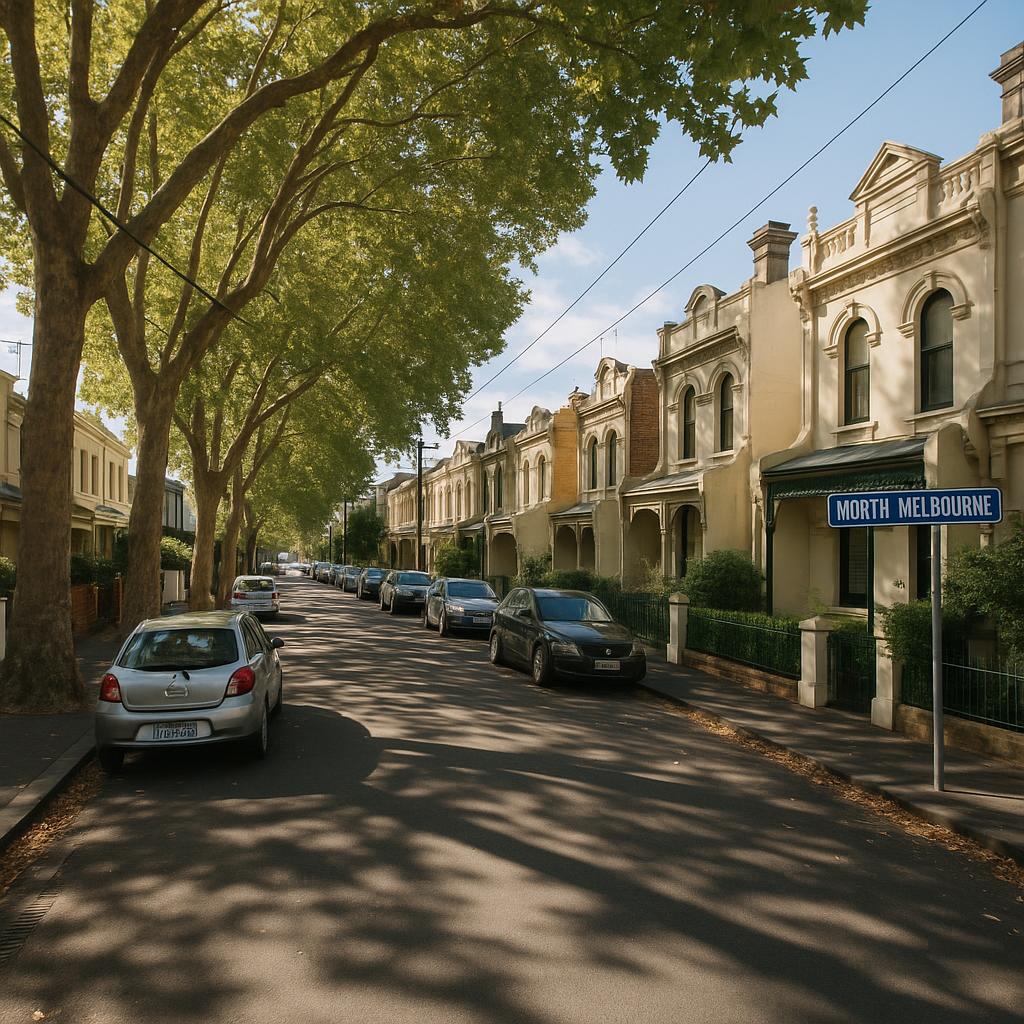
North Melbourne is a tightly held inner-city suburb with a distinctly urban profile: heritage terraces, older converted dwellings, apartments, and pockets of newer redevelopment. Its appeal is anchored by proximity to the CBD, hospitals, education precincts, and established amenity rather than large landholdings or greenfield growth.
For buyers, that means the market is highly property-specific. A renovated terrace on a quieter street can attract a different buyer pool to a compact apartment near transport. This is why broad suburb assumptions are risky; in North Melbourne, the building, street, and floorplan often matter as much as the postcode.
For investors and owner-occupiers alike, the key question is whether the property suits a long-term inner-city strategy. Buyers should verify condition, access, and surrounding uses with current listings, recent sold evidence, and a physical inspection at different times of day.
Buyer Demand
Demand is typically driven by professionals wanting a short commute, downsizers seeking low-maintenance urban living, first-home buyers chasing location, and investors targeting tenant-rich pockets. The suburb’s broad appeal helps support interest across different market cycles, although competition varies by property type.
Well-located character homes, neatly presented apartments, and homes on calmer streets usually attract stronger enquiry. Buyers should look beyond the suburb name and assess natural light, layout efficiency, building presentation, and how easily the property fits daily living or future resale demand.
Rental Market
North Melbourne generally suits tenants who prioritise convenience, transport access, and easy access to work or study. That can include hospital staff, students, professionals, and renters who prefer an inner-city base over larger suburban housing. Low-maintenance properties usually have the clearest investor appeal.
Rental performance is often tied to presentation and practicality. A well-kept apartment with a workable layout may lease more easily than a more expensive but awkward home, while a terrace can appeal to tenants wanting character and extra space. Investors should verify current asking rents and vacancy conditions using live listings.
Lifestyle, Transport & Schools
North Melbourne offers a classic inner-city lifestyle: cafes, local retail, parks, and a strong sense of walkability. That convenience is a genuine lifestyle advantage, especially for buyers who want to reduce car dependence and spend less time commuting.
Transport access is one of the suburb’s strongest practical benefits. Easy CBD connectivity supports both owner-occupier demand and tenant demand, but buyers should still test the route they would actually use, not just rely on map proximity. Noise, congestion, and parking pressure can also shape day-to-day livability.
For families, school access, open space, and broader liveability still matter, even if the suburb is more lifestyle-led than family-oriented. Before buying, check school zones and catchments directly, as these can change and affect buyer interest over time.
North Melbourne Suburb Profile
Official 2021 Census snapshot for the ABS Suburbs and Localities geography.
Age profile
Housing tenure
Occupied private dwellings by tenure type.
Salary & income profile
Median total income reported in the Census.
*Annual figures are weekly median × 52 estimates, not separate ABS annual medians.
Education & qualifications
Highest educational attainment, people aged 15+.
Employment status
People aged 15+ who reported being in the labour force.
Industry of employment
Top responses among employed people aged 15 years and over.
Occupation profile
Broad occupation groups among employed residents, including managers.
Property Type Guide
- Heritage terraces and older homes: Strong character appeal, but budget for maintenance, compliance, and renovation constraints.
- Apartments: Lower maintenance and often strong tenant appeal, but building quality and owners corporation matters are critical.
- Townhouses and newer infill stock: More modern convenience in compact form, though privacy and design quality can vary.
- Buyer fit: Character lovers may lean toward terraces, convenience seekers toward apartments, and investors toward low-upkeep dwellings with practical layouts.
Risks & Watch-Outs
- Parking and access can be challenging, especially for buyers who rely on a car daily.
- Noise from traffic, commercial activity, or nearby institutions can materially affect comfort.
- Some apartment stock may be more sensitive to building quality, defects, or weak owners corporation management.
- Older homes can carry hidden costs in plumbing, roofing, insulation, and general maintenance.
- Suburb-wide reputation should never replace a street-by-street inspection and comparable sales review.
Nearby Suburbs to Compare
- West Melbourne
- Carlton South
- Parkville
- Flemington
- Hotham Hill
FAQ
What makes North Melbourne attractive to buyers?
Its main draw is inner-city convenience. Buyers are typically responding to walkability, transport access, proximity to employment and education hubs, and the chance to own in an established suburb with enduring urban appeal.
Is North Melbourne better for owner-occupiers or investors?
It can suit both, but the best fit depends on property type. Owner-occupiers often favour character and liveability, while investors usually focus on low-maintenance dwellings, tenant demand, and the quality of the building or street.
What property types are most common in North Melbourne?
Expect a mix of older terraces, converted dwellings, apartments, and some newer infill stock. The suburb’s appeal is partly in this mix, but each category comes with different maintenance, strata, and resale considerations.
Is North Melbourne a good area for renters?
Yes, especially for renters who want convenience and a short trip to the city or nearby employment precincts. Tenant demand is usually strongest where the property is practical, well-presented, and close to transport or daily amenity.
How important is street selection in North Melbourne?
Very important. In an inner-city suburb, noise, parking, traffic, and surrounding uses can vary sharply from one street to the next. Two similar homes can feel completely different once you factor in micro-location.
Conclusion
North Melbourne is a strong inner-city suburb for buyers and investors who value convenience, character, and access to major precincts. It is not a one-size-fits-all market, so success depends on choosing the right property type, street, and strategy. If you buy carefully, it can offer enduring appeal and solid day-to-day practicality.
Sources & how to verify
- Check current sold results and active listings on Domain to confirm whether the property type you want is trading tightly or sitting longer on market.
- Review comparable sales and rental evidence on realestate.com.au so you are comparing like-for-like dwellings rather than relying on suburb averages.
- Use the ABS to check the latest demographic and household profile data before assuming the suburb’s buyer or renter base.
- Confirm school zones and nearby education options through Find My School because catchments and enrolment rules can affect demand.
- Read local planning information on the City of Melbourne website to understand overlays, permits, and development activity that may affect your street.
- Check public transport changes and service patterns on Public Transport Victoria to verify real commuting convenience rather than assuming every route is equally efficient.
- For apartments, ask for owners corporation records and minutes so you can check maintenance history, special levies, and any recurring building issues before making an offer.
- Visit the property at different times of day to verify noise, parking, light, and surrounding activity, because these liveability factors are not captured well in online data alone.