Quick Answer
Parkville is a tightly held inner-north Melbourne suburb that suits buyers and investors who value blue-chip proximity, parkland, and strong links to university and hospital precincts. It is usually a quality-and-resilience play rather than a bargain-hunting market. For owner-occupiers, the draw is convenience and prestige; for investors, the appeal is broad tenant demand, low vacancy risk, and long-term location scarcity. Compare carefully if you need stronger cash flow or more affordable stock.
Key Takeaways
- Parkville’s main value driver is location: close CBD access, major institutions, and inner-city amenity.
- The suburb suits buyers who prioritise lifestyle, convenience, and long-term holding confidence over entry-level affordability.
- Investor demand is typically supported by professionals, academics, medical staff, and students seeking well-located housing.
- Property type matters greatly here, because houses, apartments, and heritage stock each attract different buyers and tenants.
- Due diligence should focus on strata quality, heritage limits, parking, noise, and resale depth rather than postcode appeal alone.
Pros & Cons
Pros
- Close to the CBD and major employment precincts.
- Strong lifestyle appeal with parkland and walkability.
- Broad tenant interest from education and health sectors.
Cons
- Affordability can be challenging for many buyers.
- Some assets face strata or heritage constraints.
- Cash flow may be modest compared with more affordable suburbs.
Market Overview
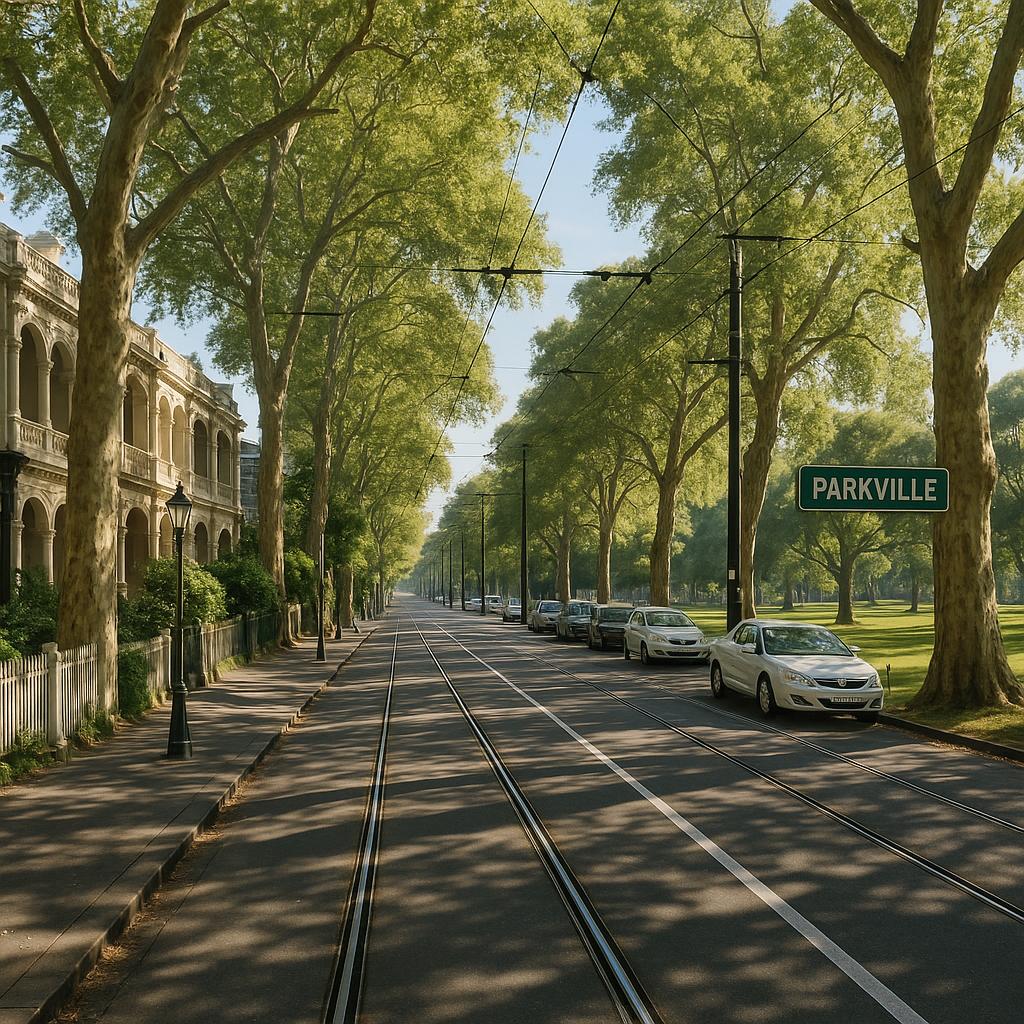
Parkville is an inner-north Melbourne suburb with a clear identity: parkland, education, health, and proximity to the city. It is not the kind of market that relies on large land releases or broad-acre development. Instead, its appeal comes from scarcity, established streetscapes, and the practical value of living close to major institutions and the CBD.
That matters because Parkville often attracts buyers who are making a lifestyle decision as much as a financial one. A professional, medical worker, academic, or downsizer may accept a smaller home or apartment if it shortens the commute and improves day-to-day convenience. In markets like this, property type and exact location can influence performance more than the suburb name alone.
For investors, Parkville usually works best as a long-hold suburb. It tends to reward quality assets with broad appeal rather than highly speculative plays. If you want a suburb profile that combines prestige, amenity, and resilience, Parkville deserves close attention alongside nearby inner-Melbourne alternatives such as Melbourne University VIC Property Market Guide: Buyers & Investors and Carlton North VIC Property Market Guide: Buyers & Investors.
Buyer Demand
Buyer demand in Parkville is usually driven by lifestyle and access rather than speculation. The strongest interest often comes from owner-occupiers wanting a premium inner-city base, plus professionals working in nearby health, education, and research precincts. Downsizers also feature prominently where low-maintenance living and convenience are priorities.
The key strength of demand is its breadth. When one group softens, another may still be active: a family wants park access and education convenience, while an investor wants tenant depth and easy leasing. That diversity can support resale confidence, but only if the property itself is well matched to the likely buyer pool.
Rental Market
Parkville’s rental appeal is closely tied to its surrounding employment and education network. Tenants are often looking for a practical base near hospitals, universities, and transport, with a preference for easy maintenance, security, and efficient layouts. That tends to favour well-located apartments and smaller homes with good access to daily essentials.
From an investor’s perspective, the main question is not just “Can it rent?” but “Who will rent it, and for how long?” A neat apartment may suit a professional or academic on a fixed-term arrangement, while a character home may appeal more to longer-term tenants who value space and location. Matching the dwelling to the tenant profile is crucial.
Lifestyle, Transport & Schools
Parkville’s lifestyle appeal is built around green space, inner-city convenience, and a quieter feel than some denser city-fringe precincts. Buyers who want a walkable environment without sacrificing access to the CBD often find the suburb compelling. The setting also suits people who prefer a daily routine that is simple, compact, and well connected.
Transport is a major part of the story. Tram access improves practicality for commuters and broadens the appeal to households that do not want to rely heavily on a car. For many buyers, the real test is not whether public transport exists, but whether the property’s exact position makes daily travel genuinely effortless.
Education is another major draw, especially because Parkville sits near important tertiary and medical institutions. Families should verify school zones and current enrolment boundaries through official sources, rather than relying on general reputation. If education access is a key objective, compare Parkville with nearby options such as Princes Hill VIC Property Market Guide: Buyers & Investors and North Melbourne VIC Property Market Guide: Buyers & Investors.
Parkville (Vic.) Suburb Profile
Official 2021 Census snapshot for the ABS Suburbs and Localities geography.
Age profile
Housing tenure
Occupied private dwellings by tenure type.
Salary & income profile
Median total income reported in the Census.
*Annual figures are weekly median × 52 estimates, not separate ABS annual medians.
Education & qualifications
Highest educational attainment, people aged 15+.
Employment status
People aged 15+ who reported being in the labour force.
Industry of employment
Top responses among employed people aged 15 years and over.
Occupation profile
Broad occupation groups among employed residents, including managers.
Property Type Guide
- Detached homes: Best for scarcity, character, and long-term owner-occupier demand; check renovation scope and any heritage restrictions carefully.
- Townhouses and low-rise residences: Offer a compromise between space and low maintenance; review shared costs, privacy, and rules.
- Apartments: Often the most practical entry into Parkville; focus on strata quality, layout efficiency, noise, parking, and building condition.
- Heritage or older stock: Attractive for character and period appeal, but upgrades can be costlier and approvals more complex.
Risks & Watch-Outs
- Do not assume a prestigious suburb automatically means every property is a strong asset.
- Apartment and townhouse buyers should review strata records, fees, maintenance history, and any special levies.
- Heritage controls and older-building quirks can limit renovation options and increase holding costs.
- Noise, traffic, and institutional edges can affect liveability more than a map search suggests.
- Investors should separate capital-growth expectations from rental-income reality before buying.
Nearby Suburbs to Compare
FAQ
Is Parkville a good suburb for buyers?
Yes, if you value inner-city convenience, established amenity, and long-term location resilience. Parkville suits buyers who want a quality address with strong practical benefits. It is less suited to buyers chasing the cheapest entry point or the largest possible block.
Is Parkville a good suburb for investors?
Often yes, particularly for investors who prioritise stable tenant demand and low vacancy risk over high immediate cash flow. Success depends on choosing the right property type, understanding strata or heritage obligations, and keeping rental expectations aligned with the dwelling’s actual appeal.
What type of property tends to suit Parkville best?
There is no single best type. Apartments can work well for leasing and convenience, detached homes suit scarcity and owner-occupier demand, and townhouses sit in the middle. The right choice depends on your budget, holding strategy, and exit audience.
Is Parkville family-friendly?
It can be, especially for families who value park access, reduced commute stress, and proximity to education precincts. Families should still check the exact street environment, school catchments, and how practical the property is for daily routines such as parking, storage, and access.
What should I verify before buying in Parkville?
Check the property’s exact location, building quality, strata history where relevant, heritage restrictions, and realistic resale demand. Also inspect noise, parking, and transport access in person. Do not rely on suburb reputation alone when assessing value.
Conclusion
Parkville is best viewed as a premium inner-Melbourne holding market with strong lifestyle and tenant appeal. It rewards buyers who think carefully about property type, quality, and long-term usability. If your goal is convenience, resilience, and access to major precincts, Parkville is a serious contender.
Sources & How to Verify
- Check current sold prices and active listings on Domain so you can compare Parkville with recent nearby sales rather than relying on general market commentary.
- Use realestate.com.au to review current rental listings and gauge the types of homes tenants are actually competing for in the suburb.
- Review property data and suburb profiles on Property.com.au to cross-check listing history, property features, and recent market activity.
- Confirm zoning, overlays, and planning constraints through City of Melbourne before assuming renovation, extension, or redevelopment flexibility.
- Verify school zones and enrolment details using Find My School because catchments and intake areas can change.
- Check tram and public transport access using Public Transport Victoria to understand the real commute from the property, not just the nearest stop name.
- Use ABS for current census and demographic context, but treat it as background only because it will not replace current property-level due diligence.
- Inspect comparable sales, building condition, strata records, and the property’s exact street environment in person before you make an offer.
General information only and not financial or legal advice.