Quick Answer
Brunswick West is a tightly held inner-northwest suburb that appeals to buyers wanting lifestyle, transport access, and long-term capital-growth potential without paying the premium of the more central inner-city areas. It suits first-home buyers, investors, and upsizers, but the best result depends on choosing the right street and property type. Expect a market shaped by location, dwelling quality, and everyday convenience rather than headline price alone.
Key Takeaways
- Brunswick West combines inner-city convenience with a more residential, lived-in feel than many core hotspots.
- Buyer choice is wide, but street position and property type can change value, noise, and resale appeal materially.
- Investors are usually drawn to low-maintenance dwellings and transport proximity rather than land-heavy homes.
- Owner-occupiers often prioritise character, layout, parking, and access to everyday amenity over suburb branding.
- The best purchases usually come from careful comparison of pockets, not from relying on the suburb name alone.
Pros & Cons
Pros
- Close to the CBD and major employment, education, and hospital precincts.
- Good mix of housing choices for different budgets and ownership strategies.
- Strong everyday convenience with parks, retail strips, and transport access nearby.
Cons
- Some pockets are affected by traffic, noise, and limited parking.
- Older stock can bring hidden maintenance or renovation costs.
- Density and streetscape quality vary, which can affect liveability and resale.
Market Overview
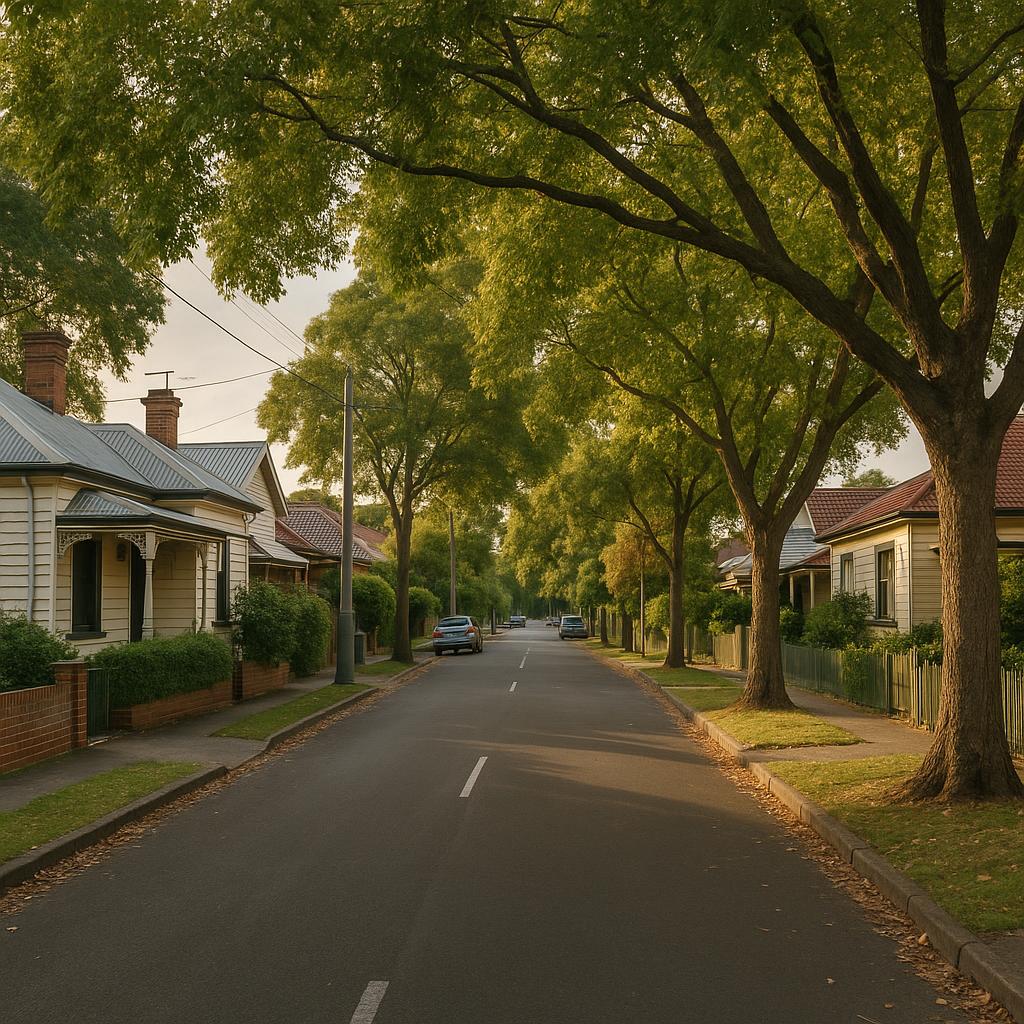
Brunswick West sits in Melbourne’s inner northwest and offers a practical blend of urban convenience and residential calm. It attracts buyers who want easy access to the CBD, major corridors, and nearby amenity, while still preferring a quieter feel than some busier inner suburbs. For context, it is best understood as a suburb where micro-location matters: two streets apart can mean a very different ownership experience.
The housing mix is one of the suburb’s defining features. Buyers may find older freestanding homes, renovated character stock, medium-density townhouses, and apartment options near busier routes. That diversity means the market is not one-size-fits-all; a well-presented home in a quieter pocket may perform very differently from a similar-looking property exposed to traffic or higher-density surroundings.
For investors and homebuyers alike, the key is to assess whether the property fits the likely future buyer or tenant. Brunswick West typically rewards practical, well-located, easy-to-maintain dwellings, especially where the street environment supports long-term owner-occupier demand.
Buyer Demand
Demand is usually driven by a mix of professionals, couples, first-home buyers, and lifestyle-focused downsizers. Many buyers want inner-urban convenience without the intensity of the most central or trend-driven pockets. That creates ongoing interest in homes that are move-in ready, well-located, and easy to live in day to day.
What buyers tend to value most is not just the suburb name, but the combination of access, layout, and low friction. Quiet streets, workable parking, and a home that does not need immediate major work can make a significant difference. If you are comparing properties, review recent comparable sales and inspect at different times of day to understand how the street actually functions.
Rental Market
Brunswick West has broad rental appeal because it suits tenants who want close-in living with reasonable access to transport, services, and employment hubs. That usually includes healthcare workers, students, young professionals, and smaller households who favour convenience over large block size. Demand is often strongest for homes that are simple to maintain and easy to lock up and leave.
For investors, the asset type matters as much as the suburb. A good apartment or townhouse in the right position can be easier to lease than an older house with awkward layout, ongoing maintenance, or parking limitations. Before buying, verify current rental listings, assess strata obligations where relevant, and compare the likely tenant profile with the property’s features.
Lifestyle, Transport & Schools
Brunswick West offers a balanced lifestyle: close enough to enjoy inner-city amenity, yet more residential than many busier strips. Residents can tap into nearby cafes, retail, parks, and the broader inner-north lifestyle network, while still having pockets that feel comparatively quiet. That balance is one of the suburb’s biggest strengths for both owner-occupiers and long-term tenants.
Transport is a major part of the suburb’s value proposition. Public transport access and road connectivity support commuting flexibility, though buyers should test actual trip times rather than relying on map distance alone. Peak-hour traffic, street parking, and route choice can materially affect the everyday experience of living here.
For families, school access is best considered as part of a wider routine rather than in isolation. Check nearby schooling options, walking routes, and how pickup and drop-off traffic affects the immediate area. The most liveable family pockets are usually the ones where daily logistics feel simple, not just the ones that look good on paper.
Brunswick West Suburb Profile
Official 2021 Census snapshot for the ABS Suburbs and Localities geography.
Age profile
Housing tenure
Occupied private dwellings by tenure type.
Salary & income profile
Median total income reported in the Census.
*Annual figures are weekly median × 52 estimates, not separate ABS annual medians.
Education & qualifications
Highest educational attainment, people aged 15+.
Employment status
People aged 15+ who reported being in the labour force.
Industry of employment
Top responses among employed people aged 15 years and over.
Occupation profile
Broad occupation groups among employed residents, including managers.
Property Type Guide
- Older houses: Best for buyers seeking character, land component, and renovation upside; inspect carefully for deferred maintenance and layout issues.
- Townhouses: Often suit investors, downsizers, and busy households wanting lower upkeep and a more practical living format.
- Apartments and units: Can offer strong entry-level access and low maintenance, but check building quality, strata costs, and parking.
- Renovated dwellings: May command stronger interest because they reduce immediate spend, but verify the renovation quality, not just appearance.
- Selection tip: For growth, prioritise street appeal and owner-occupier desirability; for leasing, prioritise convenience, layout, and easy maintenance.
Risks & Watch-Outs
- Traffic exposure and road noise can change the livability of a property dramatically.
- Parking constraints may be a real issue in some pockets, especially for households with multiple cars.
- Older properties can hide repair costs, so building and pest due diligence matters.
- Apartment and townhouse buyers should check strata levies, rules, and any upcoming special works.
- Development nearby can alter privacy, light, and streetscape character over time.
Nearby Suburbs to Compare
- Brunswick East VIC Property Market Guide: Buyers & Investors
- Kensington VIC Property Market Guide: Buyers & Investors
- Flemington VIC Property Market Guide: Buyers & Investors
- North Melbourne VIC Property Market Guide: Buyers & Investors
- Moonee Ponds VIC Property Market Guide: Buyers & Investors
FAQ
Is Brunswick West a good suburb for first-home buyers?
It can be a strong option for first-home buyers who want inner-city access, established amenity, and a range of property types. The trade-off is that the best-positioned homes can attract competition, so buyers should focus on condition, noise, parking, and layout.
Is Brunswick West good for investors?
Yes, provided the property suits tenant demand. Low-maintenance dwellings with easy transport access often lease more efficiently than older homes needing ongoing work. Investors should compare likely rentability, strata costs, and long-term resale appeal before committing.
What property type is best in Brunswick West?
There is no single winner. Apartments and townhouses can suit investors and time-poor buyers, while older houses may suit owner-occupiers seeking character and land potential. The right choice depends on budget, maintenance tolerance, and whether growth or cash flow matters more.
Is Brunswick West family-friendly?
It can be, especially in quieter pockets near parks and with access to practical school routes. Families should inspect around school pickup times, check parking, and assess whether the home provides enough space for current and future needs.
What should buyers verify before making an offer?
Check the street at peak and off-peak times, review comparable sales, inspect building condition, and confirm any planning or strata issues. If the property is an apartment or townhouse, read the owners corporation documents carefully before relying on marketing claims.
Conclusion
Brunswick West is a compelling inner-northwest suburb for buyers who want convenience, lifestyle, and long-term demand, but only if they buy with discipline. The suburb rewards those who compare streets, property types, and build quality carefully. If you match the right dwelling to your goals, it can be a practical and resilient place to own.
Sources & how to verify
- Check current sales and rental evidence on Domain so you are comparing today’s market conditions rather than relying on outdated estimates.
- Review live listings on realestate.com.au to test how property type, condition, and location affect buyer and tenant interest.
- Use ABS data to understand broad demographic trends, but avoid treating suburb averages as a substitute for street-level inspection.
- Confirm zoning, overlays, and planning controls through Planning Victoria before assuming a site has future development or renovation potential.
- Check local area and infrastructure updates via the Merri-bek City Council website to understand council-led changes, permits, and community priorities.
- Verify school zones and enrolment eligibility on the Find My School site, especially if school access is part of your buying decision.
- Look up public transport service details on Public Transport Victoria and test the actual commute at the time you would travel.