Quick Answer
Brunswick East is a tightly held inner-north Melbourne suburb that suits buyers who prioritise walkability, transport access, and an established urban lifestyle. It tends to appeal to owner-occupiers, first-home buyers, downsizers, and investors because the local housing mix supports different budgets and strategies. The key is micro-location: quieter residential streets and well-designed homes usually hold broader appeal than properties compromised by noise, awkward layouts, or poor building quality.
Key Takeaways
- Brunswick East offers an inner-city lifestyle with strong amenity and transport convenience for everyday living.
- Demand comes from both renters and buyers, which can support resale confidence over time.
- Property options range from apartments and townhouses to period homes, each with different trade-offs.
- The suburb rewards careful street-by-street analysis rather than broad assumptions about the postcode.
- Buyers should compare light, noise, layout, and body corporate settings before focusing on headline location.
Pros & Cons
Pros
- Strong inner-north lifestyle appeal with cafes, parks, and a walkable daily environment.
- Broad buyer and renter interest across professionals, couples, downsizers, and some families.
- Diverse stock gives buyers multiple entry points, from apartments to more premium low-maintenance homes.
Cons
- Popular pockets can be competitive, particularly where transport and amenity converge.
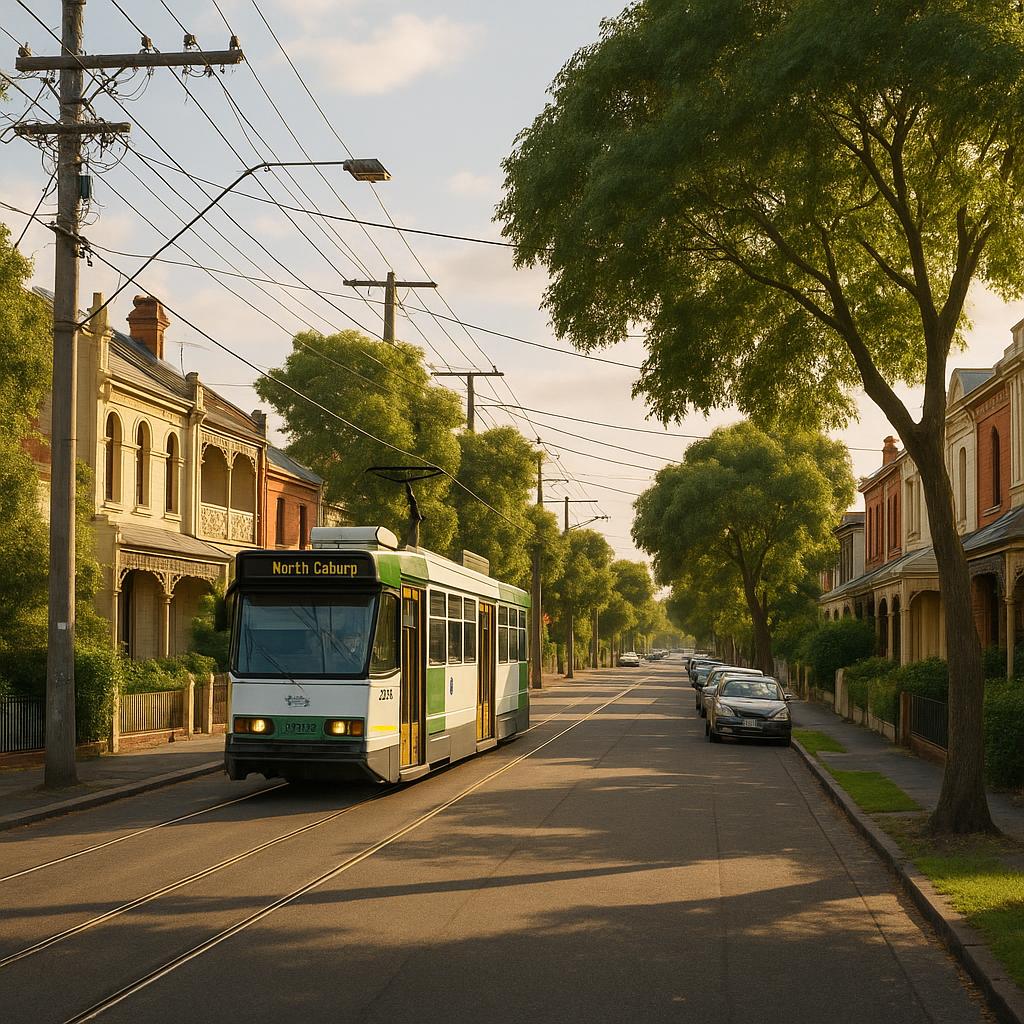
- Noise, traffic, and tram exposure can materially change liveability from one street to the next.
- Apartment quality varies, so some buildings may carry longer-term maintenance or owners corporation risk.
Market Overview
Brunswick East sits in Melbourne’s inner north, close to lifestyle-heavy neighbouring areas such as Brunswick, Carlton North, Fitzroy North, and Northcote. That positioning matters because the suburb is not just “near the city”; it is part of a mature, established housing market where buyers compare streets, building quality, and amenity very carefully.
The suburb generally suits people who want convenience and character without moving into a purely premium, land-constrained pocket. In practice, that means demand often clusters around well-located apartments, practical townhouses, and renovated older homes that balance charm with usability.
For investors and homeowners, Brunswick East is best understood as a suburb where the property itself matters as much as the address. A well-oriented apartment on a quieter street can outperform a nominally similar home beside heavier traffic, a busy tram corridor, or an awkward building layout.
Buyer Demand
Buyer demand is usually broad rather than niche. First-home buyers often target entry-level apartments, owner-occupiers seek better layouts or character homes, and downsizers look for low-maintenance living that still feels connected to inner Melbourne.
Competition tends to be strongest for homes that solve daily problems well: good natural light, storage, parking where relevant, quiet outlooks, and practical floorplans. If you are buying here, you are competing on livability, not just postcode appeal.
Rental Market
Brunswick East tends to suit renters who want inner-city access without the intensity of the CBD. That includes professionals, couples, students, and people working hybrid schedules who value transport access, cafes, and low-maintenance accommodation.
From an investor’s perspective, the safest rental strategy is usually to match the property type to the likely tenant. Compact apartments and well-designed townhouses often have the broadest appeal, while older homes can work well if they are functional, well-presented, and not burdened by excessive maintenance.
Lifestyle, Transport & Schools
Lifestyle is a major reason Brunswick East stands out. The suburb has an urban-village feel, with food, local services, and outdoor amenity shaping daily routines. That lifestyle profile often matters more to buyers here than raw land size or large backyards.
Transport convenience is another core driver. Tram access and bike-friendly movement make the suburb attractive to buyers who do not want to rely on a car for every trip. For renters, this can widen the pool of prospective tenants; for owners, it can make everyday life easier and lower-friction.
Families will still need to check school zones, enrolment rules, and childcare availability carefully. The right school pathway can influence purchase decisions in the inner north, but catchment boundaries and placement rules should always be verified with current official sources before buying.
Brunswick East Suburb Profile
Official 2021 Census snapshot for the ABS Suburbs and Localities geography.
Age profile
Housing tenure
Occupied private dwellings by tenure type.
Salary & income profile
Median total income reported in the Census.
*Annual figures are weekly median × 52 estimates, not separate ABS annual medians.
Education & qualifications
Highest educational attainment, people aged 15+.
Employment status
People aged 15+ who reported being in the labour force.
Industry of employment
Top responses among employed people aged 15 years and over.
Occupation profile
Broad occupation groups among employed residents, including managers.
Property Type Guide
- Apartments: Best for entry-level buyers and investors seeking lower-maintenance ownership. Check light, ventilation, floorplan efficiency, and owners corporation records.
- Townhouses: Often suit buyers who want more space without the upkeep of a full house. Prioritise privacy, storage, and practical access.
- Period homes / terraces: Attractive to owner-occupiers who value character and long-term liveability. Inspect for renovation quality, not just cosmetic presentation.
- Boutique developments: Can appeal if the design is thoughtful and the building is well managed. Smaller scale often feels more resilient than generic stock.
Risks & Watch-Outs
- Micro-location risk matters here because traffic, tram noise, and surrounding activity can change comfort and resale outcomes significantly.
- Apartment risk can be hidden in building age, defects, cladding, waterproofing, or weak owners corporation management.
- Overpaying for “inner-north prestige” without checking fundamentals can lead to poor long-term flexibility.
- Older homes may have charm, but they can also carry maintenance costs that are easy to underestimate.
- Future development nearby may alter outlook, privacy, or noise levels, so check planning context before committing.
Nearby Suburbs to Compare
FAQ
Is Brunswick East a good suburb for first-home buyers?
Yes, if you are comfortable trading land size for convenience and amenity. First-home buyers often find apartments and smaller townhouses the most realistic entry points. The key is to assess noise, body corporate costs, and future resale appeal rather than focusing only on the suburb name.
Is Brunswick East good for investors?
It can be, provided the property is chosen carefully. The suburb’s rental appeal is supported by transport access, lifestyle amenity, and a broad tenant base. Investors should prioritise layout, maintenance profile, and likely tenant demand over chasing the most fashionable address.
What property types tend to work best here?
Well-located apartments and practical townhouses often suit the suburb’s buyer and tenant profile. Period homes can also perform well if they are functional and well maintained. The best option usually depends on your holding strategy, budget, and tolerance for ongoing maintenance.
Is Brunswick East family-friendly?
It can be, especially for families who value access to parks, schools, and walkable amenity. However, family suitability is very pocket-dependent. Quiet streets and usable layouts matter more than the suburb label, so inspect the immediate surrounds carefully at different times of day.
What should buyers watch out for most?
Noise, traffic exposure, and building quality are the biggest recurring issues. In Brunswick East, two similar properties can deliver very different living outcomes. Always inspect the specific street, building, and layout, and review any relevant strata or owners corporation documents before making an offer.
Conclusion
Brunswick East suits buyers who want inner-north convenience, strong lifestyle appeal, and a property market with multiple use cases. It is not a suburb to buy blindly in; the best results come from selecting the right micro-location and property type for your goal. For both owners and investors, fundamentals matter more than hype.
Sources & How to Verify
- Check current listings on Domain to compare asking prices, floorplans, and how different property types are positioned in the local market.
- Review recent sales evidence on realestate.com.au so you are not relying on outdated assumptions about value or demand.
- Use ABS data to understand broader demographic and dwelling trends, but verify suburb-level relevance before drawing conclusions.
- Check public transport details on Public Transport Victoria to confirm tram routes, service frequency, and any changes that may affect daily convenience.
- Confirm planning and zoning context through Victoria’s planning information before buying near redevelopment or higher-activity corridors.
- Review school zone and enrolment details on Find My School because catchments and intake areas can affect both family appeal and resale.
- Inspect local amenity, community information, and any infrastructure updates on the City of Merri-bek website, especially if you are comparing quieter streets with busier activity centres.