Quick Answer
St Kilda West is a tightly held inner-bayside suburb that suits buyers who prioritise location, walkability, and long-term liveability over land size. It tends to appeal to owner-occupiers, downsizers, and investors looking for durable tenant demand rather than flashy short-term gains. The suburb’s strength is scarcity: quality properties, especially well-kept apartments and character homes, can be hard to replace. If you want lifestyle, convenience, and a blue-chip Melbourne address, it deserves serious consideration.
Key Takeaways
- St Kilda West is a premium inner-bayside market where lifestyle, scarcity, and convenience drive buyer interest.
- Demand is usually strongest for well-presented apartments, secure low-maintenance homes, and properties with practical layouts.
- Owner-occupiers and downsizers are often prominent, which can support competition for quality stock.
- For investors, the main appeal is resilient tenant demand and broad lifestyle desirability, not necessarily standout yield.
- Before buying, check building quality, strata records, noise exposure, and how the property performs across different times of day.
Pros & Cons
Pros
- Highly desirable bayside location close to the city and everyday amenity.
- Strong lifestyle appeal that remains relevant across different buyer profiles.
- Low-maintenance apartments and smaller homes suit downsizers and investors.
Cons
- Limited supply can mean tougher competition and fewer compromises available.
- Apartment owners may face strata costs, building-age issues, or renovation limits.
- Not ideal if you need a larger family home or substantial private outdoor space.
Market Overview
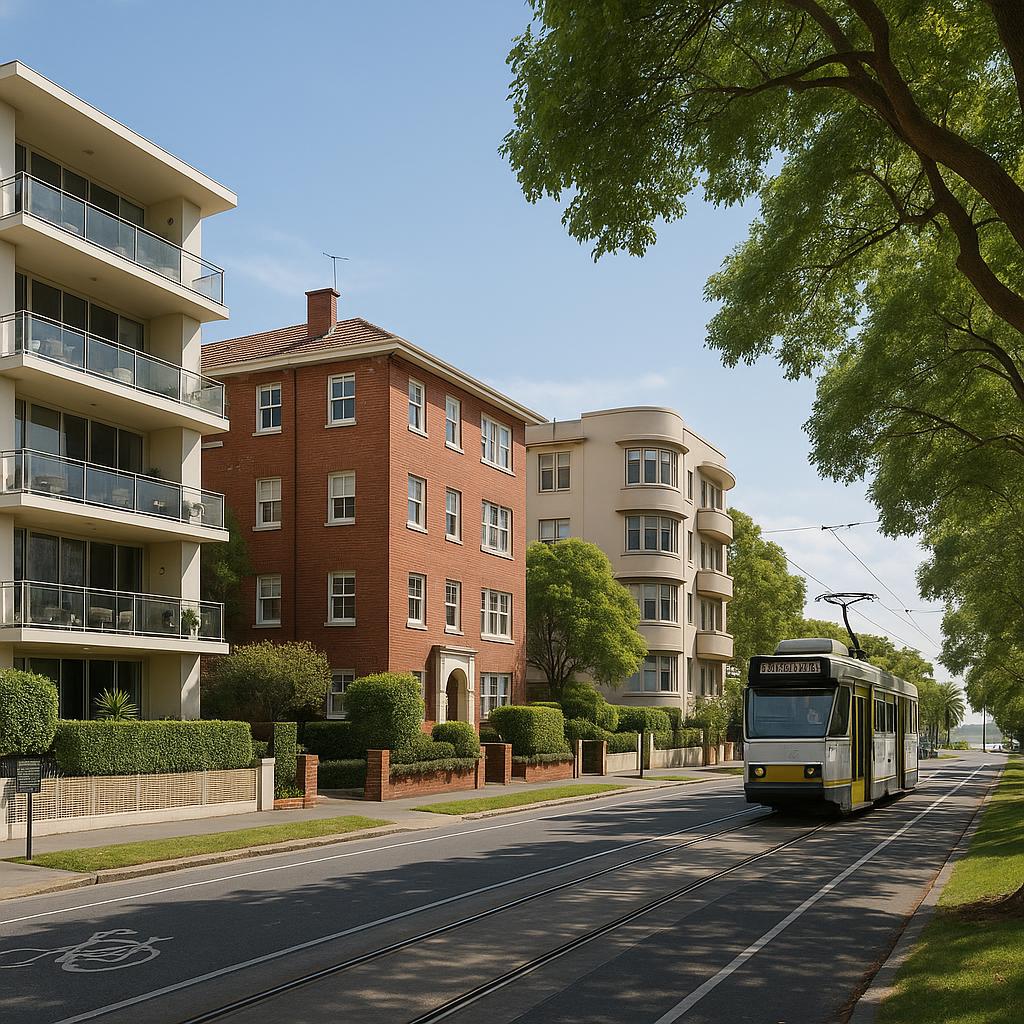
St Kilda West is a compact, premium bayside suburb where buyers are often paying for access, amenity, and a highly convenient lifestyle. The housing mix leans heavily toward apartments and low-maintenance dwellings, with a smaller amount of rare house stock. That combination makes the suburb feel established and tightly held, especially when properties are well located and well maintained.
For market analysis, the key point is that value here is shaped by more than just internal size. Outlook, natural light, parking, building condition, and street position can materially change buyer interest. In practice, two similar apartments can attract very different outcomes if one is quieter, brighter, and in a better-managed building.
As a result, buyers should focus on quality, not just postcode. St Kilda West tends to reward patient, long-term ownership and careful selection. If you want to verify current pricing or recent sales, compare recent comparable listings and settled results rather than relying on broad suburb averages.
Buyer Demand
Buyer demand is usually driven by a mix of owner-occupiers, downsizers, professionals, and investors. Each group values different things, but the common thread is convenience: beach access, tram connectivity, and closeness to the city. That creates a relatively broad buyer pool for the right property type.
Demand tends to be strongest for homes that reduce friction in daily life. That means secure parking, good storage, updated interiors, practical floorplans, and buildings with a well-kept feel. For vendors, that often translates into better results for properties that are easy to inspect, easy to live in, and easy to maintain.
Rental Market
From an investor’s perspective, St Kilda West generally appeals to tenants who prioritise location and lifestyle. That often includes professionals, couples, and long-term renters who want a manageable commute and access to the bay, parks, and nearby activity hubs. Properties that are secure, bright, and low-maintenance are usually the easiest to lease.
Rental performance is typically helped by features that remove inconvenience: parking, a usable balcony, decent storage, and a layout that works for day-to-day living. Investors should also weigh body corporate costs, maintenance, and vacancy risk against any expected rent premium. In this suburb, the most defensible strategy is often quality and broad appeal rather than chasing a narrow tenant niche.
Lifestyle, Transport & Schools
St Kilda West offers a distinctly bayside lifestyle with a strong walkability factor. It suits buyers who want to live near the water, access cafes and recreation easily, and move through daily routines without relying heavily on the car. That lifestyle premium is a major reason the suburb remains desirable even when market conditions soften.
Transport is another practical strength. Tram access supports commute patterns into the CBD and other inner-Melbourne destinations, while local walkability helps both residents and tenants. For many buyers, the real benefit is not just reaching the city, but being able to do regular errands, social outings, and beach walks without a major planning effort.
Schools matter, but they are usually one part of the decision rather than the whole story. Families should verify current zoning and enrolment requirements directly before relying on any assumption. If schooling is a priority, compare the suburb against nearby areas with stronger family-home supply and more yard space.
St Kilda West Suburb Profile
Official 2021 Census snapshot for the ABS Suburbs and Localities geography.
Age profile
Housing tenure
Occupied private dwellings by tenure type.
Salary & income profile
Median total income reported in the Census.
*Annual figures are weekly median × 52 estimates, not separate ABS annual medians.
Education & qualifications
Highest educational attainment, people aged 15+.
Employment status
People aged 15+ who reported being in the labour force.
Industry of employment
Top responses among employed people aged 15 years and over.
Occupation profile
Broad occupation groups among employed residents, including managers.
Property Type Guide
- Apartments: The most common entry point; often attractive for investors and downsizers seeking lower maintenance and strong location value.
- Older character apartments: Can offer generous proportions and charm, but buyers should inspect building condition, soundproofing, and maintenance history closely.
- Renovated apartments: Usually appeal to the widest buyer pool if the upgrades improve layout, light, storage, and functionality.
- Boutique developments: May suit buyers wanting a quieter feel, but owners corporation quality and long-term building upkeep matter.
- Townhouses and rare houses: Less common and often tightly contested, particularly for buyers who want more privacy or space.
Risks & Watch-Outs
- Limited supply can create pressure to act quickly, so buyers should avoid skipping due diligence just because stock feels scarce.
- Apartment buyers need to review owners corporation records, levies, sinking funds, and known maintenance issues before making an offer.
- Noise, traffic, tram lines, and nearby activity can affect liveability, so inspect the property at multiple times of day if possible.
- Beachside exposure may increase maintenance needs over time, especially where salt air and moisture affect finishes or building materials.
- Cosmetic renovation spending does not always translate into proportional resale or rent gains, particularly if the floorplan is weak.
Nearby Suburbs to Compare
- Middle Park VIC Property Market Guide: Buyers & Investors
- Albert Park VIC Property Market Guide: Buyers & Investors
- St Kilda VIC Property Market Guide: Buyers & Investors
- Elwood
- South Melbourne Dc VIC Property Market Guide: Buyers & Investors
FAQ
Is St Kilda West a good suburb for first-home buyers?
It can be, but only if your budget matches the market and you are comfortable trading space for location. First-home buyers should focus on practical apartments, check building quality carefully, and make sure the ongoing costs suit their budget.
Is St Kilda West better for investors or owner-occupiers?
It can suit both, but the suburb’s strongest advantage is often owner-occupier appeal. Investors benefit from broad tenant interest, while owner-occupiers tend to value the lifestyle premium, transport convenience, and low-maintenance living options.
What type of property is most common in St Kilda West?
Apartments dominate the local housing mix, with some boutique developments and rare houses. Buyers should assess not just the dwelling itself but also the condition, management, and presentation of the wider building or complex.
How does St Kilda West compare with St Kilda or Elwood?
St Kilda West is typically more compact and tightly held, with a strong inner-bayside feel. St Kilda is more mixed and active, while Elwood often attracts buyers wanting a quieter coastal lifestyle. The best fit depends on how you balance energy, access, and housing type.
What should buyers check before purchasing here?
Prioritise strata documents, building maintenance history, noise exposure, natural light, parking, and access to transport. If you are buying for investment, also check current rental demand and compare similar listings to understand tenant expectations.
Conclusion
St Kilda West is best understood as a lifestyle-led, scarcity-driven inner-bayside suburb. It suits buyers who want convenience, walkability, and long-term appeal more than land size or a bargain entry point. If you buy here, judge the property on its fundamentals, compare it with nearby alternatives, and focus on long-term liveability rather than short-term headlines.
Sources & How to Verify
- Check current sold prices and active listings on Domain so you are comparing real, current evidence rather than relying on outdated suburb assumptions.
- Review rental listings on realestate.com.au to see what tenants are actually being offered, including layout, parking, and building presentation.
- Use the Australian Bureau of Statistics for demographic context, but treat it as background rather than a substitute for current market data.
- Confirm zoning, overlays, and planning constraints through Victorian Planning before assuming a renovation, extension, or redevelopment is feasible.
- Verify school zones and enrolment rules with the official Find My School tool, because boundaries and intake rules can change.
- Check transport service information on Public Transport Victoria to confirm tram routes, service frequency, and any disruptions that affect commuting.
- For apartment purchases, request owners corporation records and building reports so you can identify upcoming works, special levies, or recurring maintenance issues.