Quick Answer
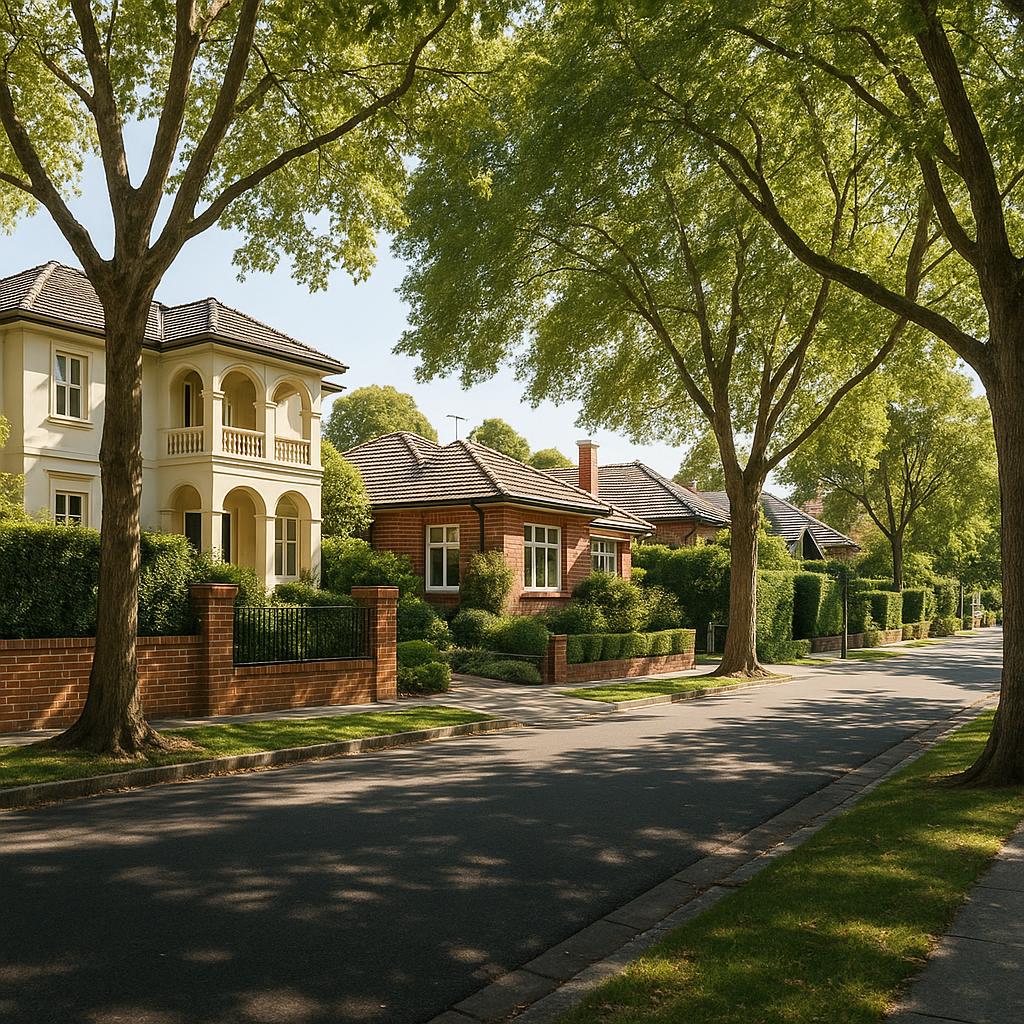
Deepdene is a tightly held, prestige inner-eastern suburb where quiet streets, limited housing supply, and established family appeal support long-term owner-occupier demand. It tends to suit buyers who value stability, school access, and a low-turnover residential feel more than high-density convenience. For investors, the key is to prioritise well-kept, broadly appealing dwellings with manageable upkeep rather than chasing short-term yield. In a small, premium suburb, the right property type and street position matter more than generic market commentary.
Key Takeaways
- Deepdene suits buyers seeking a calm, established inner-east address with strong long-term lifestyle appeal and limited turnover.
- Demand is usually shaped by scarcity, family preferences, and the quality of the home rather than large volumes of listings.
- Owner-occupiers often set the tone here, so presentation, function, and street appeal carry more weight than bargain hunting.
- Investors should focus on low-maintenance assets with broad tenant appeal, because premium suburbs reward quality and practicality.
- Verify current market conditions through live listings, recent sales, and local agent evidence before acting on any suburb impression.
Pros & Cons
Pros
- Established, prestigious residential character
- Quiet streets with strong family appeal
- Good access to nearby amenity and schooling options
Cons
- Tight supply can mean fewer choices and less negotiating power
- Premium positioning can stretch budgets quickly
- Older homes may need more ongoing maintenance and capital works
Market Overview
Deepdene is a small, established suburb in Melbourne’s inner east, and that shape matters: limited stock, low turnover, and strong owner-occupier interest tend to define how the market behaves. Buyers are often comparing it with nearby premium suburbs rather than outer suburbs, so presentation, layout, and street appeal can influence outcomes as much as broader market sentiment.
The local housing mix leans toward established homes and renovated family residences, with buyers typically paying close attention to liveability rather than just land size. In practical terms, the market tends to reward properties that feel ready for modern family life: functional floorplans, good natural light, parking, storage, and outdoor usability.
For homeowners, Deepdene’s appeal is confidence and permanence. For investors, the suburb is less about chasing standout cash flow and more about holding a quality asset in a location that has enduring owner-occupier demand. If you want current evidence, compare active listings, sold results, and days on market rather than relying on broad suburb labels.
Buyer Demand
Demand is usually strongest from families, upsizers, and downsizers who want an established address with a calm, residential feel. Prestige-minded buyers are also drawn to the suburb because it offers stability and a refined streetscape without the density of more commercial areas.
What wins attention is usually practical: well-finished renovations, flexible room use, off-street parking, and homes that feel easy to live in. Original homes can still appeal, but only when the bones, orientation, and renovation potential justify the effort and expense.
Rental Market
Deepdene’s rental appeal is generally strongest for tenants seeking a premium inner-east lifestyle with strong amenity access and a quieter day-to-day environment. Well-presented homes or low-maintenance dwellings are likely to be easier to lease and retain than properties with awkward layouts or higher maintenance needs.
Likely tenant profiles include professional couples, small families, and renters transitioning from nearby suburbs who want a more established feel. Investors should verify current asking rents, vacancy trends, and listing quality on live rental portals rather than assuming premium suburbs automatically produce premium rental outcomes.
Lifestyle, Transport & Schools
Deepdene’s lifestyle appeal comes from its low-rise, residential character and proximity to everyday convenience in surrounding areas. That combination matters because many buyers want a suburb that feels calm at home but still practical for errands, dining, and family routines.
Transport access should be assessed at a very practical level: not just whether connections exist, but whether they suit your commuting pattern. Buyers often underestimate how much a straightforward route to work, school runs, and weekend travel affects day-to-day satisfaction in a premium suburb.
School proximity is a major consideration for family buyers, and it can also support future resale demand. Even if you do not have school-age children now, buying near sought-after education options can widen the eventual buyer pool. Confirm school zones and enrolment details through official government sources, as catchments can change.
Deepdene (Vic.) Suburb Profile
Official 2021 Census snapshot for the ABS Suburbs and Localities geography.
Age profile
Housing tenure
Occupied private dwellings by tenure type.
Salary & income profile
Median total income reported in the Census.
*Annual figures are weekly median × 52 estimates, not separate ABS annual medians.
Education & qualifications
Highest educational attainment, people aged 15+.
Employment status
People aged 15+ who reported being in the labour force.
Industry of employment
Top responses among employed people aged 15 years and over.
Occupation profile
Broad occupation groups among employed residents, including managers.
Property Type Guide
- Houses: Best for families and long-term holders who value land, privacy, and future flexibility, but maintenance and renovation quality matter.
- Townhouses: A practical middle ground for buyers who want lower upkeep without sacrificing too much space or lifestyle.
- Apartments/units: Usually the simplest option for investors or smaller households, provided the building quality and owner-occupier mix are strong.
- Best fit by buyer type: Families usually favour houses, downsizers often prefer townhouses, and investors tend to prioritise easy-care dwellings with broad tenant appeal.
Risks & Watch-Outs
- Do not pay for suburb prestige alone; the property still needs strong layout, light, and liveability.
- Older homes may carry hidden costs in heating, insulation, services, and ongoing repair work.
- Small suburbs can mask street-by-street variation, so one location may perform very differently from another.
- Overcapitalised renovations can look impressive while adding less resale value than expected.
- Investors should test tenant appeal carefully, because premium locations do not guarantee strong rental performance.
Nearby Suburbs to Compare
- Ivanhoe East
- Kew East
- Caulfield North
- Hawthorn East
- Balwyn
- Surrey Hills
FAQ
Is Deepdene a good suburb for families?
Yes, especially for families who value a quiet residential setting, practical access to amenities, and a stable neighbourhood feel. The key question is whether the home itself supports your daily routine, not just whether the suburb has a strong reputation.
Is Deepdene a good suburb for investors?
It can be, but the investment case is usually about quality, scarcity, and tenant appeal rather than high cash flow. Investors should prioritise low-maintenance properties with broad appeal, then verify current rental demand and comparable listings before buying.
What property types are most worth considering?
Houses suit buyers wanting space and flexibility, townhouses suit those seeking balance, and apartments can work for investors or downsizers if the building is well maintained. In a premium suburb, the best property is the one that matches your holding horizon and use case.
What should buyers inspect most carefully?
Focus on floorplan efficiency, natural light, parking, storage, and condition of key building elements. In older homes, also check for renovation quality and long-term maintenance needs, because those costs can materially change the true value of the purchase.
How do I verify current market conditions in Deepdene?
Use live listings, recent sales, and local agent feedback rather than relying on broad suburb commentary. Because Deepdene has limited stock, a small number of listings can shift the apparent market tone quickly, so current evidence is essential.
Conclusion
Deepdene is best understood as a premium, tightly held inner-east suburb where lifestyle, stability, and scarcity shape the market more than volume or speed. Buyers should focus on functional fit and long-term liveability, while investors should aim for quality, low-maintenance assets with broad tenant appeal. In a suburb like this, the right property matters more than the average market story.
Sources & how to verify
- Check current sold and rental listings on Domain to confirm real-time price expectations, property type mix, and tenant demand.
- Review active and historical listings on realestate.com.au to compare asking prices, photography quality, and time on market signals.
- Use the Australian Bureau of Statistics to verify suburb and local-area demographic context before making assumptions about buyer profiles.
- Check planning controls and zoning references through Victoria Planning so you understand what can realistically be built, altered, or extended.
- Confirm school zones and school information via the Find My School portal, because catchments and eligibility should never be guessed.
- Cross-check local amenity and permit context on the Boroondara City Council website, especially for planning, local services, and precinct updates.
- Ask a local agent for street-by-street context, then compare that commentary against sold evidence so you are not relying on opinion alone.
- Arrange a building and pest inspection before buying, particularly for older homes, because condition issues are often the biggest hidden cost in premium suburbs.