Quick Answer
Caulfield North suits buyers who want an established inner-south Melbourne suburb with strong amenity, broad buyer appeal, and a mix of character homes and apartments. It is typically more about quality, convenience, and long-term holding confidence than bargain entry. Investors often focus on well-located, low-maintenance stock with solid tenant appeal, while homeowners value the suburb’s everyday liveability. The main decision is asset selection: in Caulfield North, the right dwelling matters as much as the postcode.
Key Takeaways
- Caulfield North appeals to families, downsizers, professionals, and investors, which helps support demand across different market phases.
- The suburb’s value comes from location, amenity, and established reputation rather than low entry prices.
- Property type matters: houses offer land and character, while apartments can provide simpler ownership and stronger rental convenience.
- Investors should inspect building quality, owners corporation health, and tenant appeal carefully before relying on suburb prestige.
- Buyers should compare nearby alternatives to confirm whether Caulfield North is the best fit for budget, lifestyle, and holding strategy.
Pros & Cons
Pros
- Strong inner-urban convenience and long-standing residential appeal.
- Broad buyer depth across owner-occupiers, downsizers, and investors.
- Good access to transport, retail, parks, and education options.
Cons
- Premium pricing expectations can make value assessment harder.
- Older homes may need renovation, maintenance, or compliance work.
- Apartment quality varies, so poor strata or layout choices can undermine the location advantage.
Market Overview
Caulfield North sits in Melbourne’s established inner-south market, where convenience, reputation, and housing scarcity tend to matter more than speculative growth stories. It is the kind of suburb buyers compare carefully with other premium-leaning locations because the appeal is steady rather than flashy.
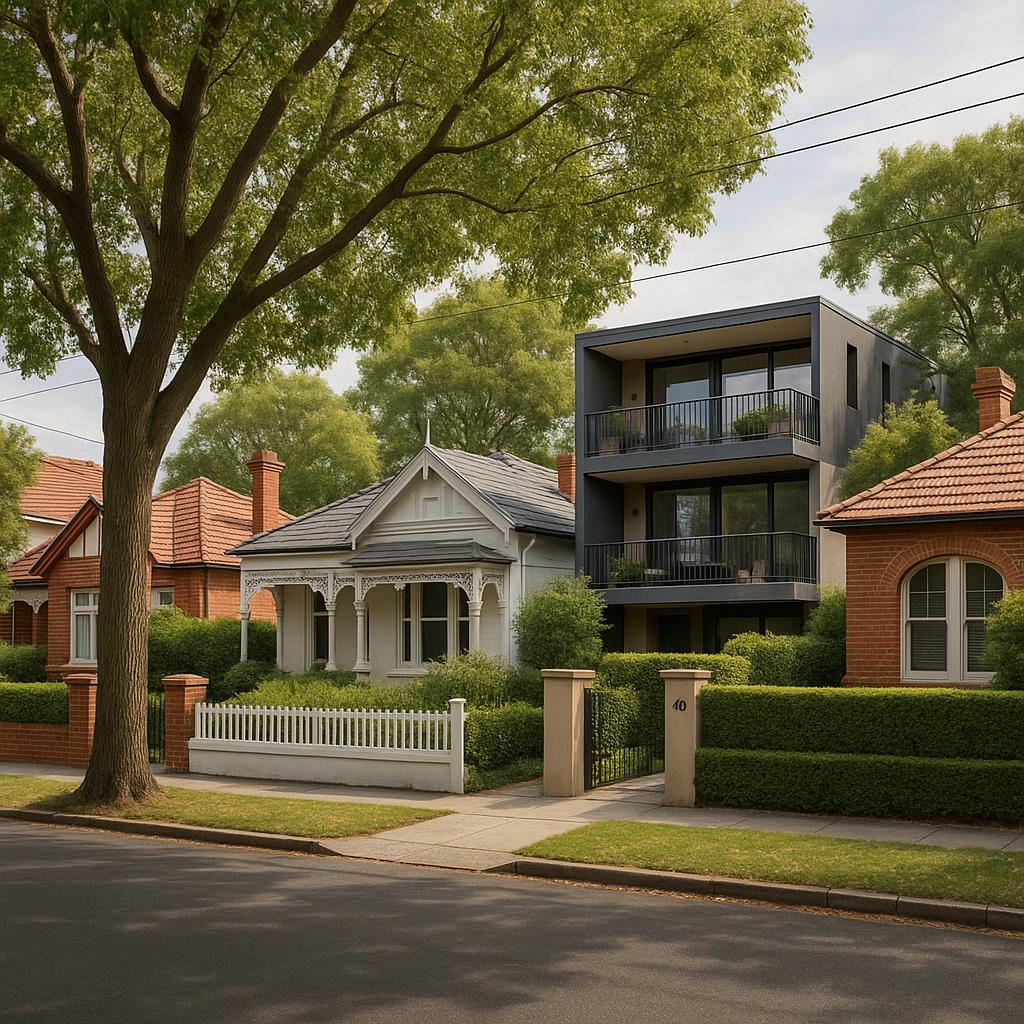
The local stock is mixed: period homes, low-rise apartments, duplex-style dwellings, and pocket-by-pocket variations in streetscape quality. That mix gives buyers options, but it also means two properties in the same suburb can deliver very different outcomes depending on land size, condition, orientation, and parking.
For investors, the important point is that Caulfield North is not a one-size-fits-all market. A well-positioned apartment may suit a rental strategy, while a character home may suit long-term owner-occupier demand. The suburb tends to reward patient, asset-level due diligence.
Buyer Demand
Demand is typically driven by a wide mix of buyers: families wanting established streets and everyday amenity, professionals seeking a practical commute, downsizers wanting lower-maintenance living, and investors chasing a suburb with broad tenant depth. That diversity can help support resale confidence.
What buyers usually pay for here is liveability: access, presentation, functional floorplans, natural light, and parking. In practical terms, a good layout in an ordinary building often outperforms a poor layout in a premium address, especially when end users are comparing similar budgets.
Rental Market
Caulfield North generally has rental appeal because it offers convenience, name recognition, and a mix of property types that suit different tenant profiles. Well-presented apartments and low-maintenance dwellings are often easier to lease than awkward, dated stock with high ongoing costs.
For investors, the key is to match the property to likely tenant demand rather than personal preference. Check current comparable rentals, lease-up speed, and local competition before buying. In premium suburbs, a sensible floorplan and strong presentation can matter more than chasing the largest possible dwelling size.
Lifestyle, Transport & Schools
The lifestyle proposition is established and practical: local retail, dining, parks, and everyday services make the suburb convenient for households that want less friction in daily routines. That matters because convenience often becomes the feature people value most after purchase.
Transport access is another major part of the suburb’s appeal. Train, tram, and road connections broaden its usefulness for commuters and school runs alike. Buyers should check the exact walk time, not just the suburb name, because convenience varies by pocket and property position.
School access is a significant reason families target the area, but buyers should verify current catchments and enrolment rules directly with official sources. In premium schooling markets, the difference between being inside or outside a zone can materially affect buyer demand and future resale flexibility.
Caulfield North Suburb Profile
Official 2021 Census snapshot for the ABS Suburbs and Localities geography.
Age profile
Housing tenure
Occupied private dwellings by tenure type.
Salary & income profile
Median total income reported in the Census.
*Annual figures are weekly median × 52 estimates, not separate ABS annual medians.
Education & qualifications
Highest educational attainment, people aged 15+.
Employment status
People aged 15+ who reported being in the labour force.
Industry of employment
Top responses among employed people aged 15 years and over.
Occupation profile
Broad occupation groups among employed residents, including managers.
Property Type Guide
- Houses: Best for buyers wanting land, character, and long-term flexibility. Expect higher maintenance and more due diligence on condition, renovations, and parking.
- Townhouses / duplex-style dwellings: Often suit buyers wanting more space than an apartment without the upkeep of a larger freestanding home.
- Apartments: A common entry point for location-focused buyers and investors. Focus on layout, natural light, storage, and owners corporation quality.
- Older stock: Can offer character and stronger streetscape appeal, but buyers should budget for updates, compliance checks, and ongoing maintenance.
- Newer or updated stock: Often easier to live in or lease, but compare finish quality carefully because not all modern product is equally functional.
Risks & Watch-Outs
- Do not pay a location premium without checking whether the specific property truly suits your needs and holding strategy.
- Older homes may carry hidden costs in plumbing, wiring, roofing, damp, or deferred maintenance.
- Apartments can look attractive on paper but underperform if the owners corporation is weak or the floorplan is impractical.
- Parking, traffic, and noise can affect liveability more than buyers expect, especially near busier roads or activity strips.
- Renovation potential should be assessed realistically; in premium suburbs, overcapitalising is still a real risk.
Nearby Suburbs to Compare
- Armadale
- Hawthorn East
- St Kilda East
- Malvern East
- Elsternwick
- Kooyong
FAQ
Is Caulfield North good for families?
Yes, if your priorities are access, established streets, and day-to-day convenience. Families tend to like the suburb’s mix of housing options and amenity, but you should still verify school zones, transport proximity, and outdoor space at the individual property level.
Is Caulfield North better for houses or apartments?
It depends on your goal. Houses usually suit long-term family living and land-led value, while apartments can suit buyers who want lower maintenance and stronger rental convenience. The best choice comes down to budget, holding period, and how much upkeep you want.
Is Caulfield North a good investment suburb?
It can be, provided you buy the right asset. The suburb has broad appeal and strong lifestyle fundamentals, but investors should be disciplined about layout, strata, condition, and comparable rents. Premium locations still need sensible purchase decisions.
What should buyers inspect most carefully?
Check parking, storage, light, noise, building condition, and the practicality of the floorplan. For apartments, review owners corporation records and levies. For houses, inspect maintenance history and renovation scope. The suburb name should never replace a proper building assessment.
How does Caulfield North compare with nearby suburbs?
Compared with nearby areas, Caulfield North often stands out for established amenity and broad appeal, but each comparison suburb may offer a different mix of housing stock, lifestyle feel, or price sensitivity. Use direct comparisons to identify the best value for your brief.
Conclusion
Caulfield North is best understood as a premium convenience suburb: attractive to homeowners who want a well-connected lifestyle and to investors who choose carefully. The strongest outcomes usually come from matching the right property type to the right purpose, then verifying the individual asset rather than relying on the postcode alone.
Sources & How to Verify
- Check current sold results and active listings on Domain so you are comparing live market evidence, not stale headline commentary.
- Review comparable sales and rental listings on realestate.com.au to confirm price, rent, and stock quality at the street and property-type level.
- Use the Australian Bureau of Statistics to understand broader demographic context, but avoid assuming suburb-wide figures describe your exact pocket.
- Confirm school zones and enrolment information with the relevant Victorian government or school website, because catchments and entry rules can change.
- Check planning controls, overlays, and renovation constraints through Victoria’s planning information before pricing in extension or redevelopment potential.
- Review local amenity, waste, permits, and community notices on the City of Glen Eira website if you want suburb-specific council guidance.
- Inspect transport access details using official public transport information so you can verify the actual walk, tram, or train convenience from the property.
- Request strata records, building reports, and recent maintenance history before buying any apartment or townhouse, because headline suburb strength cannot fix poor building governance.