Quick Answer
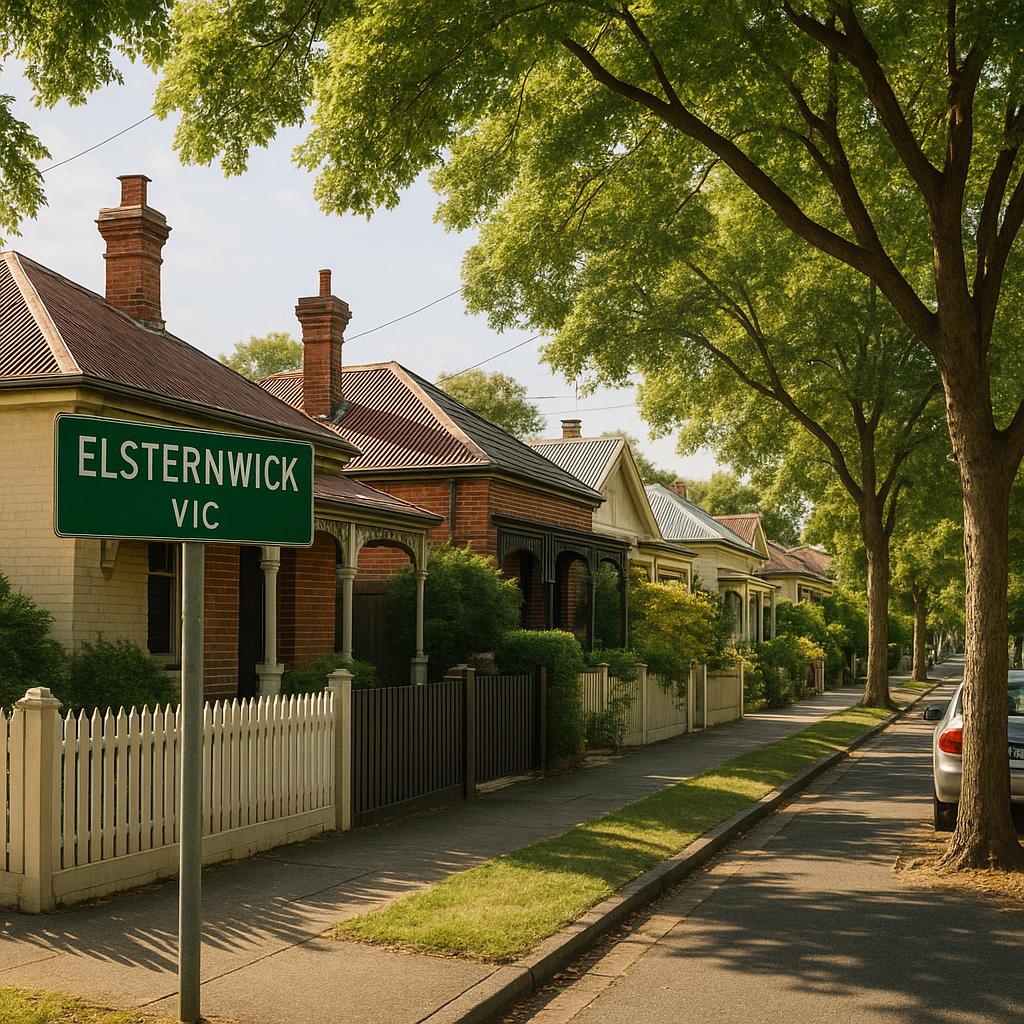
Elsternwick is a tightly held inner-south Melbourne suburb that usually suits buyers who value established character, everyday convenience, and strong lifestyle appeal over bargain pricing. For homeowners, the key is matching the property type and street setting to your daily needs; for investors, the focus should be on tenant-friendly layouts, easy upkeep, and proximity to transport and local amenity. It is often a “buy the right fit and hold” market rather than a speculative, fast-turnover play.
Key Takeaways
- Elsternwick tends to attract owner-occupiers first, so good homes can be tightly contested when they are well located and well presented.
- Character, convenience, and walkability matter more here than chasing a generic “cheap buy” strategy.
- Property type changes the outcome significantly, with apartments, period homes, and townhouses each serving different buyer goals.
- Investors should prioritise low-maintenance assets that appeal to professionals, couples, and smaller households.
- Street position, building quality, and renovation scope can matter more than the suburb name alone.
Pros & Cons
Pros
- Strong lifestyle appeal with a village-style local centre
- Broad buyer and renter appeal across multiple property types
- Established streets and mature amenity support long-term liveability
Cons
- Quality stock can attract strong competition from motivated buyers
- Older homes may need meaningful maintenance or renovation planning
- Some busy pockets can be less private or quieter than expected
Market Overview
Elsternwick is an established inner-south suburb where the market is shaped by amenity, accessibility, and housing character rather than new-estate growth. It appeals to people who want a practical daily routine: local shops, transport access, parks, and a suburb feel that still sits close to major Melbourne destinations. The market can behave differently by pocket, with quieter residential streets, busier corridor-adjacent locations, and apartment-heavy areas each attracting different buyers.
For homeowners, the main question is whether the property suits long-term living. A renovated apartment near amenity may suit a professional couple or downsizer, while a larger period home may suit a family willing to trade higher maintenance for more space and character. For investors, the suburb makes most sense when the asset has straightforward tenant appeal and does not require constant capital work.
In practical terms, Elsternwick rewards careful comparison. A property one street away can feel materially different in traffic exposure, privacy, parking, light, and walkability. Buyers who understand those micro-differences are better placed to choose a property that holds value because it genuinely fits the target owner or tenant.
Buyer Demand
Demand is typically driven by owner-occupiers, especially people who want to stay close to the city without sacrificing day-to-day convenience. Downsizers also fit naturally here because established streets, services, and low-maintenance options can reduce the need for a car-heavy lifestyle.
Competition often centres on homes and apartments that combine location with ease of use: practical floorplans, natural light, secure parking where relevant, and low ongoing upkeep. Buyers frequently compare Elsternwick with nearby inner-south suburbs before deciding whether the premium is justified for their preferred property type and street position.
Rental Market
Elsternwick generally appeals to renters who want location-led convenience rather than outer-suburban space. That usually includes professionals, couples, small households, and people seeking a shorter commute or easier access to amenities. Well-presented, well-located rentals tend to be the safest bet because they align with how tenants actually choose.
For investors, the best-performing properties are usually the ones that feel easy to live in: functional layouts, good light, sensible storage, and modest upkeep. Overcapitalising on luxury finishes can be less effective than improving liveability. If you are assessing a rental opportunity, compare likely rentability, maintenance burden, and strata exposure, not just appearance.
Lifestyle, Transport & Schools
Elsternwick’s lifestyle appeal comes from everyday convenience. The suburb works well for buyers who want errands, dining, recreation, and commuting to feel simple rather than forced. That is one reason it often retains appeal across life stages: young professionals can value the access, families can value the services, and downsizers can value the walkable routine.
Transport access is a major part of the value proposition. Good public transport broadens both buyer and renter demand and makes the suburb more resilient for car-light households. Rather than relying on assumptions, check current service patterns, station access, and walking time from the actual property you are considering.
Schools matter too, particularly for family buyers and long-term holders. School-zone boundaries and enrolment rules can influence both liveability and resale demand, so verify them directly before purchasing. Even if you do not have school-aged children, properties in areas with strong family appeal can benefit from that broader demand base.
Elsternwick Suburb Profile
Official 2021 Census snapshot for the ABS Suburbs and Localities geography.
Age profile
Housing tenure
Occupied private dwellings by tenure type.
Salary & income profile
Median total income reported in the Census.
*Annual figures are weekly median × 52 estimates, not separate ABS annual medians.
Education & qualifications
Highest educational attainment, people aged 15+.
Employment status
People aged 15+ who reported being in the labour force.
Industry of employment
Top responses among employed people aged 15 years and over.
Occupation profile
Broad occupation groups among employed residents, including managers.
Property Type Guide
- Period homes: Best for buyers who want character, land value appeal, and the option to add value over time; budget for maintenance and renovation risk.
- Apartments: Often suit investors, first-home buyers, and downsizers; assess layout quality, building condition, and strata costs carefully.
- Townhouses/newer infill: A middle ground for buyers wanting more space than an apartment and less upkeep than a full house.
- Family homes on quieter streets: Usually appeal to long-term owner-occupiers; street quality, light, and floorplan practicality matter more than styling.
- Buyer matching tip: Choose the property type that best fits your holding period, maintenance appetite, and likely exit strategy.
Risks & Watch-Outs
- Do not pay a premium for cosmetic styling without checking the property’s underlying layout, structure, and maintenance history.
- Be cautious around busier edges and understand how traffic, noise, and privacy will affect day-to-day livability.
- Older homes can carry hidden costs, so inspect for roof, moisture, wiring, plumbing, and renovation scope issues.
- Apartment buyers should review strata records, building condition, and ongoing levies before relying on the asking price alone.
- Always compare the property with similar nearby offerings so you understand whether you are buying quality, convenience, or both.
Nearby Suburbs to Compare
- Elwood
- Caulfield North
- St Kilda East
- Balaclava
- Brighton East
- Caulfield
FAQ
Is Elsternwick a good suburb for first-home buyers?
It can be, especially if you are willing to prioritise entry-level apartments or smaller homes over larger land parcels. First-home buyers should focus on practicality, transport access, and building quality rather than stretching for a premium address feature that does not suit their budget.
Is Elsternwick a good suburb for investors?
It can suit investors who want broad tenant appeal and a lower-drama ownership profile. The key is buying a property that is easy to lease and maintain, rather than chasing the most eye-catching finish or a layout that looks better online than it lives in person.
What types of homes are common in Elsternwick?
You will typically see a mix of period homes, apartments, and newer infill such as townhouses. That mix is useful for buyers because it creates different entry points, but it also means each property must be judged on its own merits, not just the suburb name.
What should buyers check before purchasing in Elsternwick?
Check the exact street, noise exposure, floorplan practicality, parking, light, and likely maintenance needs. For apartments, review strata documents; for family homes, look closely at renovation quality and long-term livability. Always verify current market evidence rather than relying on headline suburb impressions.
Is Elsternwick better for families, downsizers, or investors?
It can work for all three, but the fit depends on the property type. Families often prefer larger homes on quieter streets, downsizers like low-maintenance convenience, and investors tend to favour apartments or townhouses with strong rental usability and manageable upkeep.
Conclusion
Elsternwick is best understood as a lifestyle-led inner Melbourne market where property type and street choice drive outcomes. Buyers should think carefully about livability, maintenance, and resale fit, while investors should focus on ease of leasing and ongoing ownership costs. If you compare the right pockets and verify the details properly, the suburb can reward disciplined purchasing.
Sources & how to verify
- Check current sold results and asking prices on realestate.com.au so you are not relying on stale suburb narratives or old comparable sales.
- Review active rentals on Domain to understand what property types are actually leasing and how presentation affects demand.
- Use ABS data to confirm broad demographic and household trends before assuming a suburb’s buyer base has not changed.
- Check public transport routes and service information on Public Transport Victoria so you can verify true commute convenience from the specific address.
- Confirm zoning, overlays, and planning controls through Victoria Planning before assuming renovation or development options are straightforward.
- Verify school zones and enrolment rules through the Find My School tool rather than relying on informal advice or outdated assumptions.
- Inspect strata records, minutes, levies, and maintenance plans directly for apartments, because building quality can materially change the investment case.
- Use local agent feedback and on-the-ground inspections to test how a street feels at different times of day, especially for traffic, parking, and noise.