Quick Answer
Ivanhoe East is a leafy, established inner-north-east Melbourne suburb that suits buyers who value stability, prestige, and daily convenience more than chasing a bargain. For owner-occupiers, it offers a family-friendly, long-term lifestyle proposition with strong appeal around schools, parks, and quality homes. For investors, it is usually a lower-turnover, quality-demand market where asset selection matters more than headline yield. First-home buyers can still find opportunities, but entry is typically harder, especially for houses, so apartments, smaller homes, or renovation candidates deserve close attention.
Key Takeaways
- Ivanhoe East is best understood as a quality-and-location market, not a high-volume, speculation-driven suburb.
- Families and downsizers are drawn to the established streetscape, strong amenity, and practical day-to-day liveability.
- Investor outcomes depend more on property type, condition, and holding costs than on relying on the suburb name alone.
- Houses tend to attract the strongest competition, while units and townhouses can widen the buyer pool at the entry point.
- Micro-location matters: school access, parks, transport, and street presentation can materially change buyer interest.
Pros & Cons
Pros
- Established, premium-leaning residential feel with long-term owner-occupier appeal.
- Strong family lifestyle attributes, including greenery, amenity, and access to services.
- Quality homes in preferred pockets can hold buyer interest through different market phases.
Cons
- Entry costs can be high relative to many Melbourne suburbs, narrowing budget flexibility.
- Yield-focused investors may find the suburb less compelling than more affordable rental markets.
- Older housing stock can bring maintenance, renovation, and compliance costs.
Best fit: families, downsizers, prestige buyers, and patient long-term investors. Not ideal: bargain-seeking first-home buyers chasing the lowest entry price.
Market Overview
Ivanhoe East VIC sits in Melbourne’s inner north-east and has a well-established, leafy residential reputation. It is predominantly owner-occupier oriented, with demand shaped by lifestyle quality, school access, and a limited supply of the sort of homes many buyers want to hold for the long term.
This is usually a “quality and location” market rather than a volume market. That means buyers tend to focus on street appeal, land, layout, and renovation quality, while sellers benefit when the property sits in a preferred pocket close to amenity. The suburb’s appeal is not flashy; it is durable.
In practical terms, houses tend to attract the strongest family interest, while townhouses and apartments may suit downsizers, professionals, or first-home buyers who want the suburb without the cost of a larger landholding. For investors, the key question is whether the asset itself matches the area’s higher expectations.
Buyer Demand
Buyer demand in Ivanhoe East is usually led by families and established professionals who want a quieter, more refined residential setting. Upgraders often enter the market here when they are prioritising school routines, space, and a stronger long-term lifestyle fit.
The strongest competition is typically for well-kept homes in convenient pockets, especially if the floor plan is practical and the presentation is move-in ready. A renovated three- or four-bedroom home can appeal to multiple buyer groups at once, which tends to support resilience in resale demand.
Rental Market
The rental market is generally shaped by families between homes, professionals, and relocating households seeking comfort and convenience. In suburbs like this, tenant quality and stability can matter more than chasing the highest possible yield on paper.
Investors should assess whether the dwelling suits long-term tenants who value parking, storage, light, and a functional layout. A well-presented home close to daily amenity is more likely to lease to a reliable tenant than a cheaper property that feels compromised or dated.
Lifestyle, Transport & Schools
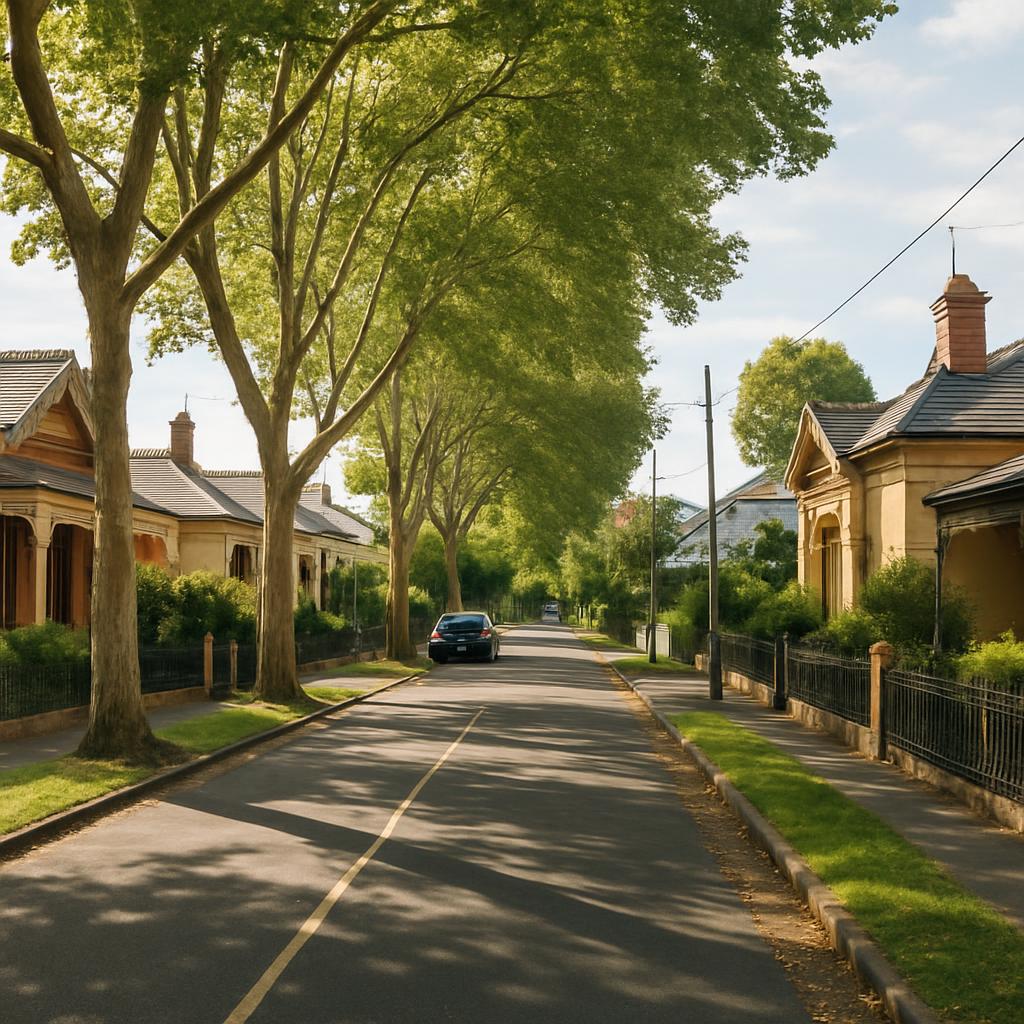
Ivanhoe East’s lifestyle appeal comes from its calm, established feel: leafy streets, family-oriented housing, and a general sense of permanence. That atmosphere matters because it supports both daily liveability and long-term buyer confidence.
Transport access is practical, but buyers should verify their exact commute rather than assuming suburb-wide convenience. If you travel to the city or other employment hubs, check route quality, peak-hour conditions, and parking realities at the actual property.
School access is a major driver of demand in suburbs like this, even without discussing rankings. Families often stretch budgets when the schooling environment, open space, and overall routine become easier to manage. That is part of why the suburb keeps attracting end users.
Ivanhoe East Suburb Profile
Official 2021 Census snapshot for the ABS Suburbs and Localities geography.
Age profile
Housing tenure
Occupied private dwellings by tenure type.
Salary & income profile
Median total income reported in the Census.
*Annual figures are weekly median × 52 estimates, not separate ABS annual medians.
Education & qualifications
Highest educational attainment, people aged 15+.
Employment status
People aged 15+ who reported being in the labour force.
Industry of employment
Top responses among employed people aged 15 years and over.
Occupation profile
Broad occupation groups among employed residents, including managers.
Property Type Guide
- Houses: usually the most sought after because land, space, and family functionality are highly valued here.
- Townhouses: can suit downsizers and busy professionals who want lower maintenance without leaving the suburb.
- Units/apartments: often provide a more accessible entry point, but layout, strata, and parking need careful checking.
- Renovation candidates: can work well if the street is strong and the underlying land value is sound.
- Updated stock: can reduce maintenance stress and improve leasing appeal for investors and owner-occupiers alike.
As a rule, land, floor plan, light, and parking should outrank cosmetic styling. In a premium-leaning suburb, buyers pay for confidence in the asset, not just a polished finish.
Risks & Watch-Outs
- High entry prices can leave little room for error if you buy emotionally or stretch beyond your comfort zone.
- Older homes may hide repair, maintenance, or update costs that are not obvious at first inspection.
- A strong suburb reputation does not guarantee a strong purchase if the floor plan or street position is weak.
- Unit buyers should review strata levies, building condition, and the long-term appeal of the layout carefully.
- Investor buyers should stress-test holding costs against realistic rent and vacancy expectations, not optimistic assumptions.
Due diligence matters more here than in lower-cost markets because the wrong choice can be expensive to correct. Compare like-for-like sales, inspect at different times of day, and verify planning, title, and building issues before committing.
Nearby Suburbs to Compare
- Ivanhoe
- Alphington
- Fairfield
- Kew East
- Eaglemont
FAQ
Is Ivanhoe East a good suburb for families?
Yes. The suburb’s established streets, calmer residential feel, and access to everyday amenity make it a strong family option. Buyers often choose it for lifestyle consistency, practical routines, and the kind of environment that supports long-term living rather than short-term convenience only.
Is Ivanhoe East a good suburb for property investors?
It can be, but the strategy needs to be selective. This is more of a quality-demand market than a high-yield market, so investors should focus on tenant appeal, maintenance risk, and resale strength rather than expecting standout income returns.
What property types are most popular in Ivanhoe East?
Houses usually attract the most interest because they suit family buyers and long-term owner-occupiers. Townhouses and units can still perform well, particularly for downsizers and entry-level buyers, but the best asset will depend on layout, location, and condition.
Is Ivanhoe East better for houses or units?
For capital appeal and broad buyer demand, houses generally have the edge. Units can be useful for affordability and lower-maintenance living, but buyers need to assess strata costs, building quality, and future resale appeal with more care.
What should buyers check before purchasing in Ivanhoe East?
Check the exact street, parking, school access, commute route, building condition, and any planning or title issues. In an established suburb, two similar-looking properties can perform very differently once you factor in micro-location and upkeep demands.
Conclusion
Ivanhoe East suits buyers who want a stable, leafy, premium-leaning suburb with strong long-term livability. It is especially compelling for families and patient investors who value quality over shortcuts. The best outcomes usually come from buying the right property in the right pocket, then verifying the asset carefully rather than relying on suburb reputation alone.
Sources & How to Verify
- Check current sold results and active listings on Domain so you can compare real property types, condition, and asking prices before forming a view.
- Review recent comparable sales on realestate.com.au to see how houses, units, and renovated homes are being positioned in the suburb.
- Use the Australian Bureau of Statistics to understand the broader area context, while remembering that suburb character and streets still vary.
- Confirm zoning and planning controls through Victorian Planning before assuming a site can be extended, rebuilt, or redeveloped.
- Verify school zones and enrolment details directly through Find My School, because boundaries and intake arrangements can change.
- Check local transport routes and service patterns on Public Transport Victoria so your commute assumptions match the actual timetable and stop access.
- Inspect council information on Banyule City Council for local planning, amenity, and community infrastructure updates that may affect buyer appeal.
- For a rental view, compare current listings and features on Domain Rent so you can test whether your expected rent matches real tenant demand.