Quick Answer
Hawthorn East VIC is an inner-east Melbourne suburb that tends to suit buyers and investors who want established amenity, broad property choice, and long-term location appeal rather than speculative growth chasing. It often works best for owner-occupiers wanting a practical lifestyle base, and for investors seeking tenant depth from professionals, couples, and smaller households. The main decision is not whether the suburb is good, but which pocket and property type deliver the best mix of liveability, cost control, and resale strength.
Key Takeaways
- Hawthorn East typically attracts buyers who value inner-east convenience, established streets, and a broad mix of housing options.
- Property quality matters more than postcode alone, especially for apartments, townhouse stock, and older homes needing upgrades.
- Investors should assess tenant appeal, body corporate costs, and ongoing maintenance before relying on headline suburb reputation.
- Owner-occupiers often favour the suburb for lifestyle convenience, transport access, and access to daily amenities.
- Street position, noise exposure, and building management can materially change liveability and resale outcomes in this suburb.
Pros & Cons
Pros
- Strong inner-east lifestyle appeal with established amenity.
- Good mix of period homes, townhouses, and apartments.
- Broad appeal to both owner-occupiers and renters.
Cons
- Entry costs can be demanding for many buyers.
- Some pockets face traffic, parking, or school-run pressure.
- Apartment ownership can involve strata costs and building-specific risks.
Market Overview
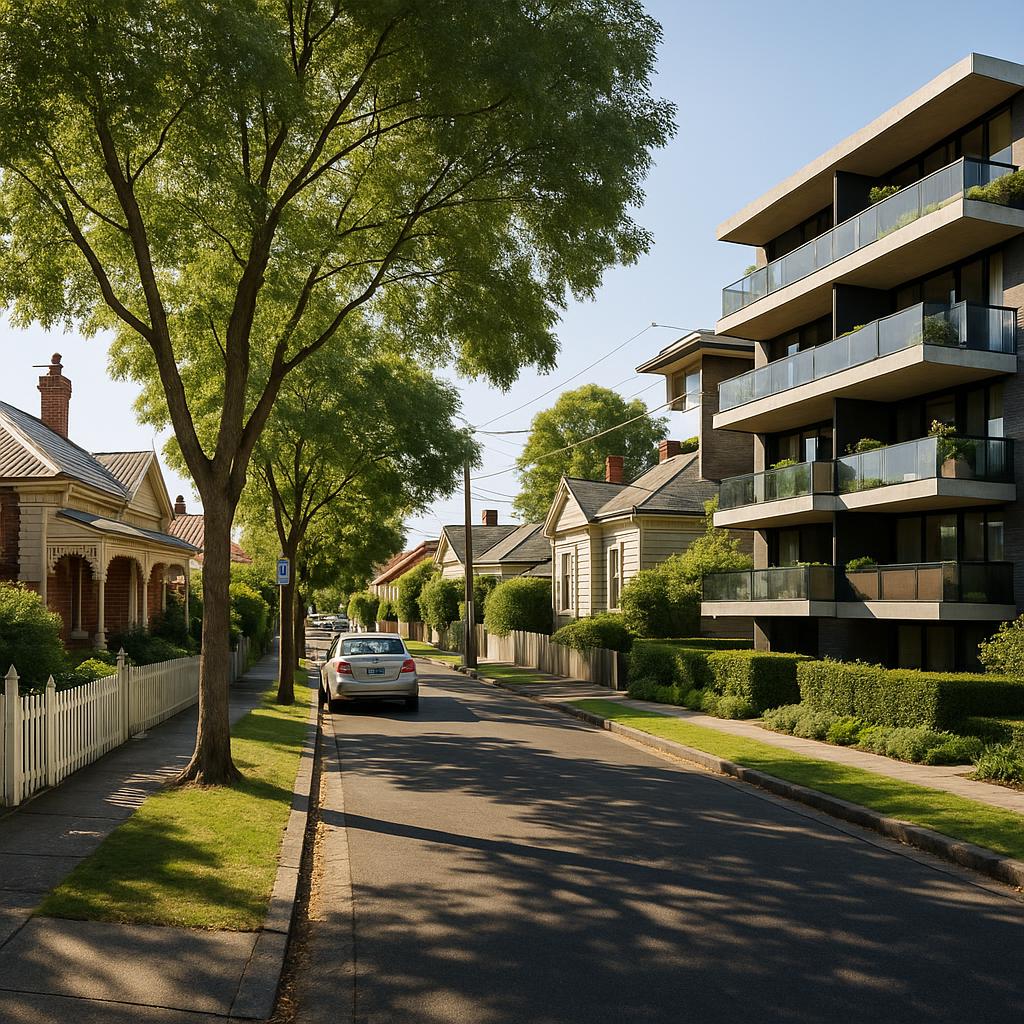
Hawthorn East sits in Melbourne’s inner east and is generally viewed as a premium established suburb with a mix of character homes, townhouses, and apartment stock. That mix matters: the suburb can feel quite different depending on whether you are comparing a renovated family home, a small block apartment, or a low-maintenance townhouse near key amenity.
The market here is usually driven more by scarcity, liveability, and property quality than by large-scale new land supply. Buyers often pay for convenience, streetscape, and enduring address appeal, so like-for-like comparison is essential. A well-kept apartment in a smaller block may outperform a larger but less coherent development, while older homes can reward buyers who are willing to renovate thoughtfully.
For investors and homeowners, the key question is whether the property has lasting desirability beyond the current cycle. In a mature suburb like this, the best outcomes usually come from buying an asset that is easy to live in, easy to lease, and still attractive when market conditions change.
Buyer Demand
Buyer demand in Hawthorn East is typically supported by a mix of owner-occupiers, professionals, downsizers, and investors. That diversity helps market depth, because the suburb can appeal to people at different life stages who still want inner-east access, convenience, and a stable residential feel.
Demand is usually strongest for properties that reduce daily friction: efficient layouts, secure parking, sensible access to transport, and low ongoing maintenance. Buyers often compare not just the suburb, but the specific street, building quality, and how the home handles noise, light, and privacy.
Rental Market
The rental pool commonly includes professionals, couples, small households, and tenants who value access to the CBD and nearby employment areas. For landlords, that means the most resilient rentals are usually the ones that are easy to maintain, well located, and presented cleanly from day one.
Apartments and townhouses with practical floorplans, good storage, and parking tend to be easier to lease than awkward layouts or poorly maintained stock. Investors should pay close attention to body corporate settings, special levies, and building condition, because those costs can erode the apparent advantage of a higher rent.
Lifestyle, Transport & Schools
Hawthorn East offers an inner-east lifestyle that balances residential streets with strong day-to-day convenience. That is a major reason families and professionals consider it: many buyers want a suburb where commuting, errands, and weekend routines are simpler, not just a location with a strong postcode.
Transport access is a key part of the value proposition, but it is not identical across the suburb. Some streets feel quiet and settled, while others carry more traffic or parking pressure. For commuters, that means testing the actual route and not assuming every address offers the same experience. School access is also a common consideration, but zoning and enrolment eligibility must be checked directly with current official boundaries.
From a homeowner perspective, the main lifestyle test is whether the suburb works on ordinary weekdays. From an investor perspective, the same factors shape tenant retention: people stay longer when commuting, parking, and local amenity are all manageable.
Hawthorn East Suburb Profile
Official 2021 Census snapshot for the ABS Suburbs and Localities geography.
Age profile
Housing tenure
Occupied private dwellings by tenure type.
Salary & income profile
Median total income reported in the Census.
*Annual figures are weekly median × 52 estimates, not separate ABS annual medians.
Education & qualifications
Highest educational attainment, people aged 15+.
Employment status
People aged 15+ who reported being in the labour force.
Industry of employment
Top responses among employed people aged 15 years and over.
Occupation profile
Broad occupation groups among employed residents, including managers.
Property Type Guide
- Period homes: Often suit buyers seeking character, land value, and renovation upside. Watch heritage controls, maintenance demands, and the real cost of bringing older fabric up to standard.
- Townhouses: Often appeal to families and downsizers who want space without the upkeep of a detached home. Check privacy, storage, outdoor usability, and strata or shared-wall implications.
- Apartments: Often suit first-home buyers, investors, and downsizers prioritising location and lower maintenance. Focus on building quality, sound insulation, car parking, and levies.
- What matters most: Layout efficiency, natural light, orientation, storage, and how easily the property will appeal to the next buyer or tenant.
Risks & Watch-Outs
- Established inner-east suburbs can stretch budgets, so buyers need a margin for maintenance, ownership costs, and future interest-rate or income pressure.
- Apartment purchases can be undermined by poor strata management, higher-than-expected levies, or hidden building repair needs.
- Some pockets face noise, congestion, parking pressure, or school traffic that materially affects day-to-day liveability.
- Older homes may look attractive but still require significant spend on plumbing, wiring, moisture issues, or structural work.
- Cosmetic presentation can hide a weak floorplan, poor aspect, or long-term resale limitations.
Nearby Suburbs to Compare
- Hawthorn VIC Property Market Guide: Buyers & Investors
- Camberwell VIC Property Market Guide: Buyers & Investors
- Glen Iris VIC Property Market Guide: Buyers & Investors
- Kew VIC Property Market Guide: Buyers & Investors
FAQ
Is Hawthorn East good for investors?
It can be, provided you focus on asset quality rather than assuming the suburb alone guarantees performance. Investors usually benefit most from properties with broad tenant appeal, manageable ongoing costs, and strong resale depth. A well-located apartment or townhouse can be more practical than a higher-priced asset with hidden maintenance risk.
Is Hawthorn East good for families?
Yes, for families who value inner-east convenience, access to schooling options, and a neighbourhood feel close to major amenities. The trade-off is that family buyers need to check space, parking, noise, and daily usability carefully, because not every pocket or property type suits the same routine.
Are apartments a good option in Hawthorn East?
They can be, especially for buyers wanting location access without the maintenance load of a house. The main checks are building quality, sound insulation, strata health, car parking, and the usability of the floorplan. A well-managed smaller block often deserves stronger attention than a large complex with weak upkeep.
What should buyers look out for first?
Start with the immediate street, then examine the property type, construction quality, and likely ongoing costs. In this suburb, the biggest mistakes often come from ignoring noise, parking, body corporate documents, or renovation scope. Inspect at different times of day so you can judge the practical experience, not just the presentation.
Which is better: house, townhouse, or apartment?
It depends on your goal. Houses usually suit buyers who want land content and renovation potential. Townhouses can offer a strong balance of space and lower maintenance. Apartments are often the most affordable entry point, but they demand careful attention to building quality and ongoing levies.
Conclusion
Hawthorn East is best approached as a quality-driven inner-east market where the right property matters more than the suburb label alone. Buyers and investors who inspect carefully, compare like for like, and respect ongoing ownership costs are more likely to make a sound decision. If the home suits your lifestyle, tenant profile, and long-term budget, the suburb can be a strong fit.
Sources & how to verify
- Check current listings and recent comparable sales on Domain so you are not relying on outdated price expectations or generic suburb commentary.
- Review active rentals and leasing trends on realestate.com.au to understand what property types are actually being advertised and how quickly they are moving.
- Use the Australian Bureau of Statistics to confirm demographic and household structure data before making assumptions about who lives in the suburb.
- Check school zones and enrolment details through Find My School because catchments can change and should never be assumed from reputation alone.
- Review planning controls and local policy on the Boroondara City Council website to understand heritage overlays, renovation constraints, and development settings.
- Confirm train, tram, and bus details through Public Transport Victoria so you can verify actual travel options and service patterns.
- Obtain a building and pest inspection for houses and older apartments, then compare the report against the strata records or maintenance history before committing to purchase.
- For apartments and townhouses, request the body corporate documents and minutes so you can identify levies, disputes, maintenance plans, and any special funding requirements early.