Quick Answer
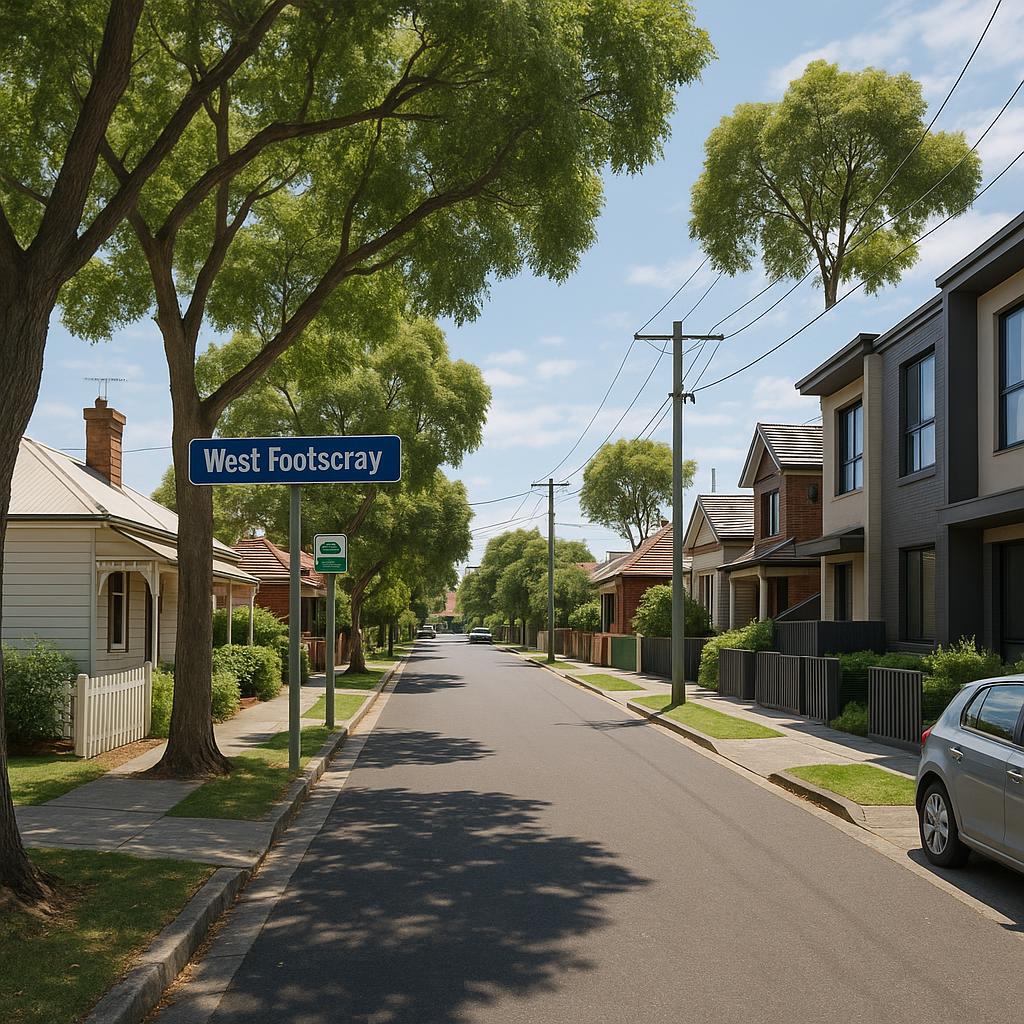
West Footscray is a practical inner-west Melbourne suburb that can suit buyers and investors who want location, transport access, and relative value without moving far from the CBD. It is not a one-size-fits-all market: the best outcomes usually come from choosing the right street, dwelling type, and level of renovation risk. For many buyers, the appeal is a balance of convenience, established housing, and a more accessible entry point than some premium inner-west neighbours.
Key Takeaways
- West Footscray often appeals to buyers seeking inner-west convenience with a more approachable purchase profile than premium nearby suburbs.
- The suburb has broad appeal because it attracts first-home buyers, investors, upsizers, and renovators with different budget and lifestyle goals.
- Property performance here is highly micro-location driven, so street context matters as much as the suburb name itself.
- Established homes can offer renovation upside, while townhouses and units may better suit low-maintenance buyers or tenants.
- Local demand is strongest where transport access, liveability, and resale appeal line up in the same property.
Pros & Cons
Pros
- venient inner-west location with strong commuter appeal.
- Broad buyer and renter interest across multiple property types.
- Potential upside in well-located older homes and carefully chosen infill stock.
Cons
- Some pockets face traffic, rail, or mixed-use amenity impacts.
- Older housing can bring maintenance and compliance costs.
- Not every property benefits equally from suburb-wide demand.
Market Overview
West Footscray sits in Melbourne’s inner west and is often viewed as a practical, evolving suburb rather than a polished prestige market. That positioning matters: it offers access to the city and nearby employment areas, while still giving buyers a wider spread of property types and price points than many closer-in suburbs. The market is best understood street by street, not as a single uniform profile.
The suburb typically attracts a mix of owner-occupiers and investors who value convenience and see upside in established housing. Older detached homes, renovated dwellings, units, villas, and newer townhouse stock can all play different roles in the market. This means a buyer comparing two West Footscray properties may actually be comparing two different markets.
For decision-making, the key question is whether the property offers enough liveability, transport access, and future resale depth to justify its location and condition. A neatly updated home on a quieter street can appeal very differently to a dated unit on a busier corridor. In this suburb, the best value usually comes from disciplined property selection, not broad assumptions.
Buyer Demand
Demand tends to come from first-home buyers wanting an inner-west foothold, investors looking for dependable rental appeal, and upsizers who want more practicality without giving up commuter convenience. Renovators also remain relevant because the suburb still includes older homes with improvement potential.
Buyer behaviour is often driven by trade-offs. A move-in-ready townhouse may attract strong competition from buyers prioritising low maintenance, while a freestanding home with renovation scope can draw people focused on land value and long-term flexibility. In both cases, street appeal and surrounding housing quality materially influence buyer interest.
Rental Market
West Footscray’s rental market is supported by location, transport access, and the variety of homes available. It can suit professionals, couples, sharers, and small families who want convenience without committing to a higher-cost inner-city address. Low-maintenance properties close to daily amenity generally have the broadest leasing appeal.
For investors, the rental strategy should focus on presentation, functionality, and ease of upkeep. Well-kept dwellings that feel light, practical, and easy to maintain are usually easier to lease than larger but dated properties. Older homes can still perform well, but only if the condition, layout, and location align with tenant expectations.
Lifestyle, Transport & Schools
West Footscray offers the kind of everyday convenience many inner-west buyers want: local shops, multicultural food options, parks, and a community feel that is more residential than high-density in many pockets. That lifestyle mix helps explain why the suburb appeals to both owner-occupiers and longer-term renters.
Transport is a major part of the suburb’s value proposition. Access to train services and road connections makes commuting more manageable, which matters for both lifestyle buyers and investors. For buyers, transport convenience can directly affect resale depth, especially when comparing otherwise similar properties.
Families also tend to weigh school access as part of broader liveability, even when they are not buying for a specific school zone. Because school preferences and transport links can shift demand between streets, it is sensible to verify current options using official sources rather than relying on hearsay.
West Footscray Suburb Profile
Official 2021 Census snapshot for the ABS Suburbs and Localities geography.
Age profile
Housing tenure
Occupied private dwellings by tenure type.
Salary & income profile
Median total income reported in the Census.
*Annual figures are weekly median × 52 estimates, not separate ABS annual medians.
Education & qualifications
Highest educational attainment, people aged 15+.
Employment status
People aged 15+ who reported being in the labour force.
Industry of employment
Top responses among employed people aged 15 years and over.
Occupation profile
Broad occupation groups among employed residents, including managers.
Property Type Guide
- Detached houses: Usually the strongest option for land value, renovation potential, and long-term flexibility, especially where the street is quiet and established.
- Townhouses: Often suit buyers seeking a lower-maintenance lifestyle and investors who want simpler management near transport and services.
- Units and apartments: Can provide an accessible entry point, though capital growth dynamics may differ from freestanding homes and land-backed properties.
- Older original homes: Attractive to renovators, but buyers should budget carefully for repairs, layout limitations, and potential compliance work.
- Newer infill stock: May appeal to lifestyle-focused buyers wanting modern convenience, but design quality and land component still matter.
Risks & Watch-Outs
- Noise, traffic, or rail proximity can materially affect liveability and future buyer depth.
- Older homes may require more maintenance than buyers expect, especially if deferred works are visible.
- Renovation enthusiasm can lead to overcapitalisation if comparable sales do not support the spend.
- Some streets may have weaker residential appeal because of surrounding activity, access patterns, or mixed-use edges.
- Newer developments can be convenient, but the long-term growth story often depends on design quality and the local apartment or townhouse supply.
Nearby Suburbs to Compare
- Maidstone VIC Property Market Guide: Buyers & Investors
- Seddon VIC Property Market Guide: Buyers & Investors
- Tottenham VIC Property Market Guide: Buyers & Investors
- Kingsville VIC Property Market Guide: Buyers & Investors
- Footscray VIC Property Market Guide: Buyers & Investors
FAQ
Is West Footscray good for first-home buyers?
It can be, especially for buyers who want inner-west access without chasing the most expensive nearby suburbs. The key is to compare dwelling type, street quality, and maintenance risk. First-home buyers should prioritise liveability and resale depth over simply buying the cheapest listing.
Is West Footscray a good suburb for investors?
Yes, if the property matches tenant demand and is easy to maintain. Investors generally do better with homes that are close to transport, practical to lease, and not overly compromised by noise or poor surrounding amenity. The best results come from sensible acquisition and solid presentation.
What type of property performs best in West Footscray?
There is no single winner, but detached houses on good streets often hold strong long-term appeal because they offer land value and flexibility. Townhouses can work well for low-maintenance buyers, while units may suit entry-level purchasers or yield-focused investors. Match the asset to the strategy.
Is West Footscray better for lifestyle or investment?
It can support both, but the answer depends on the exact property. Lifestyle buyers usually value quieter streets, functional homes, and access to local amenity. Investors tend to focus on tenant demand, maintenance simplicity, and location efficiency. Some properties suit both; others clearly suit one more than the other.
What should buyers inspect before purchasing?
Check the street at different times of day, the level of traffic or rail exposure, the condition of the building, and the surrounding housing stock. Also verify transport, school, and planning information directly with current sources. In this suburb, micro-location can change the buying case materially.
Conclusion
West Footscray offers a credible inner-west opportunity for buyers who value convenience, housing choice, and relative affordability compared with some neighbouring suburbs. The strongest outcomes usually come from selecting the right dwelling type in the right pocket, then checking liveability, maintenance, and resale depth with care. Treat it as a suburb where precision matters more than averages.
Sources & How to Verify
- Check recent comparable sales and current listings on Domain so you are not relying on outdated asking prices or generic suburb commentary.
- Review sold evidence and rental listings on realestate.com.au to compare dwelling type, street presentation, and market response.
- Use the Australian Bureau of Statistics to verify census-based demographic context rather than assuming the suburb profile has not changed.
- Confirm planning controls, overlays, and zoning with Planning Victoria before making renovation or redevelopment assumptions.
- Check local services, community information, and planning updates through the City of Maribyrnong website to understand nearby works and local priorities.
- Verify train and bus service details using Public Transport Victoria so commuting assumptions reflect current timetables and network changes.
- Confirm school catchments and enrolment details directly via Find My School, because school zones and eligibility can change over time.
- If you are comparing rentability, inspect active rental listings and vacancy cues on the major portals, then cross-check with a local agent for street-level context.