Quick Answer
Clifton Hill is a tightly held inner-north Melbourne suburb with strong owner-occupier appeal, consistent buyer demand, and rental interest driven by location, lifestyle, and transport access. It suits buyers who value character, convenience, and long-term desirability more than bargain entry prices. Investors should expect a quality tenant market rather than standout cash flow. If you want scarcity, established amenity, and a suburb that feels easy to live in, Clifton Hill deserves serious consideration.
Key Takeaways
- Clifton Hill is an inner-city, lifestyle-led suburb where location and housing character often matter more than sheer size.
- Buyer competition can be firm for well-presented homes, especially those that are renovated and close to transport or parks.
- Investors are generally buying for tenant quality, resilience, and long-term hold potential rather than chasing high yields.
- Period homes can be highly desirable, but older fabric and planning controls may add inspection and renovation complexity.
- The suburb suits buyers who want walkability, amenity, and a village feel without moving far from central Melbourne.
Pros & Cons
Pros
- Highly desirable inner-north location with enduring lifestyle appeal.
- Broad demand from owner-occupiers, downsizers, and quality tenants.
- Strong access to established amenity, transport, and nearby employment hubs.
Cons
- Competitive buying conditions can reduce room to negotiate.
- Premium entry costs may challenge first-home buyers and cash-flow-focused investors.
- Older homes and apartments can involve heritage, strata, or maintenance issues.
Market Overview
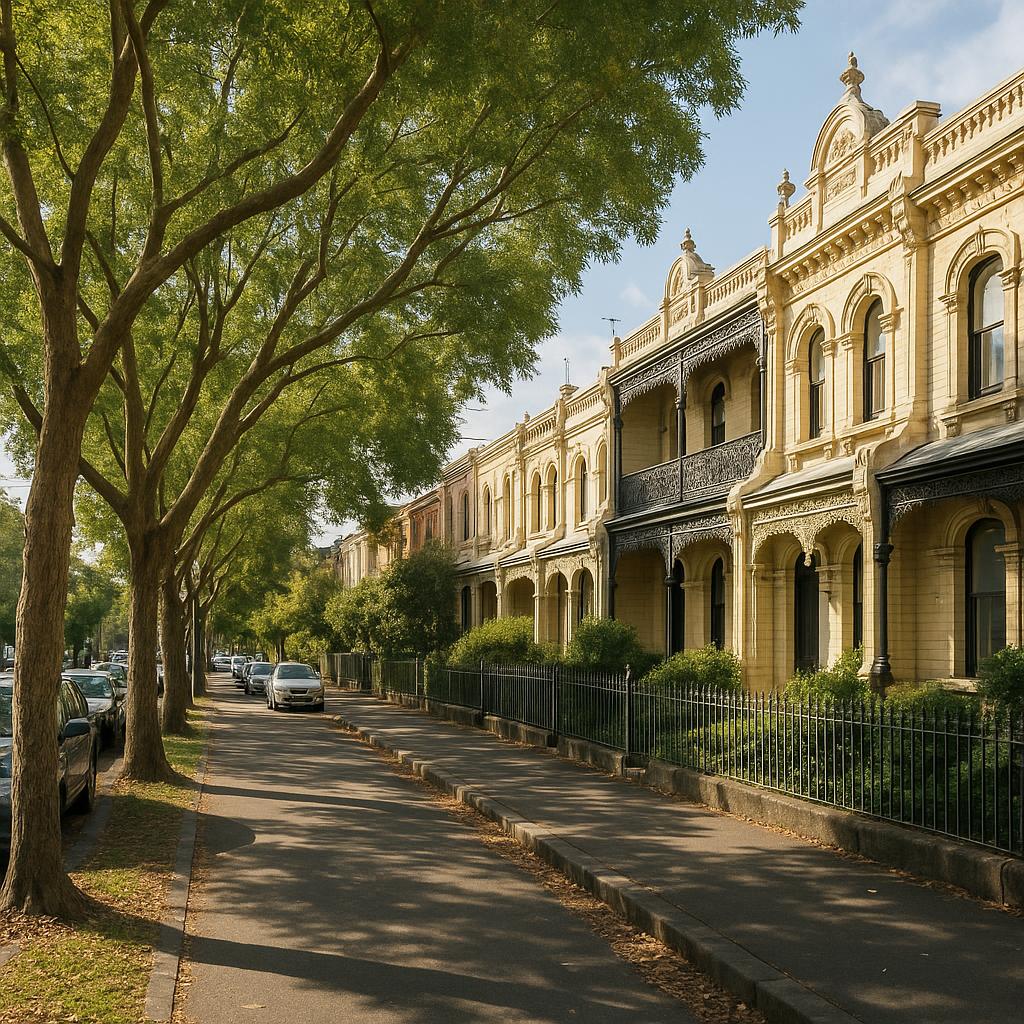
Clifton Hill is an established inner-north Melbourne suburb with a distinctly residential, urban-village feel. The housing mix typically includes period homes, apartments, and selective infill, which gives buyers several entry points but also creates a clear quality divide between tightly held, character-rich properties and more standardised stock.
The market is shaped less by new supply and more by scarcity, location, and liveability. Buyers often compare Clifton Hill with nearby inner-north suburbs and decide they value its calmer streets, established feel, and convenience. In practice, the best-located homes tend to draw the most attention, particularly when they are well renovated and presented.
For homeowners, that means the suburb can reward patience and careful selection. For investors, it means the asset thesis is usually about durable demand, tenant quality, and lower vacancy stress rather than bargain acquisition or rapid redevelopment upside.
Buyer Demand
Demand in Clifton Hill is usually strongest from owner-occupiers seeking a long-term home base, especially professional couples, young families, and downsizers who want inner-city access without living in the busiest parts of the CBD fringe. The suburb also attracts buyers who prefer character streetscapes and a less transient feel.
Competition tends to intensify around homes that are move-in ready, well positioned, and easy to maintain. Apartments can appeal to buyers prioritising location and simplicity, while period homes often attract emotionally motivated purchasers who are willing to pay for charm, space, and lifestyle fit.
Rental Market
Clifton Hill typically appeals to tenants who want convenience, amenity, and a reputable inner-city address. Common tenant profiles include professionals, couples, small families, and long-term renters who prefer established neighbourhoods over high-rise living. That broadens the leasing pool, especially for well-located apartments and low-maintenance homes.
For investors, the main value is often stability rather than top-end rent. Properties that are presented well, function efficiently, and minimise maintenance surprises generally lease more smoothly. In this type of suburb, the quality of the dwelling and the quality of the building can matter as much as the postcode itself.
Lifestyle, Transport & Schools
Clifton Hill offers a classic inner-north lifestyle: walkable streets, nearby parks, cafe culture, and a strong sense of residential identity. It suits buyers who want daily convenience and a more urban life without sacrificing a quieter neighbourhood feel. That combination is a major reason the suburb remains consistently attractive.
Transport access is a practical strength, with connectivity into the broader Melbourne network supporting commuters and city workers. Families also consider local and nearby school options, along with early-learning access and walkability, when deciding whether the suburb suits their long-term routine. Buyers should verify current school zones directly, as catchments and intake arrangements can change.
For many households, Clifton Hill works because it reduces weekday friction. A shorter commute, easier access to amenities, and a settled streetscape can improve liveability in a way that is hard to quantify but very real in day-to-day ownership.
Clifton Hill Suburb Profile
Official 2021 Census snapshot for the ABS Suburbs and Localities geography.
Age profile
Housing tenure
Occupied private dwellings by tenure type.
Salary & income profile
Median total income reported in the Census.
*Annual figures are weekly median × 52 estimates, not separate ABS annual medians.
Education & qualifications
Highest educational attainment, people aged 15+.
Employment status
People aged 15+ who reported being in the labour force.
Industry of employment
Top responses among employed people aged 15 years and over.
Occupation profile
Broad occupation groups among employed residents, including managers.
Property Type Guide
- Period homes: Best for buyers seeking character and long-term liveability; inspect for renovation quality, structural condition, and any heritage constraints.
- Apartments: Often the simplest entry point; check strata costs, building quality, noise, natural light, and the owner-occupier versus investor mix.
- Townhouses and boutique builds: Offer a balance of modern convenience and inner-suburb access; assess privacy, parking, outdoor usability, and construction quality.
- Renovated stock: Attractive to busy buyers and tenants, but confirm the renovation is more than cosmetic and that key services have been properly updated.
Risks & Watch-Outs
- Premium pricing can push buyers into a tighter borrowing position than they initially planned.
- Older homes may look charming but still require costly remediation, upgrades, or compliance work.
- Heritage or planning controls can limit redesign options and affect renovation timelines.
- Apartment buyers should not overlook strata health, ongoing levies, or building defects.
- Investors should avoid paying for lifestyle appeal alone without checking the asset’s practical leasing and maintenance profile.
Nearby Suburbs to Compare
If you are weighing Clifton Hill against nearby options, compare it with Carlton North VIC Property Market Guide: Buyers & Investors, Princes Hill VIC Property Market Guide: Buyers & Investors, Collingwood North VIC Property Market Guide: Buyers & Investors, Parkville VIC Property Market Guide: Buyers & Investors, and North Melbourne VIC Property Market Guide: Buyers & Investors.
FAQ
Is Clifton Hill good for first-home buyers?
It can be, if you are realistic about budget and property type. Apartments or smaller dwellings are usually the most accessible entry options, while houses may require more capital and a stronger willingness to compete for quality stock.
Is Clifton Hill a good suburb for investors?
Yes, for long-term investors who prioritise tenant quality, suburb resilience, and lower vacancy risk. It is generally better suited to a stable hold strategy than to chasing maximum yield or short-term speculative upside.
What type of property is most common in Clifton Hill?
The suburb typically features a mix of period homes, apartments, and boutique developments. The exact mix varies by street and pocket, so buyers should compare dwellings carefully rather than assuming all Clifton Hill stock behaves the same.
Is Clifton Hill family-friendly?
Yes. Families are often drawn to the suburb’s parks, established streets, transport access, and broader inner-north amenity. The best fit is usually for households that value convenience, walkability, and a compact, well-connected lifestyle.
What should buyers check before purchasing here?
Check building condition, renovation scope, heritage or planning limitations, strata details where relevant, and nearby amenity. Families should also verify school zones and transport access using current official sources before making a purchase decision.
Conclusion
Clifton Hill suits buyers and investors who value inner-city convenience, lifestyle quality, and long-term desirability over bargain entry prices. It is strongest as a scarcity-led, quality-demand suburb where the right property type matters. If you buy with discipline and verify the details properly, Clifton Hill can be a very durable place to own.
Sources & How to Verify
- Check current sold prices and active listings on Domain to see how Clifton Hill stock is actually being priced and presented right now.
- Review comparable sales and rent listings on realestate.com.au so you can compare property type, condition, and location rather than relying on suburb averages alone.
- Use ABS data to understand broader demographic context, but always pair it with current listing and sales evidence before making investment assumptions.
- Confirm planning and permit considerations through the Yarra City Council website, especially if you are buying an older home or planning renovations.
- Verify train, tram, and broader public transport access through Public Transport Victoria so your commute assumptions reflect current service patterns and stop locations.
- Check school zones and enrolment boundaries on the Find My School tool before treating any school as within reach or in catchment.
- Inspect heritage overlays and property controls using VicPlan if the home is older, character-filled, or likely to be altered in future.