Quick Answer
Collingwood North VIC suits buyers who want inner-Melbourne convenience, character, and a compact urban lifestyle rather than a large-lot family setting. It can work well for owner-occupiers who value walkability and for investors targeting location-led tenant demand. The key is to buy the right property type in the right street: apartments, terraces, and older homes all behave differently here. In this suburb, due diligence on building quality, noise, parking, and ownership structure matters just as much as the postcode.
Key Takeaways
- Collingwood North is an inner-city pocket where convenience, amenity, and scarcity tend to support buyer interest.
- Demand is usually strongest from professionals, downsizers, first-home buyers, and investors seeking low-friction urban living.
- Property performance can vary sharply by street, dwelling type, and whether the home is renovated or original.
- For investors, rental appeal often comes from proximity and lifestyle rather than yard size or family-scale layouts.
- Buyers should verify building condition, strata health, transport access, and local amenity at property level before committing.
Pros & Cons
Pros
- Inner-Melbourne convenience with access to employment, dining, retail, and cultural destinations.
- Broad appeal across owner-occupiers and renters who prioritise location and liveability.
- Diverse stock can offer choice between character homes, terraces, and lower-maintenance apartments.
Cons
- Space, parking, and privacy compromises are common in tightly held inner-urban streets.
- Older dwellings may bring higher maintenance needs and renovation uncertainty.
- Apartment buyers need to factor in strata costs, by-laws, and building quality differences.
Market Overview
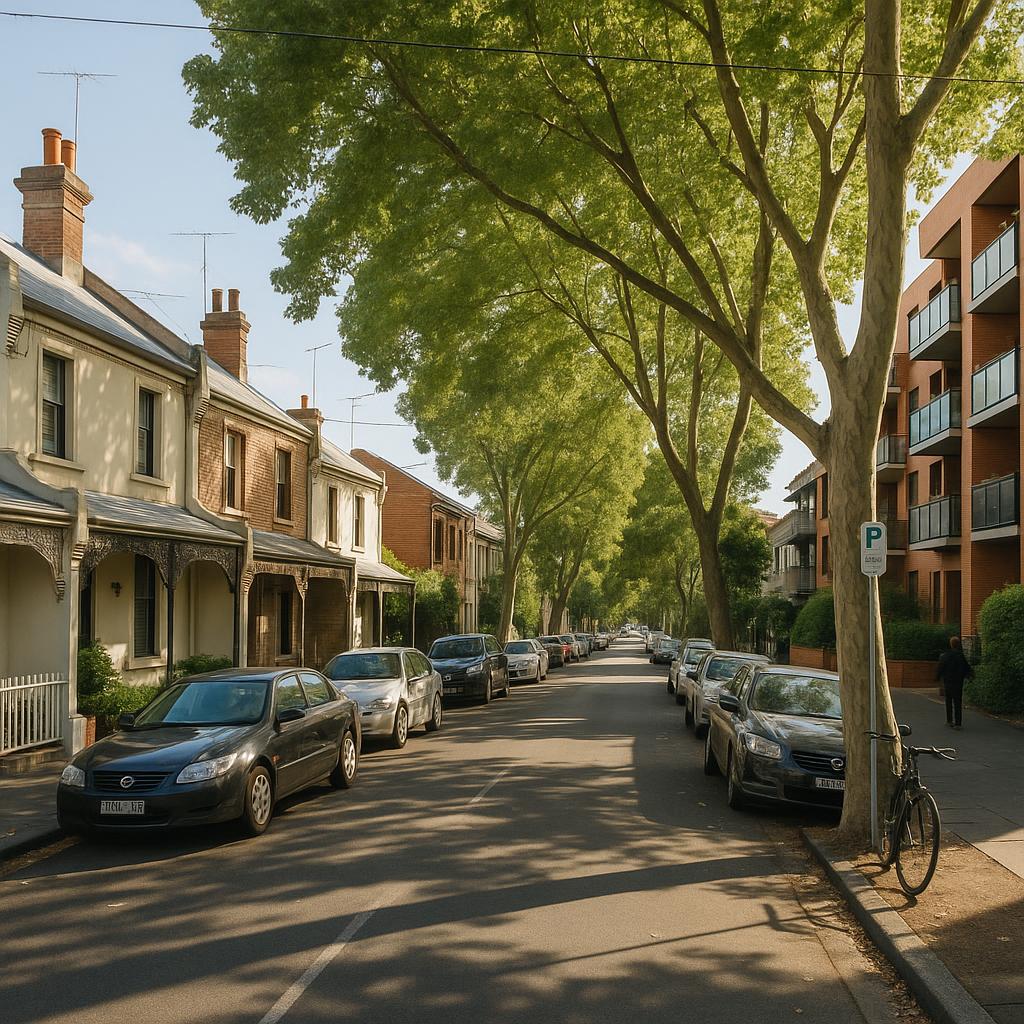
Collingwood North sits within Melbourne’s inner-urban ring, where land is limited, streets are compact, and convenience is a major part of the value proposition. It is the kind of suburb where a well-located terrace, a renovated apartment, or a character home can attract very different buyer groups even though the address is the same.
The market is best understood as segmented rather than uniform. Some buyers are chasing move-in-ready dwellings with minimal maintenance, while others are looking for value-add potential in older stock. That means one property can draw fast interest because it fits a lifestyle brief, while another lingers if it needs work or has awkward access, parking, or layout issues.
For investors and homeowners, the main takeaway is simple: broad Melbourne commentary is less useful here than street-by-street and building-by-building analysis. Verify recent comparable sales, inspect at different times of day, and assess whether the property suits the likely buyer or tenant pool in this specific pocket.
Buyer Demand
Buyer demand in Collingwood North is typically driven by people who want proximity and convenience more than big land. That includes professionals, downsizers, first-home buyers trying to enter an inner suburb, and investors who understand that access and amenity can support leasing depth.
Competition tends to be strongest for homes that feel easy to live in: good natural light, practical floorplans, secure parking where available, and interiors that do not require immediate spending. Renovated properties can command a premium because many buyers want the lifestyle without the uncertainty of major works.
Rental Market
The rental market is usually appealing to tenants who value location, shorter commutes, and a low-maintenance home base. That can include professionals, couples, sharers, and renters wanting to live close to inner-Melbourne amenity without the burden of a large property.
For investors, the key question is not just “Will it rent?” but “Will it re-let easily and hold its appeal over time?” Apartments and smaller terraces often perform best when they are functional, well presented, and low friction to maintain. Check current rentals on comparable streets and nearby suburbs before assuming the broad inner-city market will carry every property.
Lifestyle, Transport & Schools
Collingwood North offers a distinctly inner-Melbourne lifestyle: cafés, retail, dining, and a lively street environment are part of the appeal. That makes it attractive to buyers who want everyday convenience and renters who prefer an active, urban routine.
Transport access is an important part of the suburb’s value, especially for CBD workers and hybrid professionals. Rather than relying on general claims, buyers should test the commute at the time they would actually travel and assess walkability from the specific property to transport options, services, and daily needs.
Schools can still matter in inner-city suburbs, even where the market is often lifestyle-led. Families should confirm catchments, enrolment rules, and proximity using official sources, because small changes in address can affect school access and long-term resale demand.
Property Type Guide
- Older houses and terraces: Often the best fit for buyers who value character and long-term owner-occupier appeal, but they can carry maintenance and compliance risk.
- Apartments and units: Typically suit investors and first-home buyers seeking lower-maintenance ownership, though strata fees and by-laws need careful review.
- Renovated dwellings: Attractive to buyers wanting convenience, but pricing can reflect the quality of finishes rather than underlying fundamentals alone.
- Value-add stock: Can create upside for capable buyers, provided the renovation scope, approvals, and budget are realistic.
Risks & Watch-Outs
- Traffic, parking stress, and noise exposure can materially affect liveability in busy inner-city streets.
- Older housing stock may hide repair, moisture, or structural issues that are not obvious in online listings.
- Apartment buyers should review strata records, levies, building reports, and owner-occupier mix before proceeding.
- Renovation budgets can blow out quickly if defects, compliance work, or heritage constraints emerge.
- A strong suburb reputation does not protect a poor floorplan, weak outlook, or awkward micro-location.
Nearby Suburbs to Compare
- Collingwood North
- Carlton South
- East Melbourne
- North Melbourne
- Fitzroy
- Abbotsford
FAQ
What type of buyer suits Collingwood North?
It usually suits buyers who prioritise inner-city convenience, character, and easy access to Melbourne’s employment and lifestyle precincts. That includes professionals, downsizers, first-home buyers, and investors who are comfortable assessing property type and street-by-street variation.
Is Collingwood North a good suburb for investors?
It can be, especially if you buy a property that is easy to lease and maintain. Investors should focus on tenant appeal, low ongoing maintenance, and practical floorplans rather than assuming the suburb name alone will deliver strong performance.
What property type is usually most suitable?
There is no single best option. Apartments can suit low-maintenance investment, terraces can appeal to lifestyle buyers, and older homes may offer renovation upside. The right choice depends on budget, risk tolerance, and holding period.
What should I check before buying in Collingwood North?
Inspect the building condition, strata documents if relevant, parking arrangements, noise exposure, and how the street feels at different times. Also verify transport, school access, and comparable sales using current sources rather than older commentary.
Is Collingwood North family-friendly?
It can work for some families, particularly those who value inner-city convenience and are comfortable with compact living. However, families should assess yard space, parking, traffic, school access, and whether the dwelling type matches their daily routine.
Conclusion
Collingwood North is best approached as a location-first inner suburb where the property itself matters as much as the postcode. Buyers should weigh liveability, maintenance, and resale audience carefully, while investors should match the dwelling to a realistic tenant profile. The best outcomes usually come from buying the right asset in the right street, not simply buying into the suburb.
Sources & How to Verify
- Check current sold results on Domain so you can compare the asking price or guide price against recent, relevant local evidence.
- Use realestate.com.au to review current listings, property features, and time-on-market signals for comparable homes and apartments.
- Review suburb and dwelling data through the Australian Bureau of Statistics to understand broader demographic context without relying on outdated commentary.
- Confirm zoning, overlays, and planning constraints on the Victorian Planning Authority site before you assume renovation or redevelopment potential.
- Check school zones and enrolment rules using the Find My School tool, because school access can change by exact address.
- Verify transport options and service patterns using Public Transport Victoria rather than relying on generic proximity claims.
- If the property is in a strata scheme, read the owners corporation records carefully and look for maintenance gaps, special levies, and dispute history.
- Inspect the street at different times of day so you can judge traffic, parking, noise, and privacy in the real setting rather than the marketing photos.