Quick Answer
Princes Hill is a tightly held inner-north Melbourne suburb that suits buyers who value character, convenience, and long-term scarcity. It is generally not the place to hunt for bargains or large modern family homes; its appeal comes from location, heritage streetscapes, and strong owner-occupier demand. For investors, the main draw is durable tenant interest rather than standout yield. If you want a compact, lifestyle-led market with limited stock and broad resale appeal, Princes Hill deserves serious consideration.
Key Takeaways
- Princes Hill is a small, scarcity-driven suburb where location and streetscape quality matter more than chasing discount entry points.
- Its market is shaped by inner-north convenience, park access, and a strong owner-occupier presence that supports resilience.
- Character homes, low-rise dwellings, and well-located apartments each appeal to different buyer profiles and budgets.
- Investors should prioritise tenant appeal, maintenance quality, and ease of living over headline rent expectations.
- The best comparisons are nearby inner-north suburbs with similar lifestyle fundamentals, not outer suburbs with very different supply dynamics.
Pros & Cons
Pros
- Inner-city convenience with enduring lifestyle appeal.
- Established streets and character housing that are hard to replicate.
- Broad appeal to professionals, downsizers, and long-term renters.
Cons
- Limited supply means fewer chances to buy “cheap”.
- Older homes can bring maintenance and renovation costs.
- Some properties trade off size, parking, or modern layouts for location.
Market Overview
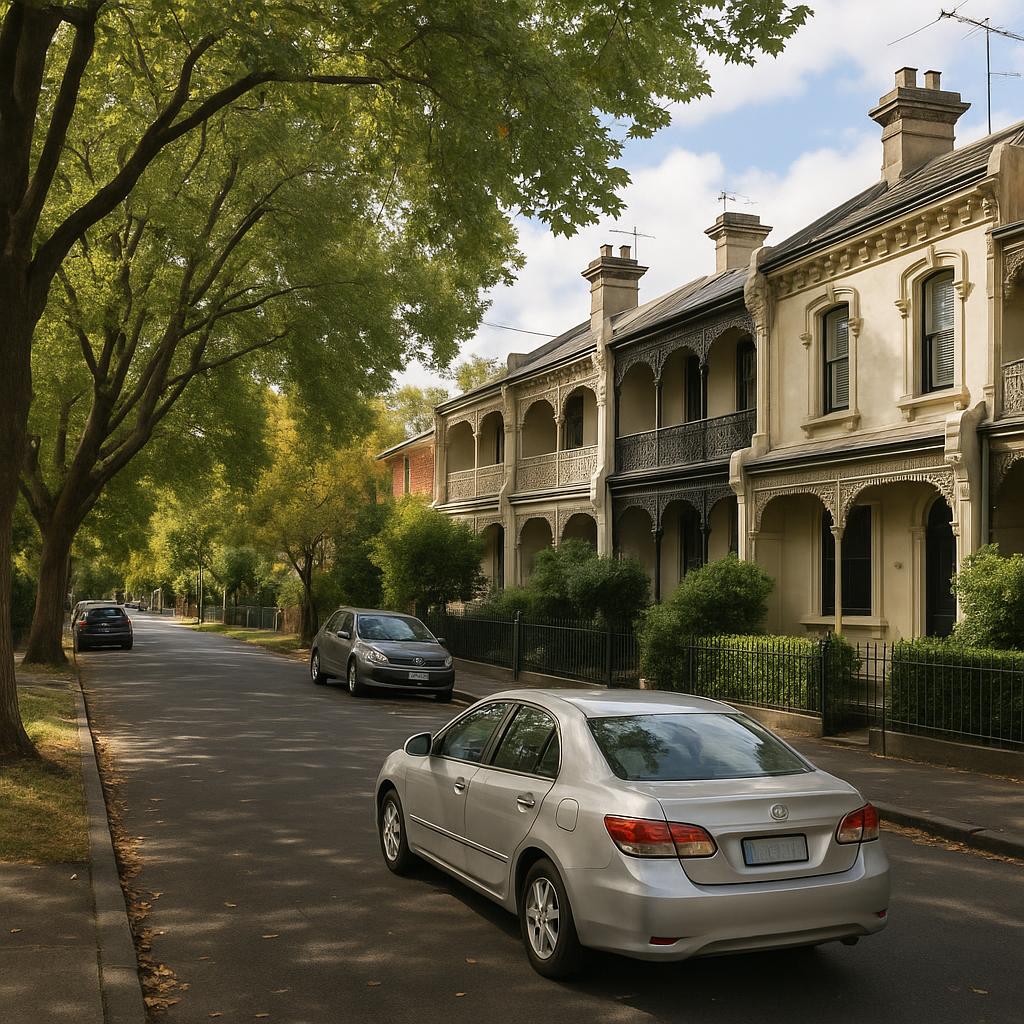
Princes Hill sits in Melbourne’s inner north and is best understood as a compact, established, location-led market rather than a broad, high-turnover suburb. It is closely associated with Carlton North, Brunswick, Parkville, and Fitzroy North, which helps explain why buyers often compare homes across several nearby pockets before making a decision.
The market here is driven by scarcity, lifestyle, and the enduring appeal of character streetscapes. That usually means buyers compete for the best-located and best-presented homes, while less practical properties can sit longer if they compromise on light, layout, parking, or liveability. In this kind of suburb, quality differences matter.
For homeowners, Princes Hill tends to suit those who value everyday convenience and a strong sense of place. For investors, it is less about short-term upside and more about holding a property in a suburb where demand is supported by location, amenity, and a steady stream of inner-city renters.
Buyer Demand
Demand is typically strongest from owner-occupiers who want the inner-north lifestyle without moving into a larger or noisier activity centre. Professionals, downsizers, and families are often drawn to the area for different reasons, but they share a preference for convenience, character, and access to services.
What buyers commonly seek is a mix of good presentation, practical layout, and proximity to transport and green space. In a suburb like this, a well-kept home with natural light and functional outdoor space can attract more attention than a larger dwelling with awkward circulation or costly maintenance needs.
Rental Market
Princes Hill can appeal to renters who want a central location, short commutes, and a lifestyle that feels connected to the inner city. That includes professionals, students, and long-term tenants who prefer established neighbourhoods over newer estates.
Investors should focus on tenant-friendly features such as easy access, low maintenance, sensible floorplans, and practical amenity. Well-located apartments and smaller homes often make the most sense for leasing because they balance convenience with manageable holding costs. Verify current asking rents and vacancy conditions through live listings rather than relying on stale estimates.
Lifestyle, Transport & Schools
Princes Hill’s lifestyle appeal comes from its leafy feel, heritage character, and proximity to everyday amenity. It has a more intimate residential identity than many larger inner suburbs, which is part of the reason buyers are willing to compromise on size to stay in the area.
Transport access is a major part of the suburb’s value proposition. Tram connections and walkable routes into nearby activity strips make it practical for commuters, and that convenience also supports rental demand. For many buyers, being able to move around without depending heavily on the car is a genuine lifestyle advantage.
School access can also matter for families, but it should be assessed carefully at the property level because catchments and enrolment rules can change. Rather than relying on hearsay, check the specific address against official school information and confirm how it aligns with your plans.
Princes Hill Suburb Profile
Official 2021 Census snapshot for the ABS Suburbs and Localities geography.
Age profile
Housing tenure
Occupied private dwellings by tenure type.
Salary & income profile
Median total income reported in the Census.
*Annual figures are weekly median × 52 estimates, not separate ABS annual medians.
Education & qualifications
Highest educational attainment, people aged 15+.
Employment status
People aged 15+ who reported being in the labour force.
Industry of employment
Top responses among employed people aged 15 years and over.
Occupation profile
Broad occupation groups among employed residents, including managers.
Property Type Guide
- Heritage homes: Best for buyers seeking character, street appeal, and long-term scarcity; allow for maintenance and renovation budgets.
- Apartments and units: Often suit investors and downsizers wanting lower-maintenance ownership, but body corporate quality matters.
- Townhouses and low-rise homes: A useful middle ground for buyers who want convenience with a bit more functional space.
- Renovation stock: Can add value if the structure and location are strong, but do not assume cosmetic work equals good value.
- Move-in-ready homes: Usually command stronger attention from time-poor buyers who prioritise certainty and immediacy.
Risks & Watch-Outs
- Do not overpay just because a property is in a tightly held suburb; quality still varies street by street.
- Older homes may need more ongoing maintenance, especially where original fabric, services, or layouts are dated.
- Parking, storage, and access can materially affect resale appeal in a compact inner suburb.
- Some properties suit lifestyle buyers better than investors, so rental demand should be tested before purchase.
- Body corporate rules, renovation limits, and noise exposure can alter the real value of an apartment or townhouse.
Nearby Suburbs to Compare
- Carlton North VIC Property Market Guide: Buyers & Investors
- Fitzroy North
- Brunswick
- Parkville
- North Melbourne VIC Property Market Guide: Buyers & Investors
FAQ
Is Princes Hill a good suburb to buy in?
It can be a strong choice for buyers who prioritise location, character, and long-term scarcity. It is less suitable if you want maximum land size, new housing stock, or a bargain-entry strategy. The best fit is usually lifestyle-led ownership.
Is Princes Hill a good suburb for investors?
Often yes, if your strategy is focused on durable tenant demand and long-term holding rather than chasing the highest possible gross yield. Investors should test the exact property against current rental listings, maintenance needs, and tenant preferences before buying.
What types of property are most desirable in Princes Hill?
Well-presented character homes, practical low-rise dwellings, and good-quality apartments near transport are typically the most broadly appealing. The most desirable homes usually combine convenience, natural light, and functional layouts with the suburb’s established feel.
Is Princes Hill family-friendly?
It can be, especially for families who value access to parks, schools, and inner-city convenience. The key is to assess the specific property for liveability, outdoor space, storage, and transport practicality, rather than assuming every address suits family life.
How does Princes Hill compare with Carlton North or Brunswick?
Princes Hill shares the inner-north character and convenience of Carlton North and the amenity-rich feel of Brunswick, but on a smaller, more intimate scale. That smaller footprint can feel quieter and more tightly held, which may appeal to certain buyers more than a busier urban environment.
Conclusion
Princes Hill is a suburb where scarcity, character, and convenience shape the market more than headline hype. It rewards buyers who understand the trade-off between space and location, and investors who value tenant quality and durability over short-term yield chasing. If you want a compact inner-north market with lasting appeal, it is worth serious research.
Sources & How to Verify
- Check current asking prices and comparable sales on Domain so you are working from live market evidence rather than assumptions.
- Review current rental listings on realestate.com.au to assess tenant demand, property presentation, and likely leasing competition.
- Use the Australian Bureau of Statistics to confirm suburb-level demographic context before making lifestyle or investment assumptions.
- Check planning controls and overlays through Planning Victoria if you are considering renovations, extensions, or development potential.
- Verify transport options and service changes using Public Transport Victoria rather than relying on memory or outdated map screenshots.
- Confirm school zones and enrolment information directly via Find My School, because catchments can affect both liveability and resale appeal.
- Look at local council information on Yarra City Council for planning, local amenity, and community updates that may influence buying decisions.
- If you need a high-confidence valuation, compare several recent sales and speak with a licensed valuer or experienced local agent who knows the micro-market street by street.