Quick Answer
Key Takeaways
- Carlton North is an inner-city suburb where heritage streets, village amenity, and CBD access are central to buyer demand.
- Demand often comes from lifestyle-led owner-occupiers first, then investors seeking a stable, broad tenant pool.
- The housing mix is a major value driver, with terraces, cottages, renovated homes, and smaller apartments each attracting different buyers.
- Scarcity and low turnover can support resilience, but buyers usually pay for location and character rather than land size.
- The smartest purchases usually align property type, renovation scope, and holding strategy with your real-world budget and time horizon.
Pros & Cons
Pros
- Highly walkable inner-city location with strong daily convenience
- Character homes and attractive streetscapes that remain broadly appealing
- Close access to transport, parks, cafés, and essential services
Cons
- Entry prices are generally higher than many middle-ring and outer suburbs
- Off-street parking and larger family-sized homes can be limited
- Older housing may require more maintenance and planning approval awareness
Market Overview
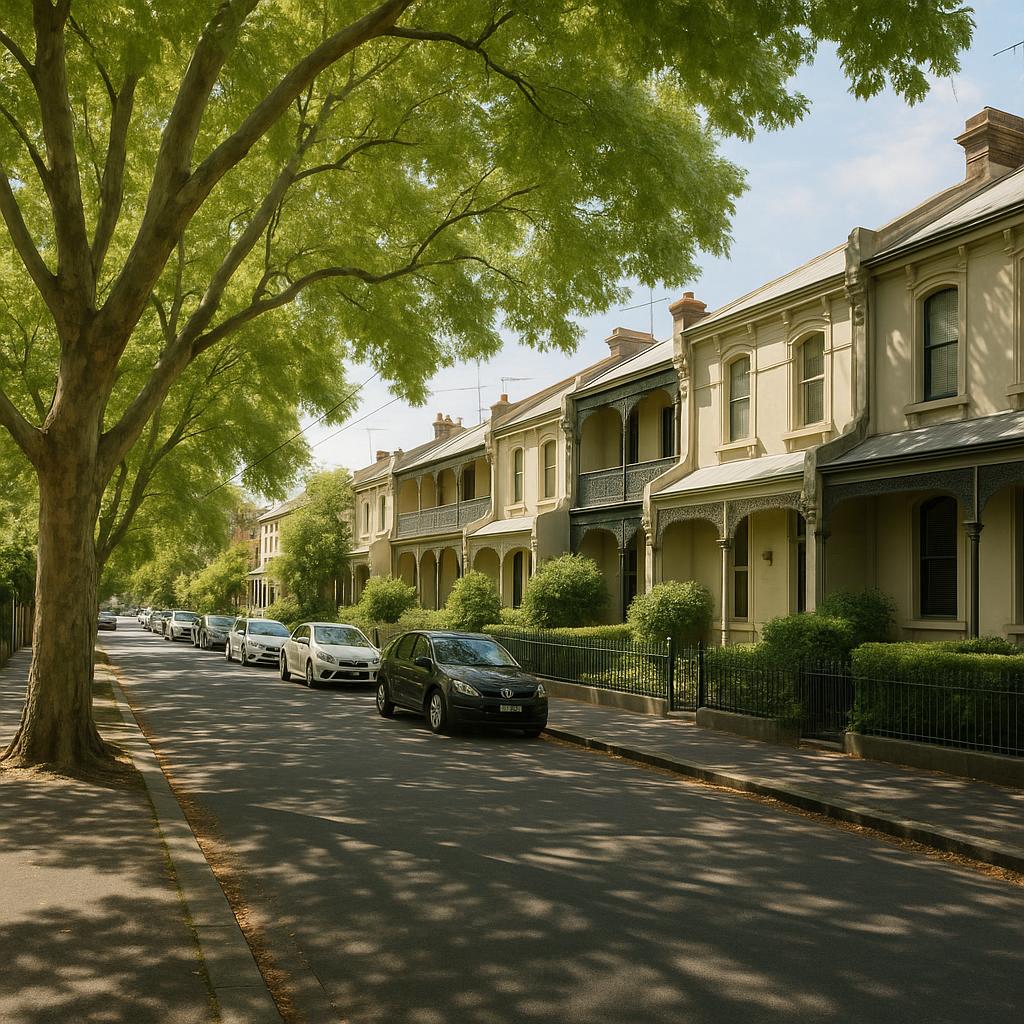
Carlton North sits in Melbourne’s inner north and is shaped more by scarcity, character housing, and established amenity than by large-scale development. It is the type of suburb where streetscape, home style, and walkability can matter as much as the postcode itself, which helps explain why it often attracts committed buyers rather than casual shoppers.
The market tends to reward patience and preparation. Well-presented period homes can draw strong interest because they combine lifestyle and long-term liveability, while smaller dwellings offer a different entry path for buyers who want the location without the same maintenance burden. As always, verify current prices and recent comparable sales before making assumptions about value.
For investors and owner-occupiers alike, Carlton North makes the most sense when you understand what you are buying into: a tightly held inner-city market where quality, layout, and presentation can outweigh raw land size. That is why the suburb often suits buyers with a clear brief and a long-term mindset.
Buyer Demand
Buyer demand is typically strongest from people who want inner-Melbourne convenience without giving up neighbourhood character. That includes professional couples, families seeking a calmer residential feel, and downsizers who prefer a well-connected lifestyle close to the city.
Competition often concentrates around renovated terraces, attractive period homes, and practical low-maintenance properties. Buyers are usually weighing not only the property itself, but also the suburb’s everyday usability: access to transport, local shopping, parks, and the ease of getting in and out of the area.
Rental Market
Carlton North generally appeals to tenants who prioritise location, convenience, and a more established neighbourhood feel. That can include professionals, couples, and smaller households who want quick access to employment hubs, transport, and inner-city amenity.
For investors, the key is matching the dwelling to the likely tenant profile. A well-presented terrace may attract longer-term tenants who value character, while a well-located apartment may appeal to those seeking lower maintenance and simpler leasing. Check current rental listings and local vacancy conditions before relying on any broad rental assumption.
Lifestyle, Transport & Schools
Lifestyle is one of Carlton North’s biggest selling points. The suburb has a village-like feel with local cafés, daily conveniences, and a strong emphasis on walking rather than car dependency. That suits buyers who want to live close to the city while still feeling embedded in a neighbourhood.
Transport access is a major practical advantage for commuters and renters. The suburb’s inner-north position makes it useful for travel into the CBD and across nearby employment areas, while walking and cycling are realistic options for many residents. Verify current routes, service frequency, and travel times using official transport sources.
School considerations also matter here, particularly for family buyers assessing long-term liveability. Rather than relying on hearsay, check official school zoning and enrolment information, then inspect the local day-to-day environment at school drop-off and pick-up times. That gives a more realistic view than any brochure ever will.
Carlton North Suburb Profile
Official 2021 Census snapshot for the ABS Suburbs and Localities geography.
Age profile
Housing tenure
Occupied private dwellings by tenure type.
Salary & income profile
Median total income reported in the Census.
*Annual figures are weekly median × 52 estimates, not separate ABS annual medians.
Education & qualifications
Highest educational attainment, people aged 15+.
Employment status
People aged 15+ who reported being in the labour force.
Industry of employment
Top responses among employed people aged 15 years and over.
Occupation profile
Broad occupation groups among employed residents, including managers.
Property Type Guide
- Heritage terraces and period homes: Best suited to buyers who want character, street appeal, and long-term livability; check for maintenance, energy efficiency, and planning restrictions.
- Renovated cottages and updated family homes: Often appeal to owner-occupiers wanting move-in-ready convenience with less immediate work.
- Smaller apartments: Can offer a more accessible entry point, but building quality, body corporate costs, and floorplan practicality matter more than the postcode alone.
- Selection approach: Buyers should compare renovation scope, parking, natural light, and outdoor space, not just cosmetic presentation.
Risks & Watch-Outs
- It is easy to overpay because the suburb feels emotionally desirable and tightly held.
- Older homes can hide costly maintenance issues, especially if inspections are rushed or incomplete.
- Heritage or planning controls may limit extensions, façade changes, or redevelopment ideas.
- Parking, storage, and awkward layouts can reduce liveability even when the address is premium.
- Investors should assess building quality and tenant appeal carefully rather than assuming every inner-city property performs equally well.
Nearby Suburbs to Compare
FAQ
Is Carlton North good for first-home buyers?
It can be, but only if the buyer is comfortable with a premium inner-city price point and the trade-offs that come with older housing stock. First-home buyers should focus on property type, upkeep, and loan buffer rather than chasing the suburb name alone.
Is Carlton North a good suburb for investors?
Generally, yes for long-term investors who value tenant demand and location resilience. The key is to buy a property that leases well in practice: sensible layout, good condition, and manageable maintenance. Verify current rental listings and vacancy trends before committing.
What property types are most common in Carlton North?
The suburb is known for terraces, period homes, renovated cottages, and smaller apartment stock. Each has a different buyer pool, so investors and owner-occupiers should compare them separately rather than treating the suburb as one uniform market.
Is Carlton North walkable and well connected?
Yes, walkability is a core part of the suburb’s appeal. Many residents value being able to access cafés, parks, and transport without relying heavily on the car. Always check current transport routes and actual walking routes, not just map distances.
What should buyers check before purchasing?
Start with building condition, layout, parking, and any renovation limitations. Then verify title and planning details, including heritage overlays if relevant. For investors, also test how the property compares with current rental demand and nearby competing stock.
Conclusion
Carlton North is a premium inner-Melbourne suburb with enduring appeal for buyers who value character, convenience, and a walkable lifestyle. It can suit both homeowners and investors, provided they buy with discipline. The best outcomes usually come from comparing property type, condition, and long-term usability rather than relying on suburb prestige alone.
Sources & How to Verify
- Check current sold results and asking prices on Domain so you are comparing real, recent Carlton North listings rather than relying on broad market impressions.
- Review active sales and rental competition on realestate.com.au to see how property type, condition, and location affect buyer and tenant interest.
- Use Property.com.au to cross-check suburb listing patterns, estimated rents, and comparable stock across nearby inner-north areas.
- Verify planning controls and heritage overlays on the Victorian Planning website before assuming you can renovate, extend, or redevelop a property.
- Check transport options and service updates through Public Transport Victoria so commute assumptions are based on current routes and timetables.
- Confirm school zones and enrolment information through the Victorian school zones page instead of relying on anecdotal rankings or past catchment assumptions.
- Look at local planning, amenity, and community updates on the City of Yarra site to understand nearby works, policies, and local context that may affect buyer appeal.