Quick Answer
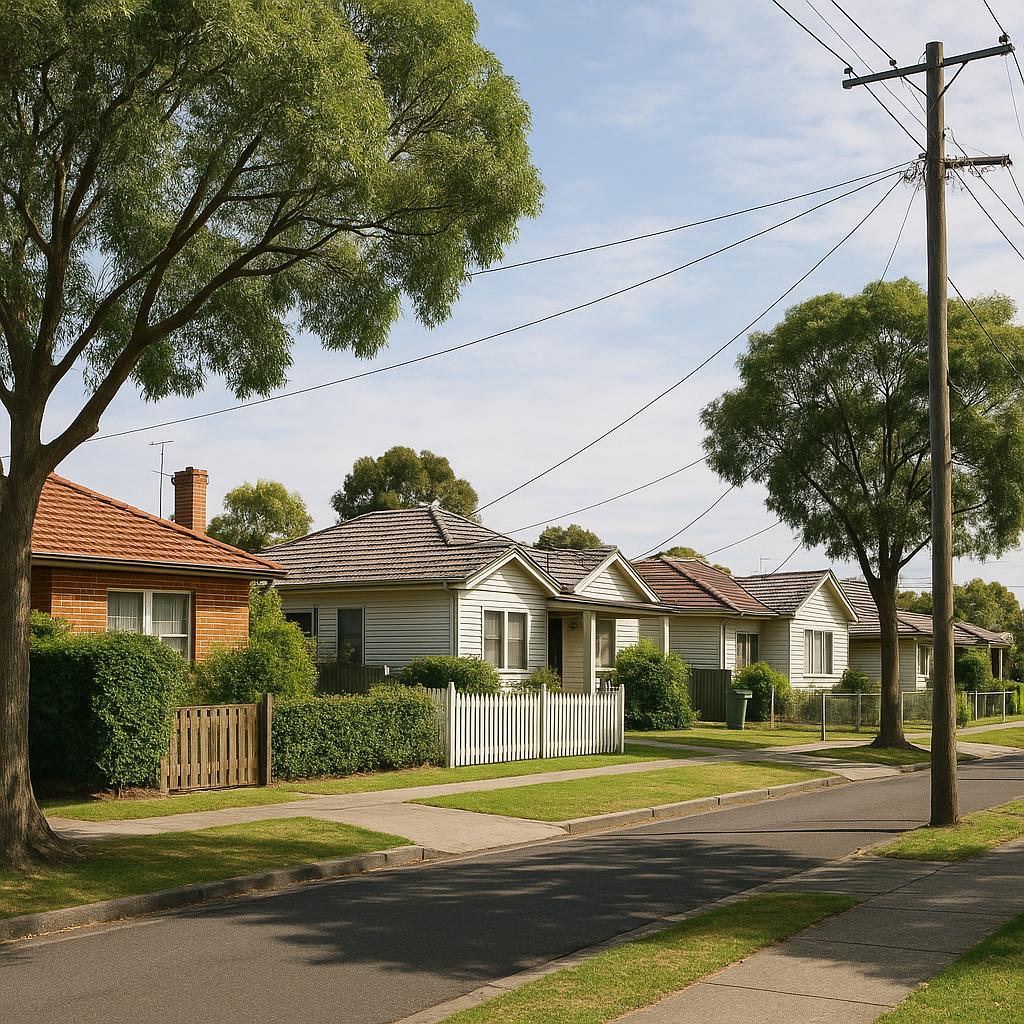
Reservoir suits buyers and investors who want an established Melbourne suburb with broad appeal, practical transport access, and a mix of older housing plus newer infill. It is not a one-size-fits-all market: outcomes depend heavily on the street, dwelling type, renovation quality, and how well the property fits local tenant and owner-occupier demand. Best for: first-home buyers, upsizers, long-term investors, renovators. Be cautious of: older homes needing upgrades, street-by-street variation, overpaying for poorly positioned stock. Watch for: zoning, drainage, build quality, nearby infrastructure changes.
Key Takeaways
- Reservoir is a large, established suburb where housing choice ranges from character homes to low-maintenance units and newer townhouses.
- Demand is supported by transport access, family-friendly amenities, and a value proposition relative to closer inner-north suburbs.
- Investors should assess the exact dwelling type and micro-location, because rental and resale strength varies sharply by pocket.
- Buyers who understand renovation scope, land potential, and street context are better placed to avoid paying for cosmetic appeal alone.
- Reservoir suits both lifestyle buyers and long-hold investors, but the best results usually come from disciplined selection.
Pros & Cons
Pros
- Broad appeal across families, first-home buyers, investors, and downsizers.
- Good access to public transport and main-road connections for commuting and convenience.
- Mixed housing stock creates opportunities across different budgets and strategies.
Cons
- Performance can vary significantly between streets, housing types, and pockets.
- Older homes may need meaningful maintenance, compliance work, or renovation.
- Some locations face traffic, parking, or amenity trade-offs that affect buyer perception.
Market Overview
Reservoir is an established inner-north to outer-inner north Melbourne suburb with a practical, everyday-living character. It is often considered a value alternative to pricier nearby locations, which helps it attract a mix of owner-occupiers, investors, downsizers, and first-home buyers.
The suburb’s market is best understood as a collection of micro-markets rather than a single theme. A renovated home on a quieter, well-connected street can command strong interest, while a tired dwelling on a busier road may need a very different pricing and renovation strategy.
For buyers, the main question is not simply “Is Reservoir good?” but “Which part of Reservoir, and which property type, suits my goal?” That distinction matters because land value, livability, and future flexibility can vary materially from one street to the next.
Buyer Demand
Buyer demand in Reservoir is supported by a broad pool of purchasers: first-home buyers chasing relative affordability, families wanting more space, and investors seeking stable rental demand. Upsizers and downsizers also look here because the suburb offers established amenity without the premium of many inner-ring locations.
Demand is strongest where the property feels move-in ready, well-located, and easy to maintain. Renovated homes, functional family layouts, and low-maintenance dwellings tend to attract more competition, while properties needing major work require sharper pricing and stronger due diligence.
Rental Market
Reservoir has a practical rental profile because it can appeal to singles, couples, sharers, and families. That diversity is valuable for investors: it helps keep demand broad, provided the property is presented well and matches the likely tenant profile.
Low-maintenance units and well-located townhouses often lease more easily than older, maintenance-heavy homes that need ongoing attention. Tenants usually value parking, heating and cooling, functional layouts, and access to transport and everyday services, so rental success is often about usability rather than size alone.
Lifestyle, Transport & Schools
Reservoir offers an established suburban lifestyle with everyday convenience at the centre of its appeal. Parks, retail strips, cafes, and community facilities contribute to liveability, which is important for both long-term owners and tenants who want a practical, settled area.
Transport access is a major part of the suburb’s value proposition. Train and bus connections, plus access to main roads, support commuting and can broaden the buyer and tenant pool. For many households, this reduces the need to choose between space and connectivity.
School access and family infrastructure can also shape demand, especially for owner-occupiers. Buyers should verify school zones, enrolment rules, and current performance directly through official sources, because catchments and preferences can change and are best checked live.
Reservoir (Vic.) Suburb Profile
Official 2021 Census snapshot for the ABS Suburbs and Localities geography.
Age profile
Housing tenure
Occupied private dwellings by tenure type.
Salary & income profile
Median total income reported in the Census.
*Annual figures are weekly median × 52 estimates, not separate ABS annual medians.
Education & qualifications
Highest educational attainment, people aged 15+.
Employment status
People aged 15+ who reported being in the labour force.
Industry of employment
Top responses among employed people aged 15 years and over.
Occupation profile
Broad occupation groups among employed residents, including managers.
Property Type Guide
- Houses: Best suited to families, renovators, and long-term holders. Land size, orientation, layout, and renovation quality are major value drivers.
- Units and apartments: Often suit first-home buyers, investors, and downsizers. Look closely at location, parking, body corporate settings, and maintenance burden.
- Townhouses and newer infill: Offer a middle ground between space and low upkeep. Build quality, privacy, and floorplan efficiency matter more than finishes alone.
- Character homes: Can deliver strong upside if the underlying block, street, and structure are sound, but they may require more capital and patience.
Risks & Watch-Outs
- Reservoir is highly pocket-dependent, so a good suburb reputation does not automatically make every street equally desirable.
- Older homes can hide maintenance issues, compliance work, poor insulation, or expensive renovation needs.
- Traffic, parking, noise, and nearby amenity trade-offs can reduce liveability and weaken resale appeal.
- Overcapitalising on cosmetic upgrades can leave you with costs that the local buyer pool will not fully reward.
- Planning, zoning, drainage, and future nearby works should be checked before assuming long-term flexibility.
Nearby Suburbs to Compare
- Preston VIC Property Market Guide: Buyers & Investors
- Coburg VIC Property Market Guide: Buyers & Investors
- Northcote VIC Property Market Guide: Buyers & Investors
- Brunswick VIC Property Market Guide: Buyers & Investors
- Bundoora
- Fawkner
FAQ
Is Reservoir VIC a good suburb for first-home buyers?
Yes, Reservoir can suit first-home buyers who want a practical Melbourne location with more choice than many inner suburbs. The key is to buy the right property type, check the street carefully, and avoid stretching for a home that needs more work than expected.
Is Reservoir good for investors?
It can be, especially for investors who focus on tenant demand, low-maintenance design, and strong micro-location. The suburb’s broad appeal helps, but returns depend on property selection, ongoing costs, and how competitive the home is against nearby rental stock.
What property type performs best in Reservoir?
There is no single best type. Houses may suit long-term capital growth and family demand, while units and townhouses can be easier to maintain and lease. The right choice depends on your budget, target tenant, and holding strategy.
Is Reservoir better for families or investors?
It can work well for both. Families are often drawn to space, amenity, and transport, while investors value broad rental demand. The better fit comes down to whether you prioritise land, convenience, yield stability, or renovation potential.
What should buyers check before purchasing in Reservoir?
Inspect the immediate street, compare recent sales in the same property type, and check zoning, drainage, and any overlay constraints. Also assess parking, access, and whether the property’s condition matches your budget and intended use.
Conclusion
Reservoir remains a compelling Melbourne suburb for buyers and investors who understand that value is highly dependent on pocket, property type, and presentation. The suburb offers broad demand, practical amenity, and long-term relevance, but the best outcomes come from careful selection, realistic budgeting, and proper due diligence.
Sources & How to Verify
- Check current sale and rental listings on Domain to compare asking prices, property types, and lease competition before forming an opinion.
- Review live sold history on realestate.com.au so you can assess how similar Reservoir properties are actually trading, not just advertised.
- Use the Victorian Valuer-General information to understand official valuation context and confirm whether a price expectation looks broadly reasonable.
- Check planning controls and overlays through Planning Victoria so you know whether extensions, rebuilds, or development ideas may face constraints.
- Verify transport access and service patterns with Public Transport Victoria because commuting convenience is part of Reservoir’s demand story.
- Confirm school zones and enrolment details through the Find My School tool rather than relying on anecdotal suburb commentary.
- Check local amenity, planning news, and community updates on the City of Darebin website to understand nearby changes that may affect liveability or traffic.
- Speak with at least one local agent and inspect the street at different times of day, because pocket-level variation often matters more than broad suburb reputation.