Quick Answer
Essendon VIC suits buyers and investors who want established suburb appeal, strong amenity, and convenient access to Melbourne’s inner north-west. It is generally better for people taking a long-term view than for bargain hunters chasing a quick entry. Homebuyers are often drawn to character homes, family-friendly pockets, and low-friction commuting; investors are usually looking for reliable tenant demand, broad liveability, and properties that are easy to maintain and lease.
Key Takeaways
- Essendon is an established, tightly held suburb where location, street quality, and property condition matter more than broad suburb branding.
- Buyers often pay for convenience, character housing, and a suburb profile that feels premium without being purely CBD-adjacent.
- Investors should focus on tenant-friendly layouts, transport access, and low-maintenance presentation rather than chasing speculative upside.
- Older homes can offer land and charm, but they also demand careful budgeting for upgrades, compliance, and ongoing maintenance.
- Best results usually come from comparing pockets, not just suburbs, because noise, traffic, and housing stock can differ sharply.
Pros & Cons
Pros
- Strong lifestyle appeal with established streets, parks, cafes, and practical day-to-day amenity.
- Character housing and long-term owner-occupier interest support enduring demand.
- Good access to transport, employment hubs, and major road connections.
Cons
- Supply can be limited, which makes quality stock competitive and harder to secure calmly.
- Older homes may need maintenance, upgrades, or careful due diligence before purchase.
- Some pockets can be affected by traffic, flight paths, or busy arterial roads.
Market Overview
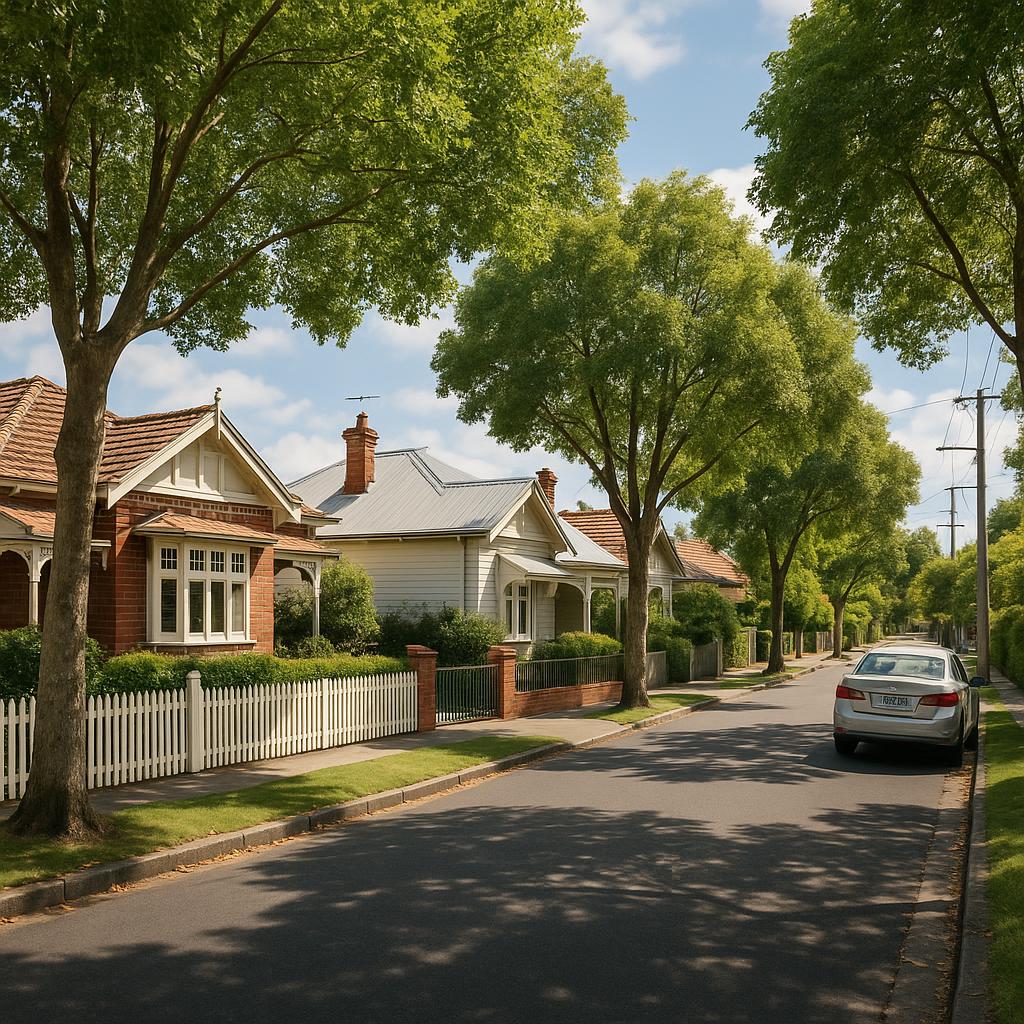
Essendon sits in Melbourne’s inner north-west and is widely viewed as an established, amenity-rich suburb with a strong residential reputation. The market is shaped by older housing, selective infill development, family demand, and buyers who value convenience as much as space.
That combination tends to create a quality-over-discount market. Buyers often compete for homes with good presentation, functional layouts, and renovation potential, while investors look for properties that will remain easy to lease as preferences change. If you are comparing Essendon with nearby suburbs such as Moonee Ponds or Strathmore, the main questions are usually pocket quality, housing type, and how much convenience premium you are willing to pay.
In practical terms, Essendon rewards buyers who assess streetscape, building condition, and long-term usability rather than relying on the suburb name alone. A renovated family home, a well-kept period property, and a newer townhouse can each attract different buyer pools and produce very different outcomes over time.
Buyer Demand
Demand in Essendon is typically driven by families, professionals, downsizers, and investors who want a settled suburb with strong livability. Many buyers are motivated by access and reputation: they are willing to stretch if the property reduces commute stress, supports school routines, and offers a more polished day-to-day environment.
What sells well is usually easy to understand. Move-in-ready homes, smart renovations, practical parking, and outdoor space tend to appeal broadly. By contrast, overcapitalised cosmetic updates or awkward floorplans can narrow the buyer pool, even in a well-regarded suburb.
Rental Market
Essendon can suit investors targeting professional tenants, couples, and small families who want convenience without sacrificing suburb quality. Rental demand is generally supported by the suburb’s transport access, local amenity, and the broader appeal of living in an established area with a strong reputation.
Properties that tend to lease more smoothly are those with low-maintenance finishes, sensible layouts, good heating and cooling, and parking where relevant. For investors, the key is not just achieving a lease, but attracting the right tenant profile with a property that is easy to live in and easy to manage.
Lifestyle, Transport & Schools
Essendon offers a settled residential feel with cafes, shopping, green spaces, and recreation options that suit people who want suburban comfort close to the city. The suburb’s appeal is partly emotional: buyers often like the balance between a mature streetscape and everyday convenience.
Transport is a major draw for commuters, and road connectivity also matters for households that split travel between the CBD, airport corridor, and surrounding employment hubs. In this kind of market, transport convenience is not just a bonus; it is a genuine value driver for both owner-occupiers and tenants.
Schools are another important part of the equation, especially for family buyers planning long holds. Rather than assuming a school advantage from the suburb name alone, verify enrolment zones, catchment boundaries, and current school information directly before you buy.
Essendon Suburb Profile
Official 2021 Census snapshot for the ABS Suburbs and Localities geography.
Age profile
Housing tenure
Occupied private dwellings by tenure type.
Salary & income profile
Median total income reported in the Census.
*Annual figures are weekly median × 52 estimates, not separate ABS annual medians.
Education & qualifications
Highest educational attainment, people aged 15+.
Employment status
People aged 15+ who reported being in the labour force.
Industry of employment
Top responses among employed people aged 15 years and over.
Occupation profile
Broad occupation groups among employed residents, including managers.
Property Type Guide
- Period homes: Best for buyers wanting character, land, and future improvement potential; check for maintenance, heritage considerations, and hidden upgrade costs.
- Renovated family homes: Suited to time-poor buyers who want comfort now; inspect workmanship, layout flow, and whether the renovation is genuinely functional.
- Townhouses and villas: Often appealing to downsizers, professionals, and investors; weigh body corporate rules, privacy, and outdoor space carefully.
- Apartments: Can offer a lower-maintenance entry point; assess building quality, parking, storage, and owner-occupier appeal beyond headline convenience.
- Renovation versus newer stock: Choose older homes for character and value-add options, or newer stock for predictability and simpler leasing.
Risks & Watch-Outs
- Inspect each pocket carefully because traffic noise, arterial roads, and flight-path impacts can change liveability materially.
- Older homes may hide plumbing, wiring, damp, insulation, roof, or foundation issues that are expensive to correct later.
- Some renovations improve appearance more than functionality, so always assess layout, storage, and workmanship.
- Do not assume premium suburb status automatically means low-risk investing or strong cash flow.
- Compare actual recent listings, not just general reputation, so your price expectations stay anchored in reality.
Nearby Suburbs to Compare
- Moonee Ponds
- Strathmore
- Ascot Vale
- Niddrie
- Brunswick
FAQ
Is Essendon good for families?
Yes, provided you value established streets, practical amenity, and access to transport and schools. Families are often drawn to the suburb’s livability, but the best outcome depends on choosing the right pocket, checking school zones, and making sure the home suits daily routines.
Is Essendon a good suburb for investors?
It can be, especially if you focus on properties that are easy to lease and maintain. Tenant demand is typically helped by convenience and suburb reputation, but investors still need to assess building condition, parking, and the strength of the specific property type.
What property types are most common in Essendon?
You will usually see a mix of period homes, renovated family houses, townhouses, villas, and apartments. The right choice depends on whether you want land, character, lower maintenance, or a more affordable entry into a premium inner-suburban area.
Is Essendon better for owner-occupiers or investors?
It can suit both, but for different reasons. Owner-occupiers tend to value lifestyle, housing character, and school access, while investors tend to focus on low-maintenance properties with broad tenant appeal and strong location fundamentals.
What should buyers inspect before making an offer?
Check the street, the exact pocket, building condition, renovation quality, transport access, and any nearby noise or traffic impacts. If you are considering an older home, a building and pest inspection is especially important because hidden issues can materially change the economics.
Conclusion
Essendon is a strong fit for buyers and investors who value location, lifestyle, and long-term suburb appeal. The best approach is to match property type to your goal, compare pockets carefully, and treat condition and functionality as seriously as the suburb name. In a mature market like this, informed selection matters more than speed.
Sources & How to Verify
- Check current stock, sold results, and asking prices on Domain so you are not relying on outdated suburb impressions.
- Review live rental listings on realestate.com.au to understand presentation standards, rent competition, and the property types tenants are actually choosing.
- Use the Victorian school zones information to confirm current enrolment zones and avoid assuming a catchment based only on suburb reputation.
- Look at the local council website for planning controls, overlays, and permit considerations that may affect renovation or redevelopment plans.
- Check Public Transport Victoria for routes, service patterns, and station access so you can verify commuting convenience at the property level.
- Use ABS data carefully to understand broad demographic context, but avoid treating suburb-level census information as a substitute for current buyer behaviour.
- Ask a conveyancer, building inspector, or buyer’s agent to interpret the property’s exact legal and physical risks because general suburb guides cannot replace site-specific due diligence.