Quick Answer
Brunswick is one of Melbourne’s most recognisable inner-north suburbs, and it generally suits buyers and investors who value lifestyle, walkability, and long-term demand more than bargain entry. It is usually a better fit for people who understand micro-location, property type, and liveability trade-offs. If you are buying here, focus on street quality, noise exposure, parking, and building condition, because those factors can matter as much as the suburb name itself.
Key Takeaways
- Brunswick is a lifestyle-led inner suburb where convenience, character, and amenity often drive buyer and tenant demand.
- Property quality varies materially by street, building, and dwelling type, so due diligence matters more than a generic suburb label.
- Well-located homes and quality apartments can attract strong attention from both owner-occupiers and investors.
- Buyers should compare noise, parking, renovation scope, and transport access before paying a premium for the area.
- Brunswick can suit multiple strategies, but the best outcomes usually come from choosing the right asset for your goal.
Pros & Cons
Pros
- Strong lifestyle appeal with cafés, retail, dining, and an energetic inner-city feel.
- Excellent access to public transport and major employment areas in inner Melbourne.
- Diverse housing stock gives buyers options across houses, apartments, and townhouses.
Cons
- Competition can be intense for well-presented properties in quieter, more desirable pockets.
- Some streets and buildings carry noise, parking, or privacy compromises.
- Older homes and some apartments may require more maintenance or careful building due diligence.
Market Overview
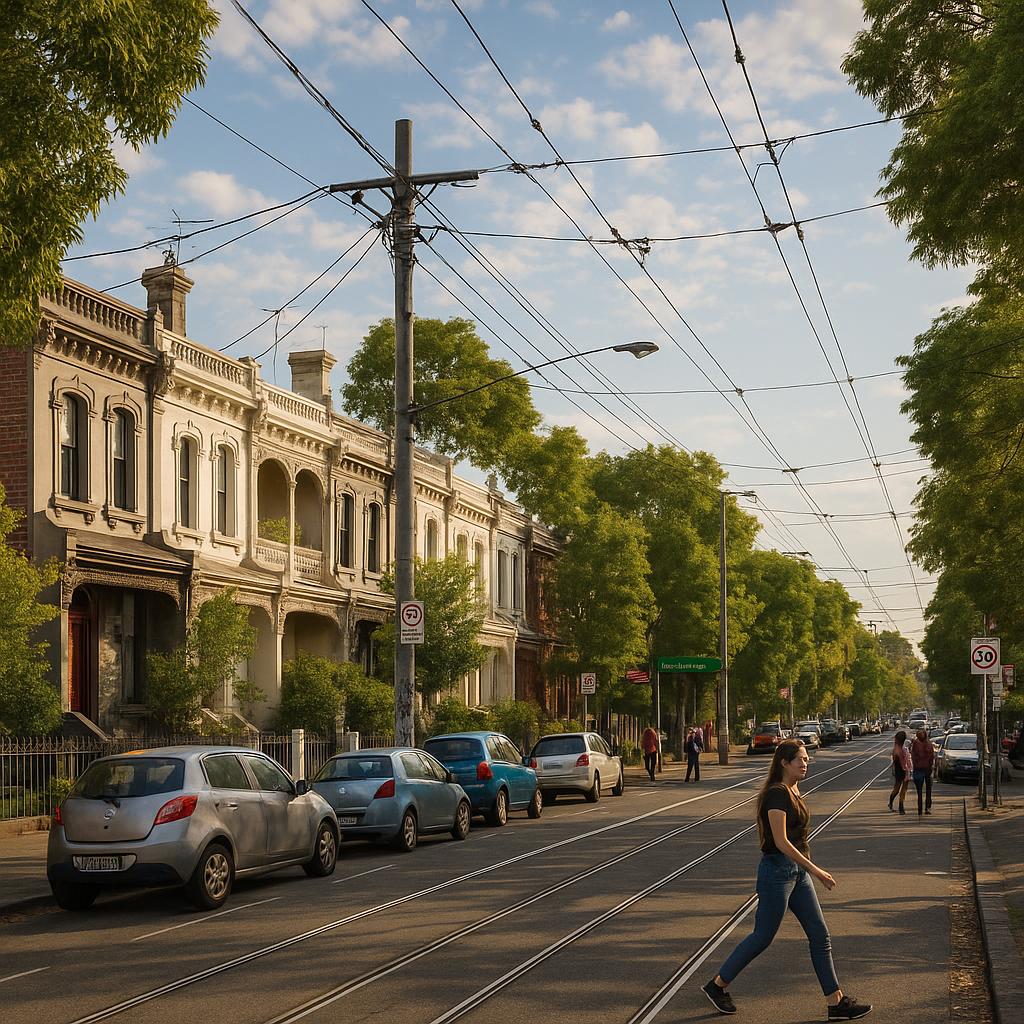
Brunswick is a tightly held, inner-north Melbourne suburb with a clear urban village identity. It draws a mix of long-term residents, younger professionals, students, families, and downsizers, which helps keep demand broad. The market is not one-size-fits-all: a quiet residential street, a main-road apartment, and a renovated terrace can each behave very differently.
In practical terms, the suburb’s appeal comes from amenity, transport access, and character housing rather than from cheap entry. That means buyers often compete hardest for properties that feel easy to live in and easy to lease. If you are researching the area, compare each property on street quality, building condition, and likely buyer audience, not just postcode popularity.
For a broader inner-Melbourne comparison, nearby markets such as Collingwood, Fitzroy, and Carlton can help you judge whether Brunswick is the right fit or simply the most familiar option.
Buyer Demand
Buyer demand in Brunswick tends to come from people who want an inner-city lifestyle without giving up practical access to transport, retail, and employment hubs. Owner-occupiers often target character homes, renovated terraces, and well-located townhouses, while investors look for assets that appeal to a wide tenant pool.
The strongest demand usually sits with properties that feel move-in ready, are on quieter streets, or offer a sensible layout with low ongoing friction. Buyers who ignore street exposure, parking, or renovation scope can overpay for a property that looks attractive on paper but underdelivers in daily use.
Rental Market
Brunswick generally attracts renters who want convenience, lifestyle, and relatively easy access to the CBD and nearby education and employment precincts. That makes it appealing to students, young professionals, couples, and sharers who value public transport and local amenity more than large yards or car-dependent living.
For investors, the key is matching the product to the renter. Practical floorplans, good natural light, secure entry, and low-maintenance finishes are usually more important than decorative features alone. A well-designed apartment or low-maintenance townhouse may lease more smoothly than a stylish but awkward home.
Lifestyle, Transport & Schools
Brunswick’s lifestyle appeal is a major part of its market strength. The suburb is known for its café culture, dining, retail strips, and a busy, multicultural atmosphere. That energy helps create emotional attachment for owner-occupiers and makes it easier for investors to attract lifestyle-led tenants.
Transport is another core value driver. Access to train, tram, and bus options supports car-light living and broadens the pool of potential buyers and renters. In suburbs like this, convenience often matters more than raw dwelling size, especially for people who commute regularly or prefer a lower-dependency lifestyle.
Schools and education access should still be checked carefully, even in a lifestyle-led suburb. Families should confirm zoning, enrolment eligibility, and catchment boundaries directly through official Victorian education sources before assuming a property sits within a preferred school area. This is especially important if school access is part of your long-term ownership plan.
Brunswick (Vic.) Suburb Profile
Official 2021 Census snapshot for the ABS Suburbs and Localities geography.
Age profile
Housing tenure
Occupied private dwellings by tenure type.
Salary & income profile
Median total income reported in the Census.
*Annual figures are weekly median × 52 estimates, not separate ABS annual medians.
Education & qualifications
Highest educational attainment, people aged 15+.
Employment status
People aged 15+ who reported being in the labour force.
Industry of employment
Top responses among employed people aged 15 years and over.
Occupation profile
Broad occupation groups among employed residents, including managers.
Property Type Guide
- Period homes and terraces: Best for character, land value appeal, and renovation upside. Check heritage overlays, maintenance needs, and layout quirks.
- Apartments: Best for lower-maintenance living and rental demand. Check body corporate fees, building quality, soundproofing, storage, and parking.
- Townhouses and newer medium-density homes: Best for buyers wanting a balance of space and convenience. Check design quality, privacy, and natural light.
- Older renovated homes: Can work well for owner-occupiers if the renovation quality is strong and the floorplan is functional.
- Investment lens: Choose the dwelling type that most tenant profiles can live in comfortably, not just the one with the strongest street appeal.
Risks & Watch-Outs
- Do not assume every Brunswick property shares the same level of demand; micro-location can change value and liveability quickly.
- Main-road exposure, nightlife noise, and parking pressure can materially affect comfort and resale appeal.
- Apartments vary widely in quality, so body corporate records and building condition should be reviewed carefully.
- Older homes may carry hidden renovation costs, especially if the kitchen, bathroom, wiring, or insulation needs work.
- Planning, heritage, and development controls can affect what you can do next, so confirm constraints before you buy.
Nearby Suburbs to Compare
FAQ
Is Brunswick good for first-home buyers?
It can be, but only if your budget, borrowing capacity, and compromise level are realistic. First-home buyers often need to choose between character, convenience, and affordability. In Brunswick, the best purchase is usually the one that keeps ongoing costs and lifestyle friction under control.
Is Brunswick a good suburb for investors?
Yes, it can be a solid investment suburb because demand is typically supported by lifestyle appeal, transport access, and a broad renter base. The main challenge is not demand, but choosing the right dwelling type, street, and building quality to suit local renters.
What type of property works best in Brunswick?
That depends on your goal. Owner-occupiers often favour character homes or townhouses with liveability and space, while investors may prefer apartments or low-maintenance homes with strong rental practicality. The best asset is the one that matches your holding strategy and budget.
What should I inspect carefully before buying?
Prioritise street noise, parking, orientation, ventilation, natural light, and the quality of the building or renovation. For apartments, review body corporate records and common property condition. For houses, check maintenance scope and whether the floorplan actually works for modern living.
Which suburbs should I compare with Brunswick?
Start with nearby inner-north alternatives such as Coburg, Fitzroy, Carlton, and Northcote. Comparing these suburbs helps you understand whether you want Brunswick’s particular mix of energy, housing stock, and transport access, or whether a nearby area fits your brief better.
Conclusion
Brunswick is a strong inner-Melbourne suburb for buyers who value lifestyle, convenience, and broad long-term demand. It can work for both homeowners and investors, but the result depends heavily on the specific property. Focus on street quality, building condition, layout, and future flexibility rather than buying the suburb story alone.
Sources & How to Verify
- Check current sold prices and active listings on Domain to see how different Brunswick property types are actually trading.
- Review comparable market evidence on realestate.com.au so you are not relying on one portal or one listing cycle.
- Confirm planning controls and zoning with the City of Merri-bek before assuming renovation or redevelopment options.
- Use the Victorian school zones information to verify catchments rather than relying on hearsay or agent comments.
- Check train, tram, and bus access through Public Transport Victoria to understand real commuting convenience.
- Look up demographic and dwelling data on the ABS for broad context, but treat it as background rather than a current market signal.
- Inspect apartment and townhouse records carefully, including body corporate minutes, levies, and maintenance plans, because building-level issues can materially affect returns.
- Verify the specific street at different times of day, because noise, parking, and traffic can change the feel of a Brunswick property far more than the suburb name suggests.