Quick Answer
Northcote is a strongly regarded inner-north Melbourne suburb that suits buyers who value lifestyle, convenience, and long-term desirability more than bargain pricing. It tends to appeal to owner-occupiers, families, and investors who want broad tenant demand and a resilient market profile. The best results usually come from choosing the right street, dwelling type, and condition rather than relying on the suburb name alone. For many buyers, Northcote works because it compresses everyday life into a highly walkable, well-connected setting.
Key Takeaways
- Northcote’s appeal comes from its inner-north location, established character, and strong day-to-day livability.
- Demand is often supported by transport access, café culture, parks, and a broad mix of buyer profiles.
- The suburb can suit both owner-occupiers and investors, but asset selection matters more than headlines.
- Houses usually attract long-term lifestyle buyers, while townhouses and apartments suit lower-maintenance strategies.
- Verify current market conditions with recent comparable sales, active listings, and on-the-ground inspection of each pocket.
Pros & Cons
Pros
- Strong lifestyle appeal with established amenity and a clear local identity.
- Good public transport access for commuters and renter demand.
- Broad buyer interest across families, professionals, downsizers, and investors.
Cons
- Entry costs can be high relative to many middle-ring and outer suburbs.
- Some properties need renovation, maintenance, or heritage-sensitive upgrades.
- Not every street or building type offers the same value or liveability.
Market Overview
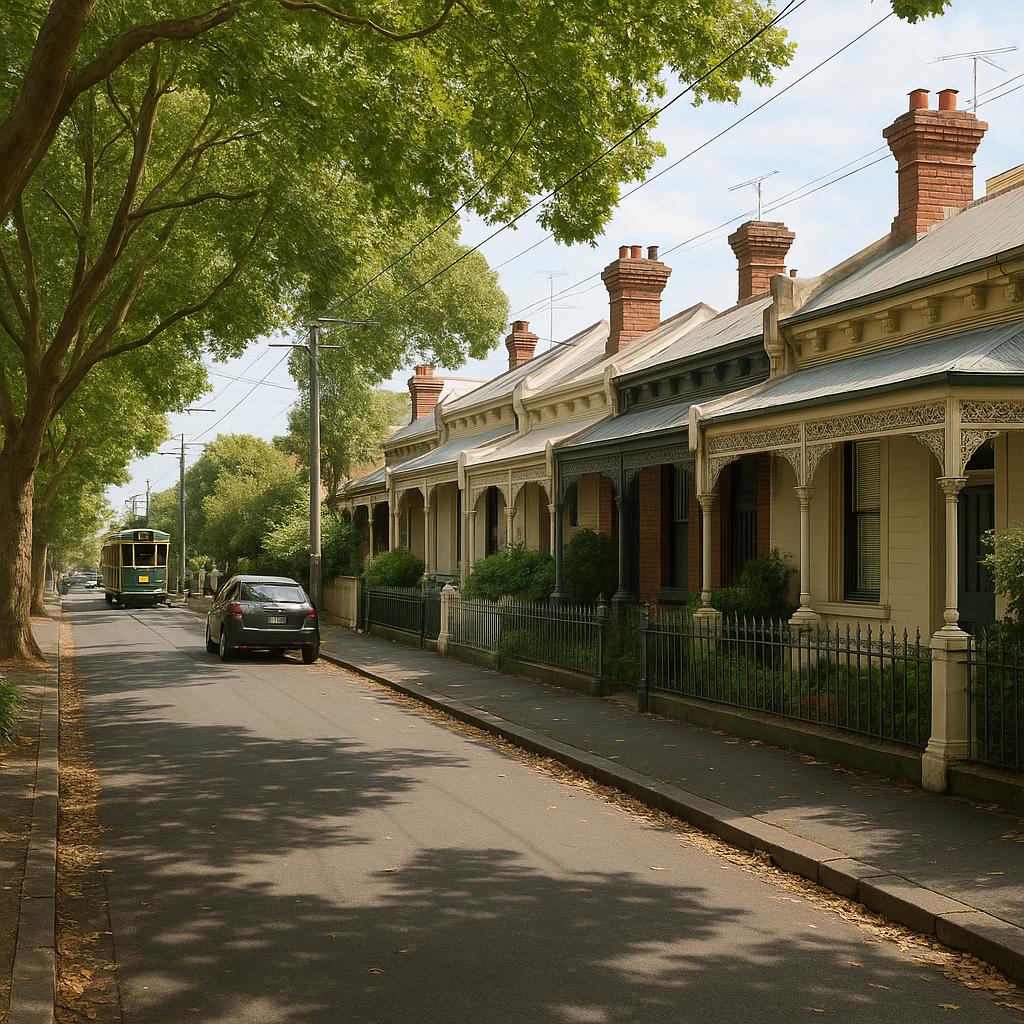
Northcote is an inner-north suburb with a mature housing market, a strong sense of place, and a mix of period homes, townhouses, and apartments. That combination generally makes it attractive to buyers who want more than a postcode: they want access, amenity, and a suburb that feels established rather than speculative.
For investors and homeowners, the key point is that Northcote behaves like a quality location market, where property-specific features matter a great deal. Street appeal, noise exposure, layout, renovation quality, and parking can materially change buyer interest. In practice, that means two properties a few streets apart can suit very different budgets and strategies.
The suburb’s appeal also comes from scarcity. Well-located homes in walkable pockets tend to be tightly held, while lower-maintenance dwellings can attract steady interest from renters and time-poor buyers. Before committing, verify current supply and competition by comparing recent sales, active listings, and time-on-market patterns in the immediate area.
Buyer Demand
Buyer demand in Northcote is typically broad because the suburb works for multiple life stages. Professional couples like the convenience, families like the amenity and room to grow, and downsizers often prefer a low-maintenance home close to services.
What usually drives competition is not just location, but livability: natural light, practical floorplans, secure parking, outdoor space, and a quieter street position. A renovated period home near village amenity may draw emotional buyers, while a well-designed townhouse may appeal to buyers who prioritise convenience and reduced upkeep.
Rental Market
Northcote generally appeals to renters who want a short commute, good local amenity, and a suburb that feels connected rather than dormitory-like. That can support demand for well-presented homes, especially properties that are easy to maintain and simple to live in.
For investors, the most dependable rental outcomes often come from practical layouts, clean finishes, and good access to transport and everyday services. A one-bedroom apartment may suit a single professional, while a townhouse can better fit couples or small households. Check current rental listings and lease competition to confirm how your target property type is performing today.
Lifestyle, Transport & Schools
Northcote’s lifestyle strength is part of its investment case. Buyers are often drawn to the suburb because they can combine cafés, local shopping, parks, and a community feel without giving up inner-city convenience. That everyday ease is a major reason people stretch to buy here rather than choosing a cheaper suburb further out.
Transport is another core advantage. Access to train, tram, and bus options improves the suburb’s practical value for commuters and expands the renter pool. For buyers, that means checking not only the station or stop, but also the walk from the property, the noise profile, and how the route feels at peak times.
Families typically assess school access alongside home size and street environment. Rather than relying on rankings alone, verify school zones, enrolment rules, and proximity using current official information. In suburbs like Northcote, school-related demand can influence resale strength, but it should be considered alongside layout, parking, and the overall condition of the home.
Northcote Suburb Profile
Official 2021 Census snapshot for the ABS Suburbs and Localities geography.
Age profile
Housing tenure
Occupied private dwellings by tenure type.
Salary & income profile
Median total income reported in the Census.
*Annual figures are weekly median × 52 estimates, not separate ABS annual medians.
Education & qualifications
Highest educational attainment, people aged 15+.
Employment status
People aged 15+ who reported being in the labour force.
Industry of employment
Top responses among employed people aged 15 years and over.
Occupation profile
Broad occupation groups among employed residents, including managers.
Property Type Guide
- Houses: Often attract long-term owner-occupiers and families; the land component and character are major strengths, but maintenance can be higher.
- Townhouses: A strong middle ground for buyers who want space without heavy upkeep; they often suit professionals, downsizers, and smaller households.
- Apartments/units: Can provide a more accessible entry point and lower maintenance profile; building quality, layout, storage, and sound insulation matter a lot.
- What to inspect: Check light, noise, parking, storage, circulation, renovation quality, and whether the floorplan actually supports your daily routine.
Risks & Watch-Outs
- Do not buy on suburb reputation alone; street quality and dwelling type can change the result materially.
- Older homes may have deferred maintenance, so inspect for hidden costs before being swayed by character features.
- Busy roads, awkward layouts, or poor light can weaken resale and rental appeal even in a desirable suburb.
- Strata rules and levies can affect apartments and townhouses, so review owners corporation documents carefully.
- A premium suburb does not guarantee a premium return if the purchase price is too stretched for the underlying asset.
Nearby Suburbs to Compare
- Brunswick VIC Property Market Guide: Buyers & Investors
- Coburg VIC Property Market Guide: Buyers & Investors
- Thornbury
- Fitzroy VIC Property Market Guide: Buyers & Investors
- Preston
FAQ
Is Northcote a good suburb for first-home buyers?
It can be, if the buyer is comfortable trading affordability for location and daily convenience. First-home buyers often get the best fit from apartments, smaller townhouses, or well-located homes that minimise maintenance and commute friction. Verify borrowing capacity against current listings before setting expectations.
Is Northcote good for investors?
Yes, Northcote can work well for investors who prioritise tenant demand, livability, and long-term desirability. The key is to match the property type to the likely tenant and avoid overpaying for features that do not translate into rent or resale strength. Use current rental comparables to test the case.
What property type is best in Northcote?
There is no single best type. Houses suit buyers wanting land and long-term flexibility, townhouses suit low-maintenance lifestyles, and apartments can appeal where convenience and affordability are the priority. The right choice depends on budget, holding strategy, and how much upkeep you want to manage.
Is Northcote family-friendly?
It can be, especially for families who value parks, transport, local amenity, and access to established services. The practical test is whether the property has enough space, parking, and a street environment that suits children, school routines, and weekend life. Always check the immediate pocket, not just the suburb label.
What should I look for when buying in Northcote?
Focus on street position, light, layout, noise, parking, storage, and the quality of the building or renovation. Also assess walkability to transport and amenity from the front door, not just on a map. In a suburb like Northcote, these details often matter more than broad assumptions.
Conclusion
Northcote stands out as a lifestyle-led inner-north suburb with broad appeal, but the best outcome depends on buying the right property for your goal. For homeowners, that may mean liveability and convenience; for investors, tenant demand and maintenance profile. Always compare streets, property types, and current evidence before making a decision.
Sources & How to Verify
- Check current sold results and active listings on Domain to see what buyers are paying for comparable Northcote properties right now.
- Use realestate.com.au to compare listing quality, floorplans, and days on market across houses, townhouses, and apartments.
- Review suburb and local area planning information on the City of Darebin website to understand amenity, planning context, and local priorities.
- Confirm zoning, overlays, and title-related constraints with Victoria’s planning resources before assuming renovation or redevelopment potential.
- Check school zones and enrolment details through Find My School rather than relying on informal claims or outdated advice.
- Verify train, tram, and bus access using Public Transport Victoria so commute assumptions reflect current routes and timetables.
- Use the ABS to review current demographic and housing data, then interpret it alongside on-the-ground inspection evidence.
- If schools, heritage, or planning overlays matter to your purchase, ask the selling agent or your conveyancer for written confirmation and cross-check it against official sources.