Quick Answer
Preston is a strong all-round inner-north Melbourne suburb for buyers and investors who want established amenity, broad housing choice, and practical daily convenience. It suits people who value transport access, local retail, and a suburb that feels lived-in rather than polished for tourists. The best purchase depends on your goal: character homes and townhouses for owner-occupiers, or well-located low-maintenance stock for investors. In Preston, street quality and dwelling fundamentals matter as much as the suburb name.
Key Takeaways
- Preston attracts a wide buyer pool because it combines urban convenience, transport access, and a genuinely local neighbourhood feel.
- Demand is strongest where a property offers easy access to transport, daily services, and a functional layout that suits modern living.
- Houses tend to suit long-term owner-occupiers, while townhouses and quality apartments can be stronger for low-maintenance strategies.
- The suburb’s appeal is broad, but outcomes still vary sharply by street, dwelling type, renovation quality, and exposure to main roads.
- Before buying, verify current prices, rents, and zoning at a property-specific level rather than relying on suburb averages alone.
Pros & Cons
Pros
- Strong lifestyle-and-transport mix that appeals to both owners and tenants.
- Wide variety of housing stock, from older homes to newer low-maintenance dwellings.
- Established local amenity that supports day-to-day convenience and long-term liveability.
Cons
- Well-located properties can attract competition, especially when presentation is strong.
- Older stock may need meaningful maintenance, not just cosmetic updates.
- Busy corridors can bring noise, parking pressure, and less privacy than buyers expect.
Market Overview
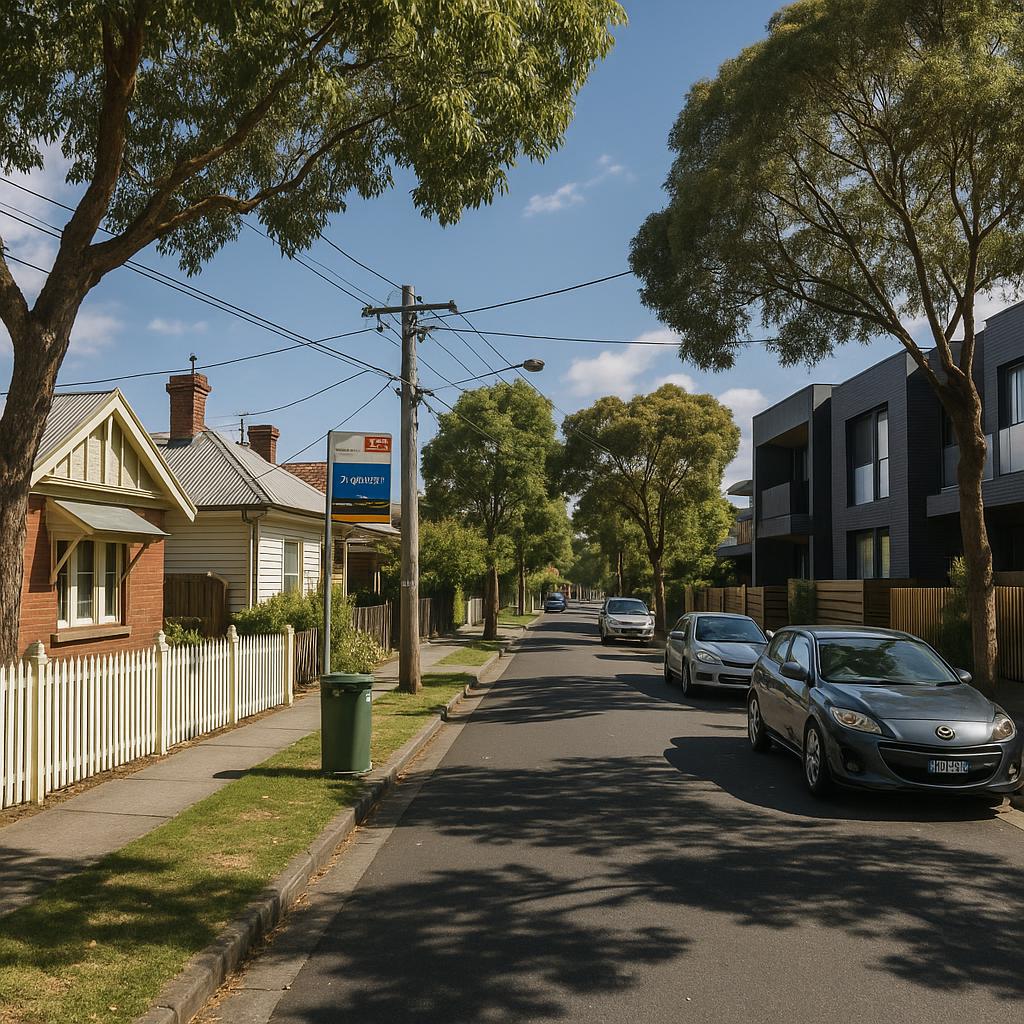
Preston is an established inner-north suburb with a practical, high-demand profile rather than a speculative one. It has a mix of period homes, post-war dwellings, townhouses, and apartments, so the “Preston market” is really several micro-markets in one.
That matters because a quiet residential pocket and a property near a busier corridor can perform very differently. Buyers who focus on liveability tend to gravitate to calmer streets, while convenience-led purchasers and renters often prioritise access to services and transport.
For investors, Preston is best approached as a suburb with multiple demand drivers: location, amenity, and a broad tenant pool. For homeowners, the key is balancing lifestyle benefits with the reality of maintenance, parking, and the specific street environment.
Buyer Demand
Buyer demand in Preston is supported by a rare combination of convenience and everyday practicality. It attracts first-home buyers, upsizers, downsizers, and investors, which helps diversify demand beyond one segment.
In practical terms, the most competitive properties are usually those that solve multiple problems at once: good access to transport, decent outdoor space or floorplan efficiency, and a location that feels pleasant after work, not just close on a map.
Rental Market
Preston is generally attractive to renters because it offers the kind of location many households want but do not need to overspend for. Young professionals, couples, small families, and some shared households are all plausible renter profiles depending on the dwelling type and presentation.
For investors, the strongest rentals usually combine low-maintenance finishes with practical layouts and good access to transport or services. In this suburb, a well-kept apartment or townhouse can be easier to lease than a cheaper property with awkward design, poor light, or weak parking.
Lifestyle, Transport & Schools
Preston’s lifestyle appeal comes from its everyday usefulness. It is the kind of suburb where local shopping, cafes, markets, and community facilities matter because they reduce friction in daily life. That makes it attractive to buyers who want convenience without moving into a highly dense CBD edge location.
Transport is a core part of Preston’s value proposition. Train, tram, and bus options support commuting and local movement, which matters for both renters and owner-occupiers. When assessing a property, check the actual walking route to transport and not just the straight-line distance.
School and family appeal are also part of the equation, but the effect is highly pocket-specific. Families should check catchments, enrolment rules, and commute times through current official sources, then judge whether the surrounding streets, noise levels, and parks suit their day-to-day routine.
Preston (Vic.) Suburb Profile
Official 2021 Census snapshot for the ABS Suburbs and Localities geography.
Age profile
Housing tenure
Occupied private dwellings by tenure type.
Salary & income profile
Median total income reported in the Census.
*Annual figures are weekly median × 52 estimates, not separate ABS annual medians.
Education & qualifications
Highest educational attainment, people aged 15+.
Employment status
People aged 15+ who reported being in the labour force.
Industry of employment
Top responses among employed people aged 15 years and over.
Occupation profile
Broad occupation groups among employed residents, including managers.
Property Type Guide
- Houses: Best for buyers wanting land, renovation potential, and long-term owner-occupier appeal.
- Townhouses: A balanced choice for those wanting more space than an apartment with less upkeep than a detached home.
- Units and apartments: Often the easiest entry point, but building quality, layout, and strata costs deserve close inspection.
- Renovated stock: Can suit buyers who want immediate comfort, provided the upgrades are functional rather than purely cosmetic.
- Original stock: May offer upside, but only if you have budget, patience, and a clear plan for works.
Risks & Watch-Outs
- Do not assume every Preston street offers the same liveability; the gap between pockets can be meaningful.
- Older homes may require more than a fresh paint job, so inspect structure, moisture, services, and renovation quality carefully.
- Properties near traffic, rail, or commercial edges may carry noise and parking trade-offs that affect both resale and rental appeal.
- A low-entry apartment can still be poor value if the building has weak fundamentals, limited light, or high ongoing costs.
- Always review strata documents, building reports, and comparable sales before treating a listing as good value.
Nearby Suburbs to Compare
- Thornbury VIC Property Market Guide: Buyers & Investors
- Northcote VIC Property Market Guide: Buyers & Investors
- Coburg VIC Property Market Guide: Buyers & Investors
- Brunswick VIC Property Market Guide: Buyers & Investors
FAQ
Is Preston good for first-home buyers?
Yes, if you want an inner-north location with multiple property options and strong amenity. The trade-off is that the best-located homes can be competitive, so first-home buyers should focus on layout, upkeep, and street quality rather than chasing the cheapest listing.
Is Preston a good suburb for investors?
It can be, because the suburb has broad tenant appeal and practical commuter advantages. Investors should still be selective: choose a dwelling type that is easy to lease, easy to maintain, and supported by solid building fundamentals or a strong street position.
What type of property is best in Preston?
There is no single best option. Houses generally suit long-term capital growth and owner-occupier demand, while townhouses and good apartments may suit lower-maintenance strategies. The right choice depends on your budget, holding period, and willingness to manage maintenance.
Is Preston family-friendly?
Yes, particularly in quieter residential pockets with access to parks, schools, and daily services. Families should test the actual walkability, traffic exposure, and school access for the specific address, because family appeal can change noticeably from one street to the next.
What should I inspect before buying in Preston?
Check noise, parking, natural light, storage, renovation quality, and the condition of nearby properties. For apartments, add strata records, building maintenance, and ongoing fees. For houses, look beyond presentation and assess structure, services, and long-term maintenance requirements.
Conclusion
Preston stands out as a suburb where practical convenience and lifestyle value overlap. That makes it appealing to both homeowners and investors, but the best outcomes come from careful property selection, not a generic “buy in Preston” approach. Compare streets, dwelling types, and holding costs before making an offer.
Sources & how to verify
- Check current listing history and comparable sales on Domain so you can test whether a property is priced above or below recent market evidence.
- Review active listings and rental asking rents on realestate.com.au to confirm how much competition exists for your preferred property type.
- Use the VicRoads network information to understand major roads, traffic patterns, and access routes that may affect liveability.
- Confirm zoning, overlays, and planning controls through Victorian Planning before assuming renovation or redevelopment potential.
- Check school details and catchment information via the Find My School service rather than relying on marketing claims.
- Use ABS data for broad demographic context, but remember it is only a starting point and not a substitute for suburb-level inspection.
- Review local council planning pages and current permit activity to identify nearby developments that could affect amenity, traffic, or future supply.
- Inspect the property in person at different times of day, because maps and photos will not reveal noise, parking pressure, or streetscape quality.