Quick Answer
Balwyn is generally best understood as a blue-chip eastern Melbourne suburb where family demand, school access, and established streetscapes matter more than chasing bargain prices. It tends to suit buyers who value long-term desirability, quality housing, and a stable owner-occupier market. Investors usually look here for resilient tenant demand and capital-growth characteristics rather than standout yields. The smartest buyers focus on pocket, property type, and presentation, because those factors can materially change outcomes within the same suburb.
Key Takeaways
- Balwyn typically appeals to buyers wanting prestige, established amenity, and a suburb with strong family credentials.
- Owner-occupiers often drive competition, which can support well-located homes with broad long-term appeal.
- Investors usually favour quality tenant demand and lower-vacancy-style appeal over chasing high rental yields.
- Street quality, school access, and transport convenience can matter as much as the headline suburb name.
- Best results come from comparing properties carefully, because house, townhouse, and apartment performance can differ sharply.
Pros & Cons
Pros
- Strong family-oriented reputation and enduring prestige appeal
- Established housing stock with good potential for land-value driven outcomes
- Broad lifestyle amenity that supports both owner-occupier and tenant demand
Cons
- Entry can be expensive relative to many Melbourne suburbs, especially for larger homes
- Some stock needs substantial updating, which can lift total purchase cost quickly
- Busy roads, awkward layouts, or weak strata can reduce value despite the postcode
Market Overview
Balwyn is an established inner-to-middle eastern Melbourne suburb with a reputation built on family appeal, schooling access, and long-held residential ownership. It is the kind of market where buyers often pay for location certainty, not just floorplan size. That means the best assets are usually the ones with quiet streets, solid land value, and a layout that suits modern living.
The suburb’s market character is shaped by owner-occupiers, renovation activity, and the appeal of nearby amenities rather than short-term speculation. Buyers should expect meaningful variation from pocket to pocket: a renovated family home near amenity can feel very different from an older apartment or a dwelling on a busier connector road. In Balwyn, the micro-location often matters as much as the suburb name.
For investors and homeowners alike, Balwyn rewards a disciplined approach. The most desirable properties are usually those that balance livability, maintenance quality, and future resale depth. If you are buying here, think in terms of long-term household demand, not just the listing description.
Buyer Demand
Demand in Balwyn is typically driven by families, upsizers, downsizers, and buyers who want a reputable eastern-suburb address. School access, local amenity, and the feel of the street all play a role in how quickly a property attracts interest.
In practical terms, homes with flexible family layouts, strong presentation, and easy access to transport or shopping tend to draw broader competition. Investors should note that this is often a “quality-first” market: tenant interest can be solid, but the better long-term story is usually capital preservation and resale depth.
Rental Market
Balwyn generally appeals to tenants who want a comfortable, well-connected suburb with a strong reputation. That often includes families, professionals, and long-term renters who value consistency over novelty. Well-kept homes and low-maintenance dwellings tend to be easier to lease than properties that need work or have awkward layouts.
For landlords, the main question is whether the property offers practical everyday living. A good townhouse, a tidy apartment near amenity, or a renovated house with sensible storage and parking can all attract interest. As always, verify current asking rents and recent leased comparables on live portals before relying on any estimate.
Lifestyle, Transport & Schools
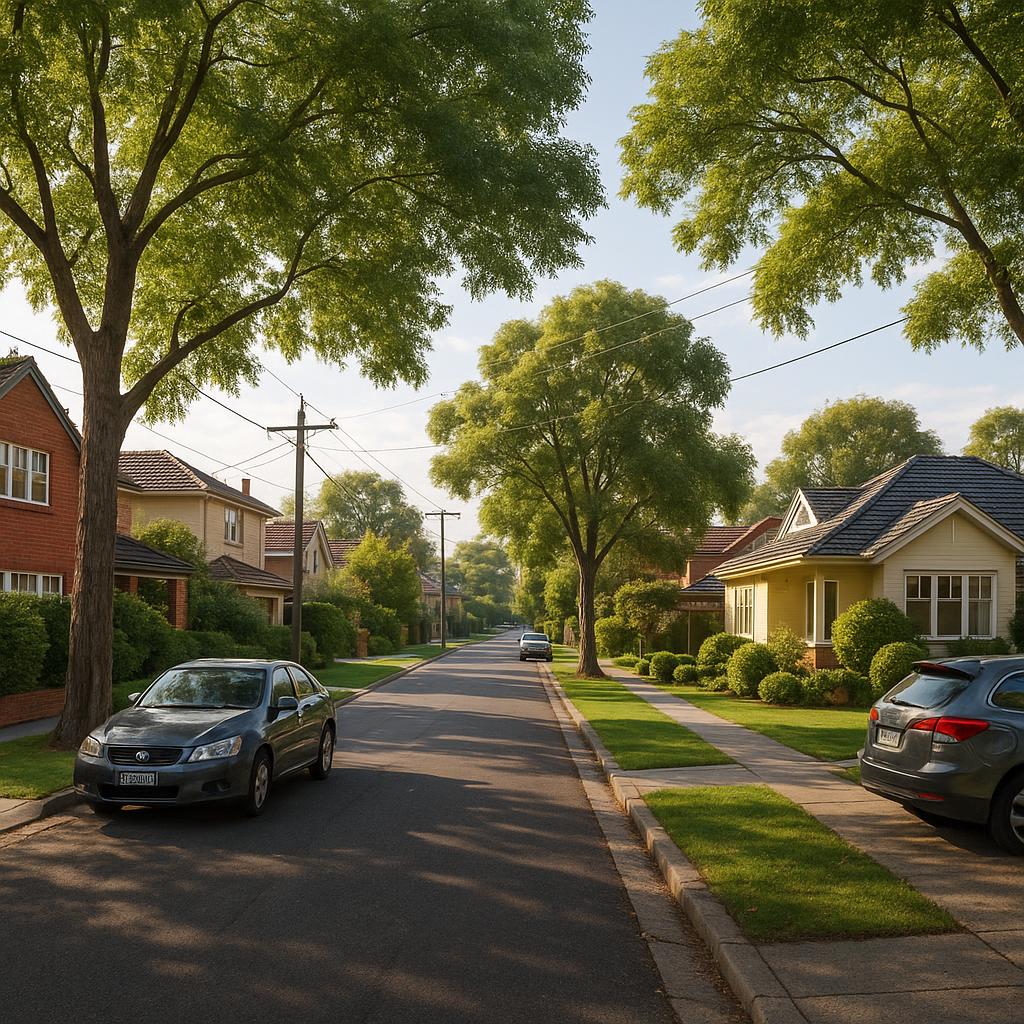
Balwyn’s lifestyle appeal sits in its established suburban feel: tree-lined streets, local shopping strips, parks, and a calm residential environment that many families prefer. It is not about nightlife or novelty; it is about day-to-day ease, school runs, and a settled neighbourhood character.
Transport access should be checked carefully by street, not just by suburb name. Buyers should test the actual walk to public transport, peak-hour traffic patterns, and how easily the property links to work, school, and weekend routines. For many households, that practical commute test is more important than a map pin.
Schools are a major part of Balwyn’s demand profile, and buyers often pay close attention to official enrolment boundaries and the real commute from a specific address. A home that works for family logistics can enjoy stronger resale depth, especially if it also has good parking, a usable floorplan, and quiet surroundings.
Balwyn Suburb Profile
Official 2021 Census snapshot for the ABS Suburbs and Localities geography.
Age profile
Housing tenure
Occupied private dwellings by tenure type.
Salary & income profile
Median total income reported in the Census.
*Annual figures are weekly median × 52 estimates, not separate ABS annual medians.
Education & qualifications
Highest educational attainment, people aged 15+.
Employment status
People aged 15+ who reported being in the labour force.
Industry of employment
Top responses among employed people aged 15 years and over.
Occupation profile
Broad occupation groups among employed residents, including managers.
Property Type Guide
- Houses: Best suited to families and long-term owners seeking land value, renovation potential, and stronger emotional appeal.
- Townhouses: Often a practical middle ground for downsizers and busy households wanting less maintenance than a detached home.
- Apartments: Useful for entry into the suburb or for investors wanting lower-maintenance stock, but building quality matters greatly.
- Renovation candidates: Can reward buyers with time, budget discipline, and a clear end-use plan, especially where land value is strong.
- Knock-down-rebuild sites: Appeal to buyers seeking a custom family outcome, but approvals, costs, and site suitability must be checked carefully.
Risks & Watch-Outs
- Do not assume a premium suburb automatically means every property will outperform; street quality and building condition still matter.
- Older homes can carry hidden upgrade costs for wiring, plumbing, insulation, or moisture issues, so inspect thoroughly.
- Apartment buyers should scrutinise strata records, owner-occupier mix, and building maintenance history before making an offer.
- School access can influence demand, but it should be verified directly because boundaries and preferences can change.
- Busy roads, awkward access, or compromised parking can reduce resale depth even when the rest of the property looks strong.
Nearby Suburbs to Compare
- Camberwell VIC Property Market Guide: Buyers & Investors
- Kew VIC Property Market Guide: Buyers & Investors
- Box Hill VIC Property Market Guide: Buyers & Investors
- Hawthorn VIC Property Market Guide: Buyers & Investors
- Doncaster VIC Property Market Guide: Buyers & Investors
FAQ
Is Balwyn a good suburb for families?
Yes, Balwyn is widely viewed as family-friendly because it offers established housing, practical amenity, parks, and strong school-oriented demand. The key is to assess the exact street, access routes, and property type, because family appeal can vary block by block.
Is Balwyn better for investors or owner-occupiers?
It can suit both, but it is usually more naturally aligned with owner-occupiers and long-term investors than with yield-focused buyers. Investors here often prioritise tenant quality, low vacancy risk, and capital-growth characteristics over immediate cash flow.
What property type is most popular in Balwyn?
Houses typically carry the strongest prestige and family appeal, while townhouses and apartments can offer lower-maintenance alternatives. The “best” type depends on your objective: land value, convenience, entry price, or holding simplicity.
How important are schools when buying in Balwyn?
Very important, but the practical detail matters more than broad assumptions. Buyers should verify boundaries, commute times, and enrolment rules through official sources, then test whether the home actually supports daily family routines.
Are apartments a good entry point in Balwyn?
They can be, especially for buyers wanting a foothold in a premium suburb. However, apartment quality, strata management, parking, and walkability matter a lot, because a poorly designed building can dilute the suburb’s advantages.
Conclusion
Balwyn suits buyers who value stability, reputation, and long-term liveability. It is not the place to rush a purchase or assume every property is equal. If you focus on pocket, property type, and condition, the suburb can offer strong family appeal and durable investment characteristics. For most buyers, the right Balwyn purchase is the one that aligns tightly with both lifestyle and exit strategy.
Sources & How to Verify
- Check current sold results and active listings on Domain so you can compare Balwyn properties with similar homes rather than relying on broad suburb impressions.
- Review live rental listings on realestate.com.au to verify current tenant demand, property features, and asking-rent differences by dwelling type.
- Use ABS data to understand demographic trends, but treat it as background only because it will not tell you today’s sale or rent price.
- Confirm planning controls and any nearby redevelopment pressure on Whitehorse City Council if you are considering renovation, extension, or knock-down-rebuild potential.
- Check school zones and enrolment details on the Find My School site, because catchments are address-specific and should be verified before purchase.
- Test travel times and route practicality using Public Transport Victoria so you understand how the property performs on weekdays, not just on maps.
- Compare recent auction and private-sale behaviour across multiple nearby properties, because Balwyn pricing is often driven by exact street quality and presentation rather than suburb averages.
- Before making an offer, inspect the dwelling, review strata documents if relevant, and confirm your assumptions with a local conveyancer or buyer’s agent.