Quick Answer
Camberwell is a blue-chip eastern Melbourne suburb that usually suits family buyers, owner-occupiers, downsizers, and long-term investors who value established amenity and durable demand. It is generally not a suburb for bargain hunting; the market tends to reward quality, location, and liveability more than speculative timing. If you want a long-term hold with strong lifestyle appeal, Camberwell is often worth a close look.
Key Takeaways
- Camberwell is typically viewed as a premium inner-east / middle-ring suburb with strong family appeal and enduring prestige.
- Demand often comes from upsizers, school-focused families, downsizers, and investors seeking stable tenant profiles rather than fast turnover.
- Established streets, transport access, and village-style amenity help support long-term desirability across multiple property types.
- Well-presented homes in quieter pockets usually attract more competition than properties compromised by traffic, noise, or poor layout.
- Camberwell often rewards patient, quality-focused buyers who are willing to pay for position, condition, and future flexibility.
Pros & Cons
Pros
- Strong family appeal and broad buyer interest.
- Attractive mix of period homes, townhouses, and apartments.
- venient transport connections and mature local amenity.
Cons
- Entry prices can be demanding for many buyers.
- Older homes may require renovation budgets and ongoing maintenance.
- Some apartment stock offers less land value exposure.
Market Overview
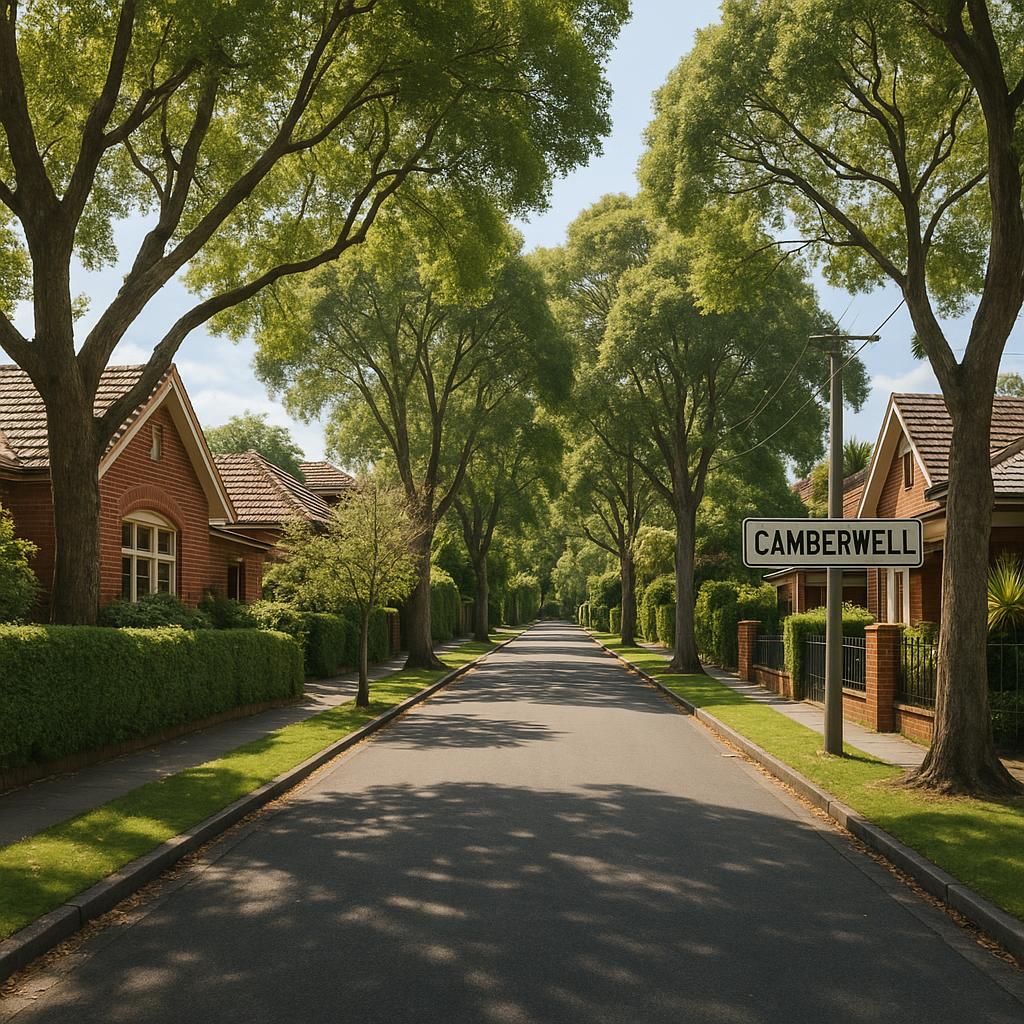
Camberwell is an established Melbourne eastern suburb with leafy streets, long-standing owner-occupier appeal, and a mature amenity base. Its market profile is shaped by buyers seeking permanence: families, professionals planning ahead, and downsizers who want convenience without losing prestige. That usually means the strongest competition sits around well-located homes, not the most heavily discounted listing.
In practical terms, Camberwell tends to suit buyers who can be selective. The suburb’s reputation, transport options, and school-oriented demand support resilience, but condition, street quality, and layout still matter enormously. A “Camberwell address” alone is not enough; the best results usually come from the right pocket, the right dwelling type, and a realistic renovation or holding strategy.
For investors, the suburb is usually more about dependable tenancy and capital preservation than chasing high gross yield. For homeowners, it is often about lifestyle certainty: a suburb people move to for the long game, then stay in because the daily routine works.
Buyer Demand
Camberwell attracts a broad but fairly defined buyer pool: upgrading families, professional couples, downsizers, and investors who want enduring appeal. That mix matters because it keeps demand relatively diverse across market cycles, especially for homes that are easy to live in and easy to explain to the next buyer.
The strongest demand usually centres on well-kept family homes, quality townhouses, and apartments that are close to transport and amenity. Buyers often compare the suburb not just on price, but on how it supports school runs, commuting, weekend routines, and long-term liveability.
Rental Market
Camberwell’s rental demand tends to come from households wanting an established eastern-suburb lifestyle without committing to a purchase immediately. That can include families between homes, professionals, and tenants who value access to transport, services, and a quieter suburban setting.
For landlords, the key consideration is asset quality. Functional layouts, parking, usable outdoor space, and sensible access to transport generally matter more than cosmetic features alone. Investors should check current rental listings and recent leased results to confirm the local tenant pool and assess whether a property’s rent will justify its holding costs.
Lifestyle, Transport & Schools
Camberwell’s lifestyle appeal comes from its settled character: shopping strips, cafés, services, parks, and a generally family-friendly rhythm. It feels more established than “up-and-coming,” which is often exactly why buyers value it. The suburb suits people who want convenience and routine rather than a constantly changing inner-city environment.
Transport is a major part of the equation. Train and tram access widen the buyer and tenant pool, especially for commuters who want alternatives to driving. Road access is useful too, but peak-hour congestion is a real-life consideration, so buyers should test travel patterns at the times they would actually use them.
School access is another common driver of demand, but buyers should verify zoning and enrolment details directly through official sources before relying on assumptions. In Camberwell, education demand can materially influence competition for certain streets and housing types, so the school question is worth checking early in the search process.
Camberwell (Vic.) Suburb Profile
Official 2021 Census snapshot for the ABS Suburbs and Localities geography.
Age profile
Housing tenure
Occupied private dwellings by tenure type.
Salary & income profile
Median total income reported in the Census.
*Annual figures are weekly median × 52 estimates, not separate ABS annual medians.
Education & qualifications
Highest educational attainment, people aged 15+.
Employment status
People aged 15+ who reported being in the labour force.
Industry of employment
Top responses among employed people aged 15 years and over.
Occupation profile
Broad occupation groups among employed residents, including managers.
Property Type Guide
- Period homes: Best for buyers wanting character, land, and renovation potential; budget carefully for maintenance, compliance, and extension feasibility.
- Townhouses: Often suit busy professionals, downsizers, and smaller families wanting lower maintenance and broad liveability.
- Apartments: Can be a practical entry point, but building quality, noise, parking, and owner-occupier mix matter a lot.
- Renovation candidates: Look for solid bones, workable block shape, and extension potential rather than paying a premium for superficial styling.
Risks & Watch-Outs
- Do not pay a prestige premium without checking the property’s actual livability, layout, and condition.
- Older homes can hide significant renovation, compliance, and maintenance costs that are easy to underestimate.
- Busy roads, rail noise, and parking pressure can reduce day-to-day enjoyment and weaken buyer competition.
- Some apartment stock has limited land value exposure, so not every “cheap entry” is a strong long-term asset.
- School-zone assumptions should always be verified directly, because catchments and enrolment rules matter.
Nearby Suburbs to Compare
- Hawthorn VIC Property Market Guide: Buyers & Investors
- Kew VIC Property Market Guide: Buyers & Investors
- Balwyn
- Glen Iris
- Canterbury
FAQ
Is Camberwell a good suburb for families?
Yes. Camberwell is widely favoured by family buyers because it combines established housing, transport convenience, and a strong everyday amenity base. The key is choosing a pocket that suits school runs, parking needs, and the amount of maintenance you are willing to manage.
Is Camberwell better for buyers or investors?
It can work for both, but it is often stronger as a lifestyle purchase than as a yield-focused investment. Buyers usually value the suburb for long-term liveability, while investors should focus on holding quality, tenant appeal, and the likelihood of resilient resale demand.
What property type is most desirable in Camberwell?
That depends on the buyer profile. Well-located family homes often attract the broadest competition, while quality townhouses can appeal to downsizers and time-poor households. Apartments can work too, but only if building quality, layout, and location are genuinely strong.
Is Camberwell expensive?
It is generally regarded as a premium eastern suburb, so buyers should expect competition and should budget carefully for total ownership costs. To verify current conditions, compare recent sold results and live listings rather than relying on reputation alone.
Are apartments a good choice in Camberwell?
They can be, especially for buyers wanting lower-maintenance living or investors seeking a manageable asset. However, apartment quality varies widely, so check the building, car parking, owner-occupier mix, noise exposure, and long-term resale appeal before committing.
Conclusion
Camberwell is best understood as a durable, prestige-leaning eastern suburb rather than a short-term trading opportunity. It suits buyers who value established streets, transport access, and broad family appeal. For investors and homeowners alike, the winning approach is simple: compare pockets carefully, assess the dwelling on its merits, and think long term.
Sources & How to Verify
- Check current sold and rental evidence on Domain so you are working from live market data rather than general suburb reputation.
- Use realestate.com.au to compare active listings, floorplans, and price guides across similar Camberwell property types.
- Review official transport information on Public Transport Victoria to confirm current tram and train services before judging commute convenience.
- Check planning and zoning information through Victoria’s planning resources if you are considering renovation, extension, or redevelopment.
- Verify school zones and enrolment rules directly via Find My School rather than relying on assumptions, hearsay, or old catchment maps.
- Use the ABS if you want to check broader demographic context, but remember that census data is directional, not a substitute for current market evidence.
- Consult the relevant local council website for local amenity, planning overlays, and capital works information that may affect liveability or future development potential.
- Confirm nearby services and access patterns by cross-checking local maps, site visits, and inspection times, because real-world traffic, noise, and parking can differ from marketing copy.