Quick Answer
Hawthorn VIC is a tightly held inner-eastern Melbourne suburb that tends to suit owner-occupiers, family buyers, downsizers, professionals, and investors who prioritise enduring demand over short-term speculation. Its appeal comes from a strong mix of lifestyle convenience, transport access, established housing stock, and proximity to the CBD. The biggest wins usually come from choosing the right property type and micro-location, not just buying into the suburb name.
Key Takeaways
- Hawthorn’s market depth comes from a broad buyer pool, not one single demographic or property type.
- Well-located homes and quality apartments usually attract stronger competition than compromised stock.
- Transport access, streetscape quality, and school proximity can matter as much as the suburb brand.
- Older homes may offer character and land value, but they can bring higher maintenance and renovation costs.
- Investors should focus on tenant-friendly layouts, building quality, and low-friction ownership.
Pros & Cons
Pros
- Strong inner-east reputation and long-term desirability
- Good access to transport, amenity, and employment centres
- Varied stock for families, professionals, downsizers, and investors
Cons
- Entry affordability can be challenging for many buyers
- Older homes and some apartments can carry higher ownership complexity
- Premium pockets can reward careful selection but punish poor due diligence
Market Overview
Hawthorn is an established inner-eastern suburb with a stable, high-amenity profile that appeals to buyers who want convenience without sacrificing residential character. It typically attracts a mix of professionals, families, downsizers, and investors, with demand shaped more by dwelling type and street-level qualities than by broad suburb averages.
The local market is usually strongest where a property combines walkability, transport access, and a practical layout. In Hawthorn, a renovated period home, a well-kept apartment, and a newer townhouse can each compete in different buyer pools, so “good value” depends heavily on the intended use and future resale audience.
For investors and homeowners, the main decision point is whether the property suits your holding strategy. Hawthorn can reward patience, but it usually favours buyers who assess the asset carefully, compare against nearby stock, and understand the trade-off between charm, maintenance, and liveability.
Buyer Demand
Demand in Hawthorn is underpinned by a wide buyer base: owner-occupiers chasing an established lifestyle, families seeking amenity and education access, and professionals wanting a manageable commute. That diversity can help support liquidity, especially for properties that are well presented and sensibly priced against comparable local stock.
The strongest interest often goes to properties that are easy to live in and easy to resell later. A quiet street, good natural light, sensible floorplan, and proximity to transport or daily needs can lift enquiry materially, while awkward layouts, dated interiors, or poor building quality can narrow the buyer pool quickly.
Rental Market
Hawthorn is generally attractive to renters who want inner-suburban convenience, access to transport, and a more established streetscape than many newer areas. Low-maintenance apartments and units often work well for tenants seeking practicality, while larger homes may appeal to households that value space and location.
For investors, the key is not just vacancy risk but operational ease. A property with sensible layout, decent storage, good access, and manageable ongoing costs is usually easier to hold than a “pretty” asset that needs constant repairs, has awkward parking, or sits in a poorly managed complex.
Lifestyle, Transport & Schools
Hawthorn offers an inner-urban lifestyle with cafés, local shopping, parks, and a generally mature residential feel. That combination tends to support both owner-occupier and tenant demand because it delivers everyday convenience without the intensity of the central city.
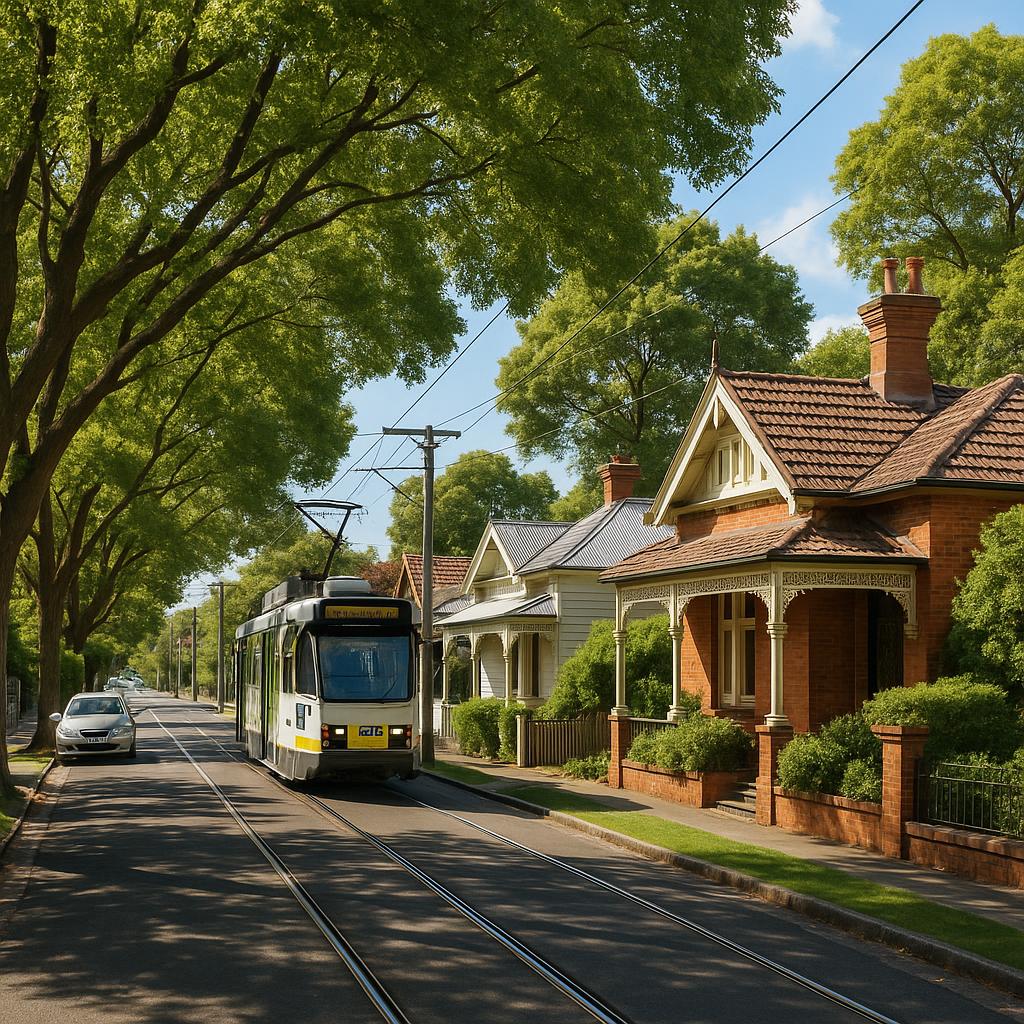
Transport is a major part of the suburb’s appeal, with rail and tram access helping residents commute to the CBD and nearby employment centres. For buyers, this broadens the market; for investors, it can help maintain rental interest from professionals, students, and downsizers.
School access is another driver for family buyers, but it should never be assumed. Check official zoning and enrolment rules directly before relying on a school in your buying decision, as a single boundary line can materially change demand for a street or pocket.
Hawthorn (Vic.) Suburb Profile
Official 2021 Census snapshot for the ABS Suburbs and Localities geography.
Age profile
Housing tenure
Occupied private dwellings by tenure type.
Salary & income profile
Median total income reported in the Census.
*Annual figures are weekly median × 52 estimates, not separate ABS annual medians.
Education & qualifications
Highest educational attainment, people aged 15+.
Employment status
People aged 15+ who reported being in the labour force.
Industry of employment
Top responses among employed people aged 15 years and over.
Occupation profile
Broad occupation groups among employed residents, including managers.
Property Type Guide
- Period homes: Strong character and land appeal, but inspect carefully for renovation scope, maintenance, and compliance issues.
- Townhouses and newer infill homes: Often suit families and downsizers wanting lower maintenance, but build quality and layout matter greatly.
- Apartments and units: Can suit investors and first-home buyers, but body corporate health, noise, parking, and building age need scrutiny.
- Best-fit rule: Buy the dwelling type that matches your likely future buyer or tenant, not only your current lifestyle preference.
Risks & Watch-Outs
- Overpaying for prestige without checking comparable sales in the immediate pocket.
- Assuming all apartments are low-maintenance when strata quality can vary widely.
- Underestimating restoration costs in older homes, especially where original services remain.
- Ignoring noise, privacy, or traffic exposure near busy roads and tram corridors.
- Focusing on suburb reputation while overlooking the building, street, and exact floorplan.
Nearby Suburbs to Compare
- Toorak VIC Property Market Guide: Buyers & Investors
- Richmond VIC Property Market Guide: Buyers & Investors
- South Yarra VIC Property Market Guide: Buyers & Investors
- Camberwell
- Kew
FAQ
Is Hawthorn a good suburb for property buyers?
Yes, Hawthorn is often a strong choice for buyers who value location, amenity, and long-term desirability. The best results usually come from choosing the right property type and street, then verifying condition, transport access, and future resale appeal.
Is Hawthorn a good suburb for investors?
It can be, especially for investors who prioritise tenant demand, lower vacancy risk, and broad appeal. The suburb is strongest for properties that are practical to lease and easy to maintain, rather than assets that rely on novelty or speculative uplift.
What type of property performs best in Hawthorn?
There is no single best performer, because performance depends on the strategy. Well-located apartments often suit tenants and low-maintenance investors, while period homes can suit family buyers who value character and land, provided renovation and holding costs are understood.
What should I check before buying in Hawthorn?
Check comparable sales, building condition, strata records if relevant, transport proximity, zoning, overlays, and whether the home suits your likely future buyer. In Hawthorn, small differences in street quality and dwelling quality can significantly affect competition and resale.
How important are schools in Hawthorn?
School access can matter a lot to family buyers, but it should be verified directly through official zoning and enrolment sources. Never rely on assumptions, because school-related demand is highly location-specific and can change by address, not just suburb.
Conclusion
Hawthorn VIC remains a compelling inner-eastern suburb for buyers and investors who want enduring appeal, strong amenity, and a broad market of future end-users. The key is to buy selectively. Match the dwelling to your strategy, assess the exact pocket, and verify condition, costs, and demand drivers before committing.
Sources & How to Verify
- Check current sold results and active listings on Domain so you can compare Hawthorn asking prices with real market evidence.
- Use realestate.com.au to review rental listings, floorplans, and property type supply before assuming a suburb-wide rental picture.
- Confirm planning controls and overlays through Victoria’s planning permits information if you are considering renovations, extensions, or redevelopment.
- Verify school zoning and eligibility on Find My School rather than relying on hearsay or old marketing material.
- Review local amenity and planning context on the local council website if you want to understand nearby projects, services, and planning expectations.
- Use Public Transport Victoria to confirm current train and tram access, service patterns, and station details before assuming commute convenience.
- Ask for body corporate records, sinking fund details, and meeting minutes for apartment purchases so you can assess hidden costs and building health.
- Cross-check any price guide or yield claim against multiple current sources, because suburb conditions and micro-market performance change over time.