Quick Answer
Doncaster is a well-established eastern Melbourne suburb that suits buyers who want convenience, family appeal, and a stronger sense of suburban permanence. It is typically a better fit for households prioritising amenity, access, and liveability than for buyers chasing cheap entry or a highly walkable train-line lifestyle. For investors, the suburb’s appeal usually sits in durable tenant demand, practical housing stock, and long-term desirability rather than headline yield.
Key Takeaways
- Doncaster appeals to family buyers, upsizers, downsizers, and investors who value convenience, established amenity, and repeat demand.
- The suburb’s strength is its combination of shopping, transport access, schooling access, and a broadly recognised eastern suburbs profile.
- Property type matters: houses, townhouses, and apartments each serve different buyer strategies and tenant profiles here.
- Micro-location is critical because traffic exposure, street character, and proximity to amenity can materially change liveability.
- Verify current sales, rental listings, and catchment details before acting, because local conditions can shift by pocket and by dwelling type.
Pros & Cons
Pros
- Strong everyday amenity with major retail, services, and practical convenience.
- Broad appeal to families and professionals supports resale confidence.
- Multiple dwelling types give buyers and investors strategic flexibility.
Cons
- Entry costs can be higher than more outer suburban alternatives.
- Traffic and road exposure can noticeably affect liveability in certain pockets.
- Apartments and townhouses require careful checking of strata, quality, and future supply.
Market Overview
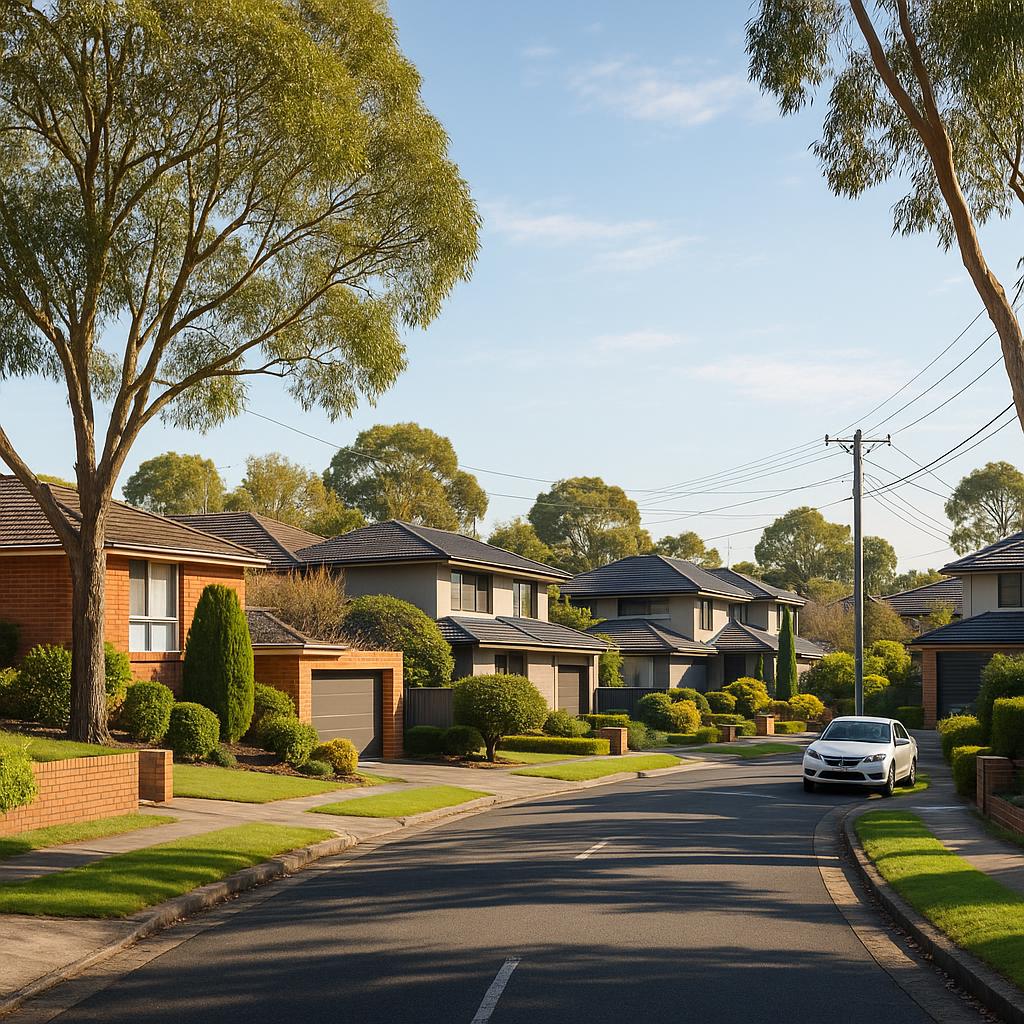
Doncaster sits in Melbourne’s eastern suburbs as an established, amenity-rich location with a strong family-oriented reputation. Its market character is shaped by convenience, access to major retail, good road connectivity, and a housing mix that can suit both owner-occupiers and investors.
What matters most here is not just the suburb name, but the asset and the pocket. A quiet residential street, a townhouse near amenity, and an apartment close to services can each perform very differently. Buyers should verify current sold evidence, the surrounding stock profile, and whether demand is being driven by families, downsizers, or convenience-led renters.
In practical terms, Doncaster often behaves like a “needs-based” suburb. People move here for space, access, schooling options, and a more settled suburban lifestyle, which can support repeat demand over time.
Buyer Demand
Buyer demand is usually broad rather than niche. Families, upsizers, downsizers, and investors all have reasons to look at Doncaster, which helps create a wider buyer pool when a property is well located and well presented.
Demand tends to be strongest for homes that solve everyday problems: parking, functional layouts, low-maintenance outdoor space, and convenient access to shopping, transport, and schools. Renovated homes and well-located townhouses often attract strong attention because they reduce friction for busy households.
Rental Market
Doncaster’s rental appeal usually comes from convenience, not novelty. Tenants are often looking for a manageable commute, easy access to services, and a property that supports family routines or low-maintenance living.
For investors, that means the strongest rental candidates are often practical apartments, townhouses, and smaller houses in good pockets. Check current listings and recent leases to see what features are consistently being rewarded, such as secure parking, a usable floorplan, and proximity to everyday amenity.
Lifestyle, Transport & Schools
Doncaster’s lifestyle appeal is based on convenience. Major shopping and service access make day-to-day life simpler, while many residential streets still offer a recognisably suburban feel. That balance is a major reason the suburb attracts families and long-term residents.
Transport is important here because road access is a core part of how the suburb functions. Buyers should test commute times in peak traffic and assess whether a property’s exact location improves or weakens daily practicality. Some pockets will feel far more convenient than others.
Schools are a meaningful demand driver, especially for family buyers. Always verify catchments, enrolment rules, and current school information directly with official sources and individual schools, because boundaries and processes can influence both buyer competition and tenant interest.
Doncaster Suburb Profile
Official 2021 Census snapshot for the ABS Suburbs and Localities geography.
Age profile
Housing tenure
Occupied private dwellings by tenure type.
Salary & income profile
Median total income reported in the Census.
*Annual figures are weekly median × 52 estimates, not separate ABS annual medians.
Education & qualifications
Highest educational attainment, people aged 15+.
Employment status
People aged 15+ who reported being in the labour force.
Industry of employment
Top responses among employed people aged 15 years and over.
Occupation profile
Broad occupation groups among employed residents, including managers.
Property Type Guide
- Houses: Best suited to families and long-term owner-occupiers who want land, privacy, and renovation or extension flexibility.
- Townhouses: Often the most balanced option for busy professionals and downsizers who want less maintenance without losing space.
- Apartments: Can suit investors and entry-level buyers who value convenience and low upkeep, but building quality and strata matter greatly.
- Best strategy: Match the dwelling to the likely local buyer or tenant, not just your budget, and assess resale appeal before committing.
Risks & Watch-Outs
- Busy-road exposure can reduce liveability, even when the property is close to desirable amenity.
- Apartment buyers should check strata levies, building condition, and any sign of oversupply in nearby stock.
- Townhouse purchasers need to review owners corporation rules, shared maintenance, and access arrangements carefully.
- Older houses may require meaningful updating, especially if buyers want modern functionality and energy efficiency.
- Do not assume the suburb name alone guarantees performance; street quality and dwelling type still drive outcomes.
Nearby Suburbs to Compare
- Box Hill VIC Property Market Guide: Buyers & Investors
- Glen Waverley VIC Property Market Guide: Buyers & Investors
- Camberwell VIC Property Market Guide: Buyers & Investors
- Kew VIC Property Market Guide: Buyers & Investors
- Templestowe
- Doncaster East
FAQ
Is Doncaster a good suburb for families?
Yes, Doncaster is often attractive to families because it combines amenity, practical transport access, and a suburban lifestyle with enough space for day-to-day living. Families should still inspect each pocket carefully, because road noise, walkability, and school access can vary meaningfully street by street.
Is Doncaster a good suburb for investors?
It can be, especially for investors who value durable tenant demand and a suburb with broad appeal. The best results usually come from buying a property that suits the local rental audience, such as a low-maintenance townhouse or well-positioned apartment with strong practical features.
What property type performs best in Doncaster?
There is no single winner. Houses tend to suit long-term family demand, townhouses can offer a strong balance of space and ease, and apartments may suit investors seeking lower-maintenance assets. The right choice depends on location, quality, and your holding strategy.
How important are schools in Doncaster?
Very important for many buyers, particularly families planning to stay longer term. School access can support demand, but buyers should verify current zones, enrolment rules, and official school information before relying on assumptions. Catchments can influence competition and resale appeal.
What should buyers check before purchasing in Doncaster?
Inspect the street at different times, test traffic and commute patterns, review the floorplan, and confirm whether the property is near busy roads or commercial activity. Also check strata, renovations, and the likely buyer or tenant profile for that exact dwelling.
Conclusion
Doncaster is a strong suburban option for buyers and investors who value established amenity, broad market appeal, and practical everyday convenience. The key is to buy with discipline: choose the right pocket, the right dwelling type, and the right level of maintenance for your goals. In Doncaster, micro-location and property selection matter just as much as the suburb itself.
Sources & How to Verify
- Check current sold results and active listings on Domain to see how asking prices, property type, and presentation compare in real time.
- Review current sales evidence and suburb-level listing patterns on realestate.com.au before relying on any broad market impression.
- Use Australian Bureau of Statistics data to understand broad demographic and housing context, but avoid treating older census snapshots as current market data.
- Confirm local planning and zoning information through Whitehorse City Council so you understand redevelopment pressure, land use, and permit considerations.
- Verify school zones, enrolment rules, and catchment boundaries directly with Find My School before making family-buying decisions.
- Check road and public transport assumptions using Public Transport Victoria so commute expectations are based on current routes and timetables.
- Assess broader suburb profile and recent local commentary against current listings, then cross-check any headline market claim with at least two independent sources.