Quick Answer
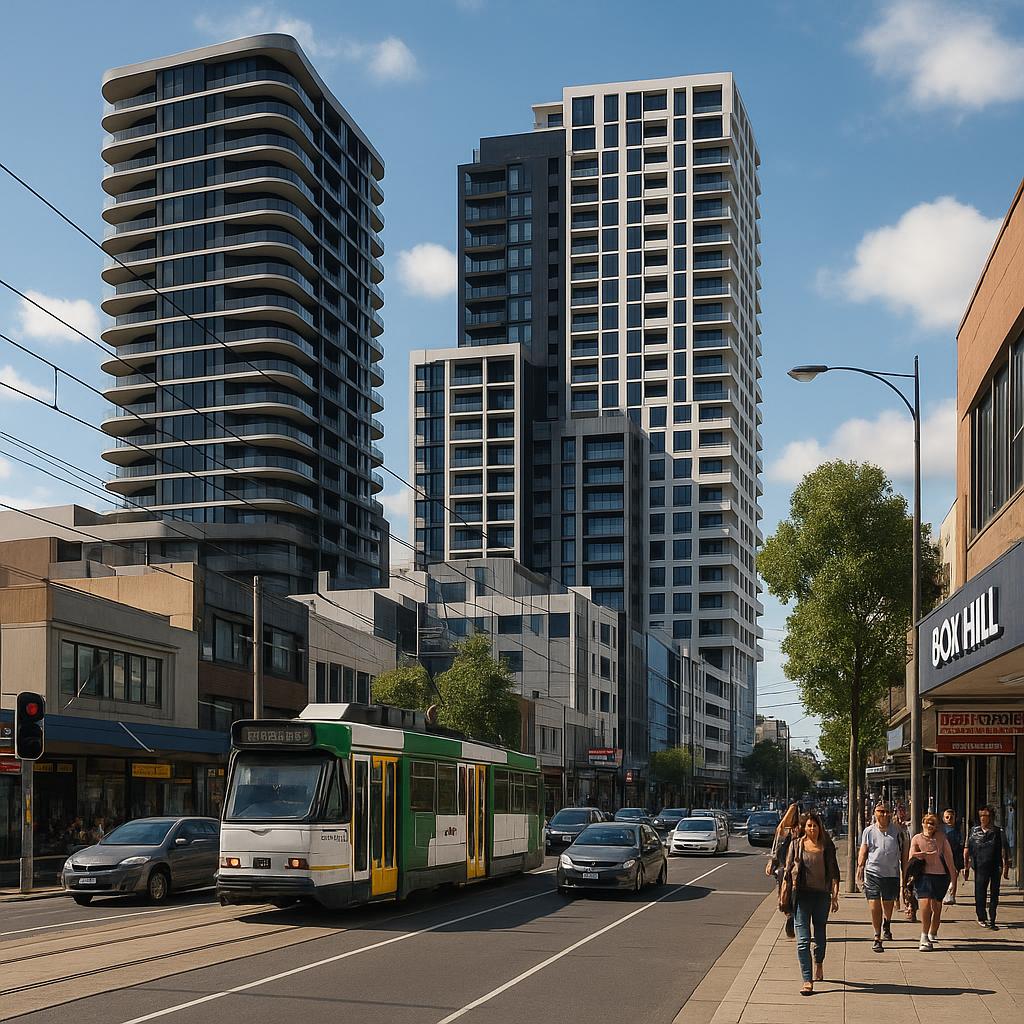
Box Hill is one of Melbourne’s most practical eastern suburbs for buyers who value transport, everyday convenience, and a broad mix of housing. It suits investors seeking steady rental demand, first-home buyers who want an established location, and downsizers wanting low-maintenance living close to services. The main trade-off is that quality varies sharply by building and street, so success depends on choosing the right micro-location and property type rather than buying “Box Hill” generically.
Key Takeaways
- Box Hill appeals to buyers who want a busy, connected suburb with strong day-to-day convenience and broad lifestyle access.
- Apartments dominate the centre, but townhouses and detached homes still matter for buyers wanting more space or privacy.
- Investor demand is supported by tenant depth, especially for low-maintenance homes near transport and the activity centre.
- Street selection matters because noise, parking, and building quality can materially affect liveability and resale.
- Compare Box Hill with nearby eastern suburbs if your priority is land, quiet streets, or a more traditional residential feel.
Pros & Cons
Pros
- Excellent transport convenience for commuters and renters.
- Strong everyday amenity, including shopping, dining, health, and services.
- Wide buyer appeal across investors, first-home buyers, and downsizers.
Cons
- Apartment supply can create competition between similar listings.
- Strata fees, defects, and building quality need close review.
- Busy roads and commercial activity can reduce peace and parking ease in some pockets.
Market Overview
Box Hill is an established inner-eastern Melbourne suburb built around a major activity centre, so it behaves more like a mixed-use precinct than a simple residential pocket. That matters for buyers because the experience changes significantly from one street or building to the next: central apartment living, quieter townhouse pockets, and older detached homes all sit within the broader suburb.
The suburb’s strongest market trait is versatility. Investors are often drawn to low-maintenance dwellings near the centre, while owner-occupiers may trade space for convenience or look for quieter pockets just beyond the busiest blocks. In practical terms, Box Hill rewards buyers who can read the map carefully rather than relying on the suburb name alone.
For property decisions, think in layers: proximity to the centre, building or dwelling quality, and the street environment. A smaller home in the right location may outperform a larger one in a compromised pocket if the buyer values transport, access, and everyday usability.
Buyer Demand
Demand in Box Hill comes from several directions at once: first-home buyers, investors, downsizers, and some families who want established amenity and strong connectivity. That diversity usually helps support resale liquidity, because the buyer pool is not dependent on one narrow segment.
Owner-occupiers tend to pay for convenience and reduced friction in daily life, especially where they can walk to transport, shops, and services. Investors, meanwhile, often focus on tenant depth and ease of letting, which is why well-located apartments and practical townhouses are usually watched closely. If you want a useful comparison, see the nearby Camberwell VIC Property Market Guide: Buyers & Investors and Hawthorn VIC Property Market Guide: Buyers & Investors.
Rental Market
Box Hill has strong rental appeal because it offers a concentrated amenity base and a property mix that suits low-maintenance tenants. Typical tenant interest often comes from professionals, students, service workers, and couples who prioritise access over land size.
Renters usually respond best to functional layouts, natural light, secure access, and easy proximity to transport and retail. Smaller apartments can lease well if they are well presented and well located, but tenants will still compare building quality, storage, noise, and parking practicality before paying a premium.
Lifestyle, Transport & Schools
Box Hill’s lifestyle appeal is practical rather than aspirational. It offers a busy, urban environment with strong everyday convenience: dining, retail, services, health access, and a sense of being close to everything. That is a major reason many buyers accept less internal space or a busier streetscape.
Transport is one of the suburb’s key strengths, especially for buyers who want a simpler commute and reduced reliance on a car. School access and broader education demand can also support family interest, but buyers should verify current school zones and local intake rules directly rather than assume address-based eligibility.
For many households, Box Hill’s value is time saved: shorter commutes, easier errands, and less logistical friction during the week. That practical advantage can matter more than a larger floorplan, particularly for professionals and downsizers.
Box Hill (Vic.) Suburb Profile
Official 2021 Census snapshot for the ABS Suburbs and Localities geography.
Age profile
Housing tenure
Occupied private dwellings by tenure type.
Salary & income profile
Median total income reported in the Census.
*Annual figures are weekly median × 52 estimates, not separate ABS annual medians.
Education & qualifications
Highest educational attainment, people aged 15+.
Employment status
People aged 15+ who reported being in the labour force.
Industry of employment
Top responses among employed people aged 15 years and over.
Occupation profile
Broad occupation groups among employed residents, including managers.
Property Type Guide
- Apartments: Common near the centre; best for investors, first-home buyers, and downsizers. Check strata records, building quality, layout efficiency, light, and noise exposure.
- Townhouses: Suited to buyers wanting more space without full-house maintenance. Check privacy, parking, storage, body corporate arrangements, and street access.
- Detached homes: Less common near the core but important in surrounding pockets. Best for buyers wanting land, renovation potential, and long-term family flexibility.
- Older stock: Can offer character or upside, but budget for upgrades and maintenance. Verify whether the dwelling’s structure, services, and improvements justify the purchase price.
Risks & Watch-Outs
- Apartment buildings can vary materially in quality, so inspect defects, strata minutes, and levy history before buying.
- Generic layouts may face more resale competition than well-designed homes with strong light, storage, and liveability.
- Busy roads, commercial edges, and peak-hour traffic can affect noise, parking, and overall street appeal.
- Some buyers underestimate ongoing ownership costs such as strata, maintenance, and building-specific compliance items.
- Micro-location matters: two properties in Box Hill can perform very differently depending on access, outlook, and surrounding uses.
Nearby Suburbs to Compare
- Kew VIC Property Market Guide: Buyers & Investors
- Camberwell VIC Property Market Guide: Buyers & Investors
- Hawthorn VIC Property Market Guide: Buyers & Investors
- South Yarra VIC Property Market Guide: Buyers & Investors
- Melbourne VIC Property Market Guide: Buyers & Investors
FAQ
Is Box Hill a good suburb for investors?
Yes, Box Hill can suit investors because it has broad tenant appeal, strong convenience, and a housing mix that supports low-maintenance ownership. The key is avoiding inferior buildings and overpaying for convenience that the market does not consistently reward.
Is Box Hill suitable for first-home buyers?
It can be, especially if the buyer values location and transport more than land size. First-home buyers often find apartments or smaller townhouses most realistic, but they should inspect building quality carefully and compare strata costs before committing.
What is the main property type in Box Hill?
Apartments are a major feature of the central market, but they are not the whole story. Townhouses, units, and detached homes also exist in surrounding pockets, so the right choice depends on budget, lifestyle, and ownership goals.
What should buyers check before purchasing in Box Hill?
Check the building, strata records, parking, natural light, noise exposure, and access routes. For houses or townhouses, also review the street context, maintenance requirements, and whether the property suits long-term resale and rental demand.
How does Box Hill compare with nearby eastern suburbs?
Box Hill is generally more centre-driven and convenience-focused than quieter residential suburbs nearby. That can be an advantage for investors and busy households, while buyers wanting more land, quieter streets, or a different lifestyle may prefer surrounding suburbs.
Conclusion
Box Hill is a strong candidate for buyers who want convenience, transport access, and a suburb with multiple use cases. It is not a one-size-fits-all market, though: property type, building quality, and micro-location will heavily influence outcomes. If you buy with those factors in mind, Box Hill can work well for both lifestyle and long-term ownership.
Sources & how to verify
- Check current listings and sold evidence on Domain to confirm how apartments, townhouses, and homes are actually trading now.
- Review comparable sale history on realestate.com.au and compare only similar property types, not the whole suburb.
- Use ABS to verify demographic context instead of relying on outdated suburb summaries or marketing language.
- Confirm public transport access and service patterns through Public Transport Victoria, especially if commute convenience is part of your buy decision.
- Check school zones and enrolment eligibility on Find My School before assuming a property sits inside a desired catchment.
- Review planning and activity-centre context on the relevant Whitehorse City Council pages to understand local development pressure and amenity changes.
- For apartment purchases, request strata documents and read for defects, special levies, insurance issues, and building rules that may affect livability or tenant demand.