Quick Answer
Kew is generally a premium, established inner-east Melbourne suburb that appeals strongly to owner-occupiers, family buyers, and investors who value long-term resilience over bargain pricing. It suits buyers who want blue-chip fundamentals, quality housing stock, and access to amenity rather than a high-yield strategy. For investors, the main draw is durable tenant demand and strong resale depth. For homeowners, the appeal is lifestyle, education access, and long-term liveability.
Key Takeaways
- Kew is a mature, tightly held suburb with enduring appeal across family, prestige, and low-maintenance buyer segments.
- Demand is driven by owner-occupiers, upsizers, downsizers, and investors seeking stable fundamentals rather than speculative growth.
- Property type matters: houses, townhouses, and apartments each serve different budgets, risk profiles, and lifestyle needs.
- Micro-location is critical in Kew because street quality, school access, and transport convenience can materially shape value.
- Buyers who focus on condition, layout, and long-term usability are usually better placed than those relying on suburb reputation alone.
Pros & Cons
Pros
- Established inner-east prestige with broad long-term appeal.
- Strong family and lifestyle demand across multiple buyer groups.
- Wide mix of housing types for different ownership and investment strategies.
Cons
- Entry costs are typically higher than many middle-ring and outer suburbs.
- Older homes can involve meaningful maintenance or renovation planning.
- Some investments may underperform if the property type does not match local tenant demand.
Market Overview
Kew sits in Melbourne’s inner east and is widely regarded as a premium residential suburb. The market is shaped by established homes, strong owner-occupier sentiment, and a preference for quality streets, land value, and enduring amenity. That usually makes it a suburb where buyers pay for confidence and location depth, not just immediate affordability.
For investors and homeowners, the key point is that Kew behaves like a mature market. Supply is limited, good property is tightly held, and the strongest outcomes usually come from buying the right property type in the right pocket. A renovated family home, for example, can attract both owner-occupiers and long-term renters, while a smaller apartment may provide a lower-maintenance way into the suburb.
Because Kew is not a rapid-release growth corridor, comparison shopping matters. Buyers should assess land, layout, condition, and ongoing costs carefully, then test those features against nearby alternatives such as Hawthorn and Balwyn before making a final decision.
Buyer Demand
Demand in Kew is typically driven by established families, upsizers, downsizers, and buyers seeking a long-term inner-east base. The suburb’s reputation for quality schools, residential amenity, and liveability means buyers often compete for homes that are well located and easy to enjoy from day one.
That demand mix matters because different property types attract different buyer pools. Detached homes tend to draw family buyers focused on space and land, while townhouses and apartments can appeal to professionals, downsizers, and investors wanting lower maintenance. Well-presented properties often have the broadest resale depth.
Rental Market
Kew’s rental appeal is strongest for tenants who value location, convenience, and a high-quality residential environment. That includes professionals, families, and some students or academics connected to nearby education and employment hubs. The rental market is therefore less about chasing headline yield and more about attracting reliable tenants.
Landlords should treat condition and presentation seriously. Heating and cooling, secure parking, functional layouts, and low-maintenance finishes can affect leasing outcomes. A well-renovated apartment or townhouse may rent more smoothly than a larger but dated house if the target tenant values convenience over size.
Lifestyle, Transport & Schools
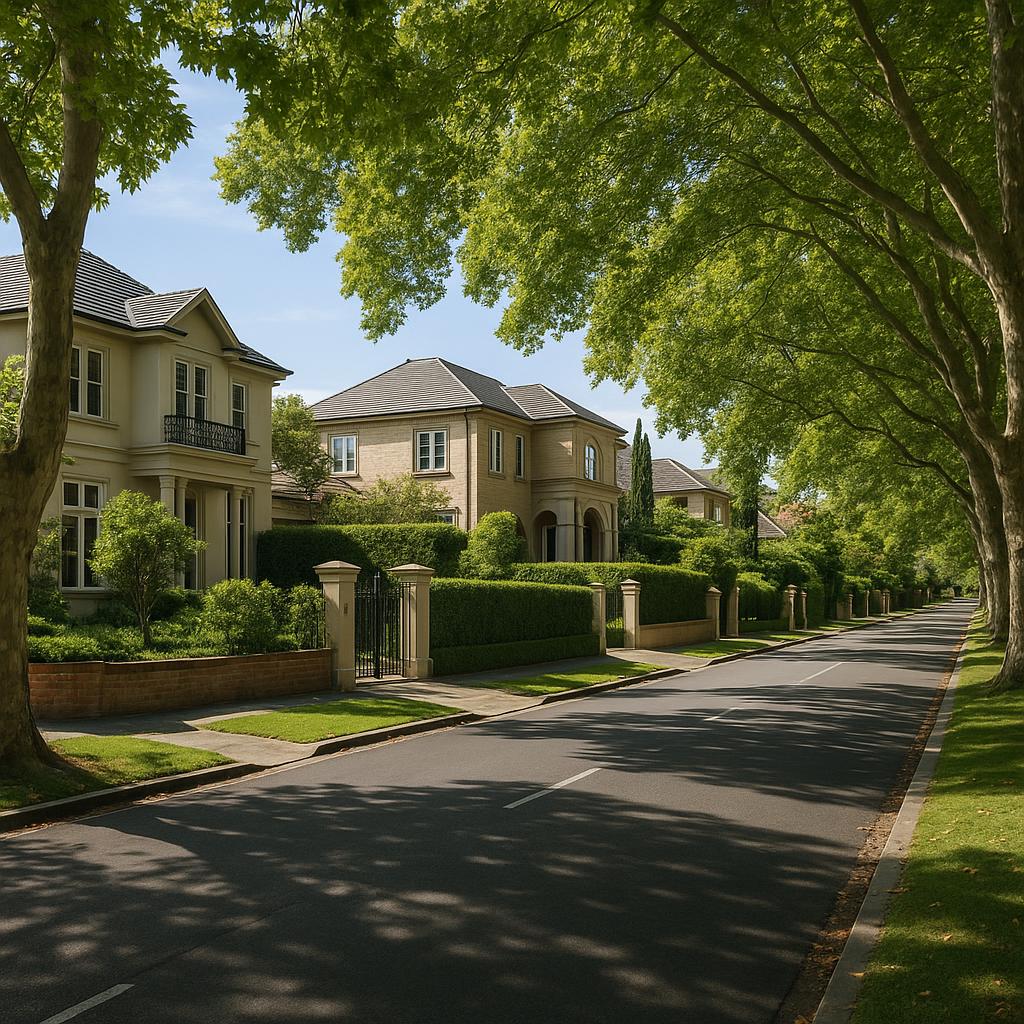
Kew offers a refined inner-east lifestyle with leafy streets, established homes, parks, and access to daily services. That combination is a major reason people stay in the suburb for a long time, which supports demand resilience across different market cycles.
Transport access is practical rather than flashy, with bus networks and road connections linking residents to neighbouring inner-east suburbs and the CBD. For many households, this is enough to support commuting and school-run logistics without needing rail access on the doorstep.
Schools are a core part of the suburb’s appeal, especially for families. Kew has access to a range of government and independent education options in and around the area, which can influence both owner-occupier competition and long-term rental demand. Buyers should always verify catchments, enrolment rules, and current access directly before making assumptions.
Kew (Vic.) Suburb Profile
Official 2021 Census snapshot for the ABS Suburbs and Localities geography.
Age profile
Housing tenure
Occupied private dwellings by tenure type.
Salary & income profile
Median total income reported in the Census.
*Annual figures are weekly median × 52 estimates, not separate ABS annual medians.
Education & qualifications
Highest educational attainment, people aged 15+.
Employment status
People aged 15+ who reported being in the labour force.
Industry of employment
Top responses among employed people aged 15 years and over.
Occupation profile
Broad occupation groups among employed residents, including managers.
Property Type Guide
- Detached houses: Best for families and long-term owners seeking space, land, and privacy; check renovation scope and maintenance.
- Townhouses: Suited to buyers wanting a balance of convenience and space; review body corporate rules and layout efficiency.
- Apartments and units: Practical for first-home buyers, downsizers, and investors seeking lower-maintenance entry into the suburb; inspect strata and building age.
- Heritage homes: Attractive to buyers who value character and land-rich settings; budget for compliance and restoration costs.
- Newer renovations: Useful for busy households and investors wanting fewer immediate surprises; avoid overpaying for cosmetic upgrades only.
Risks & Watch-Outs
- Premium-price trap: Buying into a prestige suburb does not automatically make the individual property a good value.
- Maintenance risk: Older homes can carry hidden repair, services, or moisture issues that affect total ownership cost.
- Micro-location risk: Small differences in street quality, traffic exposure, or amenity access can change buyer and tenant demand.
- Strata risk: Apartments and townhouses may bring ongoing fees, rules, and special levies that reduce flexibility.
- Investor mismatch: A property can be prestigious but still be awkward to lease if the floorplan, parking, or upkeep burden is poor.
Nearby Suburbs to Compare
FAQ
Is Kew a good suburb for buyers?
Kew is a strong option for buyers who want an established inner-east location with long-term desirability. It is especially appealing if you value family amenity, quality housing stock, and a suburb that tends to hold buyer confidence over time.
Is Kew a good suburb for investors?
Yes, if your strategy prioritises resilient demand, quality tenants, and strong resale depth rather than maximum yield. Investors should be selective about property type, because a well-located townhouse or apartment may suit the rental market better than a large, high-maintenance house.
What type of property is best in Kew?
There is no single best option. Houses suit families and long-term land-focused buyers, while townhouses and apartments can be better for lower-maintenance ownership or investment. The right choice depends on budget, holding costs, and whether you are buying for lifestyle or cash flow.
How should I compare Kew with nearby suburbs?
Compare housing stock, school access, transport convenience, and the lifestyle trade-off you actually want. A suburb with similar prestige may offer a different property mix or daily routine, so the best choice is the one that fits your use case, not just the postcode.
What should I verify before buying in Kew?
Check comparable sales by property type, current rental listings, zoning, overlays, school catchments, and any strata documents if relevant. In a premium suburb, the street, building condition, and ongoing costs often matter as much as the broader location.
Conclusion
Kew is a premium inner-east suburb best suited to buyers who value established amenity, strong family appeal, and long-term confidence. It can work well for investors and homeowners, but success depends on matching the property type to your goals. In Kew, disciplined selection beats brand-name suburb thinking every time.
Sources & how to verify
- Check recent comparable sales on Domain to see how Kew properties are actually trading by land size, property type, and condition.
- Review current rental listings on realestate.com.au to understand tenant demand, asking rents, and the finish level that is currently competitive.
- Use ABS to verify demographic trends before assuming the suburb’s household profile or buyer mix.
- Confirm zoning, overlays, and planning controls through Victorian Planning so you understand renovation and redevelopment limits.
- Check school catchments and enrolment rules on the Find My School site before relying on informal suburb reputation.
- Review transport options and route changes on Public Transport Victoria to assess commuting practicality and walk-to-service convenience.
- Inspect council information from the City of Boroondara website to understand local planning, services, and area-specific issues.
- If buying a unit or townhouse, request strata documents and a building inspection so fees, sinking fund position, and maintenance issues are verified before you commit.