Quick Answer
Melbourne is not one property market; it is a collection of micro-markets shaped by transport, dwelling type, amenity, and buyer depth. For buyers, the best outcomes usually come from choosing the right suburb fit rather than chasing the widest headline trend. For investors, the priority is tenant demand, resale liquidity, and manageable holding costs. Compare the suburb’s housing stock, commute options, and likely buyer pool before you commit.
Key Takeaways
- Melbourne’s results vary sharply suburb by suburb, so local context matters more than broad city commentary.
- Established middle-ring locations often balance lifestyle, transport access, and owner-occupier depth better than fringe growth areas.
- Investors should prioritise vacancy resilience, functional layouts, and broad tenant appeal, not just rental return assumptions.
- Families and downsizers usually value convenience, school access, and low-friction living over speculative upside.
- Always verify current sales, leasing, zoning, and school zone information before acting on any suburb thesis.
Pros & Cons
Pros
- Diverse housing choices across inner, middle, and outer-ring suburbs.
- Strong lifestyle demand in many established, amenity-rich locations.
- Transport corridors can support long-term buyer and renter interest.
Cons
- Suburb performance can diverge significantly even within the same broad region.
- Older housing stock may carry higher maintenance and upgrade costs.
- Some pockets face new supply or layout issues that weaken resale appeal.
Market Overview
Melbourne works best when analysed as a patchwork of micro-markets. Inner and middle-ring suburbs often attract stronger owner-occupier competition where transport, schools, and lifestyle amenity align, while outer areas can be more affordability-driven and sensitive to infrastructure and housing supply. That means timing matters, but suburb selection and property type often matter more.
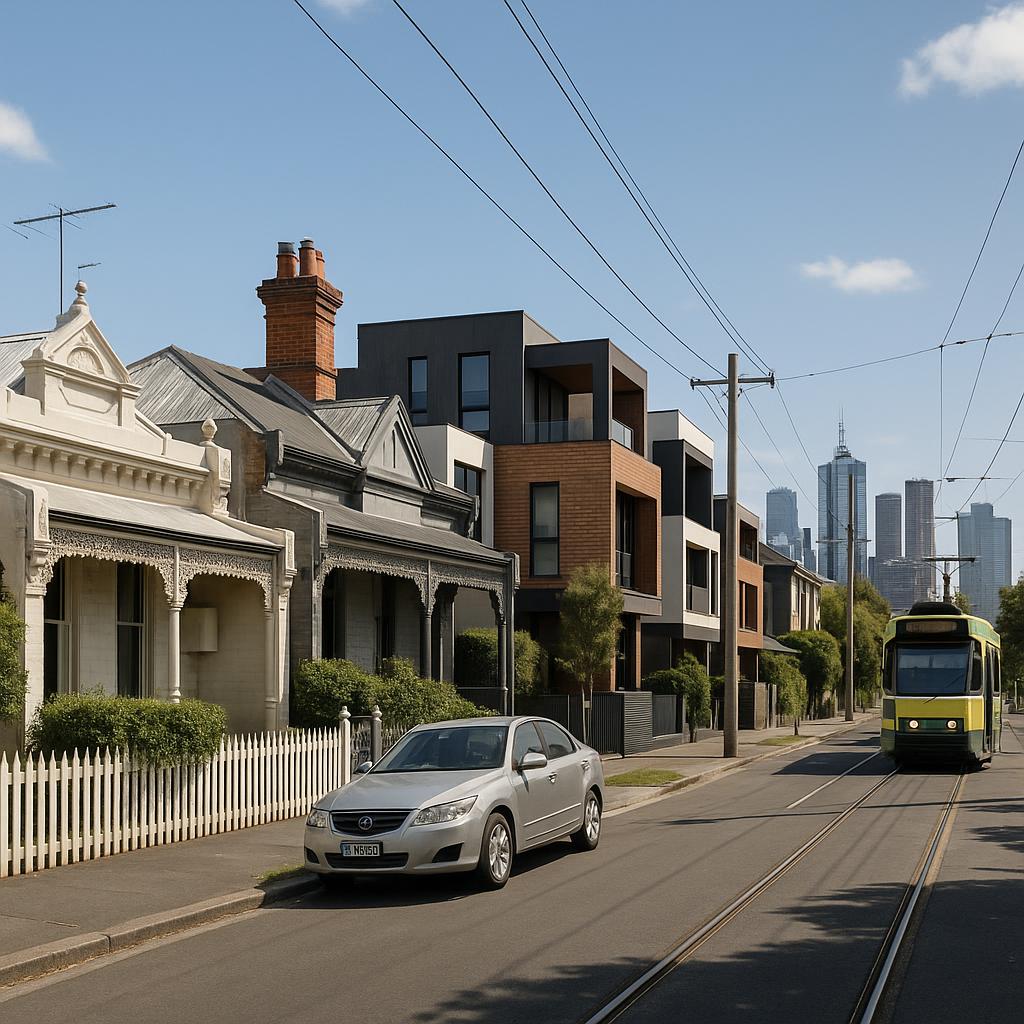
As a buyer or investor, think about how a suburb fits its local audience. A character home near rail may appeal to long-term owner-occupiers, while a newer townhouse a few streets away may suit a lower-maintenance investor or first-home buyer. The right decision depends on whether the area has broad, durable demand or a narrower buyer pool.
When you review any Melbourne suburb, focus on access to employment nodes, road and rail connectivity, the age and style of the housing stock, and evidence of reinvestment. Those factors usually tell you more about future demand than a simple “hot suburb” label.
Buyer Demand
Demand in Melbourne suburbs is usually driven by a mix of transport access, family appeal, renovation potential, and local amenity. Areas with a practical commute, useful shopping strips, and a clear housing identity tend to attract repeat enquiry from both buyers and agents.
Different buyer groups value different things. First-home buyers often want entry affordability and low-maintenance living; families want space and school access; downsizers want convenience; and investors want reliable tenancy depth and simple upkeep. A suburb with crossover appeal is usually easier to resell.
Rental Market
Melbourne rental performance is strongest where tenants can live simply and commute efficiently. That usually means properties close to transport, jobs, hospitals, universities, or established retail strips, especially when the dwelling layout is practical and easy to maintain.
Apartments can work well in transit-connected locations if the building quality and layout are sound. Townhouses often strike a useful balance for professionals and small families, while houses can perform strongly in family-oriented areas where tenants want space and stability. Check current leasing competition before assuming a property will rent quickly.
Lifestyle, Transport & Schools
Lifestyle factors shape buyer stickiness more than many investors realise. Cafés, parks, sport facilities, and a recognisable neighbourhood identity can all support stronger owner-occupier demand, particularly in suburbs where people want to stay long term rather than trade quickly.
Transport access is equally important. Rail and tram links can improve daily convenience, while bus connections and road access matter in less central suburbs. For schools, the key point is to verify catchment boundaries directly and not rely on assumptions, because school zoning can materially change buyer behaviour and price tolerance.
For families, the practical test is simple: does this suburb make school runs, commuting, shopping, and weekend routines easier? If the answer is yes, demand usually holds up better across cycles.
Melbourne Suburb Profile
Official 2021 Census snapshot for the ABS Suburbs and Localities geography.
Age profile
Housing tenure
Occupied private dwellings by tenure type.
Salary & income profile
Median total income reported in the Census.
*Annual figures are weekly median × 52 estimates, not separate ABS annual medians.
Education & qualifications
Highest educational attainment, people aged 15+.
Employment status
People aged 15+ who reported being in the labour force.
Industry of employment
Top responses among employed people aged 15 years and over.
Occupation profile
Broad occupation groups among employed residents, including managers.
Property Type Guide
- Detached houses: Best for buyers wanting land, renovation flexibility, and strong family appeal; watch for hidden maintenance.
- Townhouses: Often suit first-home buyers, downsizers, and tenants seeking low-maintenance living with more space than an apartment.
- Apartments: Useful for entry buyers and investors, but building quality, noise, layout, and supply risk matter more.
- Units and villas: Can deliver value in established streets when the land feel, parking, and livability are strong.
- Key rule: Match the dwelling type to the likely end buyer or tenant, not just the purchase budget.
Risks & Watch-Outs
- Do not assume a popular suburb is a strong investment if its tenant pool is narrow or volatile.
- Check whether the specific pocket has different amenity, traffic, or redevelopment pressure than the broader suburb.
- Older homes can look affordable upfront but may require costly electrical, roofing, plumbing, or cosmetic work.
- Newer apartments or townhouse estates can suffer from oversupply, poor layouts, or weak long-term resale depth.
- Always test holding costs, strata rules, and vacancy resilience before treating any rental estimate as reliable.
Nearby Suburbs to Compare
- Travancore
- Spotswood
- Waterways
- Plenty
- Footscray
- Hawthorn
FAQ
Is Melbourne a good market for buyers and investors?
Yes, if you treat it as a set of local markets rather than one city-wide theme. The best opportunities usually come from suburbs with durable transport access, practical dwelling types, and strong owner-occupier or tenant depth. Verify live sales and leasing data before deciding.
What matters most when comparing Melbourne suburbs?
Focus on transport, housing stock, local amenity, school access, and the likely buyer or tenant pool. A suburb with good daily convenience and a broad resale audience is usually safer than one relying only on future optimism or a single infrastructure story.
Are apartments or townhouses better in Melbourne?
It depends on the suburb and your goal. Townhouses often offer a stronger balance of space, livability, and low maintenance, while apartments can suit entry-level buyers or investors in transit-rich areas. Compare building quality, supply levels, and likely tenant demand.
How important are schools in Melbourne property decisions?
Very important for many family buyers, especially where catchments are tightly defined. School proximity can lift demand, but you should verify the current zone directly through official sources. Never assume a property sits inside a catchment without checking current boundaries.
What should investors check before buying in Melbourne?
Check vacancy depth, comparable rental listings, local sales evidence, property type supply, strata terms if relevant, and the quality of transport and amenity nearby. The best investment is usually the one that can be leased, maintained, and resold without friction.
Conclusion
Melbourne rewards careful suburb selection, not broad generalisations. The strongest purchases usually combine liveability, transport access, sensible property type, and a buyer or tenant pool that is broad enough to support resale. If you compare suburbs properly, verify current data, and match the dwelling to your goals, you can make a more confident decision.
Sources & how to verify
- Check current sales evidence on Domain to see what similar homes are actually achieving in the suburb.
- Review current listings on realestate.com.au to gauge stock levels, property mix, and how quickly comparable homes are being advertised.
- Use the Property.com.au market pages to compare suburb-level housing profiles and recent listing patterns.
- Confirm zoning, overlays, and planning changes through Victoria’s planning site before relying on any development or renovation assumption.
- Check school catchments and enrolment guidance via the Find My School tool rather than relying on hearsay or outdated maps.
- Review transport access and service updates on Public Transport Victoria so you understand the suburb’s real commute options.
- Use ABS data to verify broad demographic and dwelling trends, but avoid using old figures as a substitute for current local enquiry.
- Cross-check local amenity, infrastructure, and planning information on the relevant City of Melbourne or council website if the suburb falls under another local government area.