Quick Answer
Cowandilla is a practical inner-west Adelaide suburb that suits buyers who value access, flexibility, and established housing over prestige-led amenity. It can appeal to first-home buyers, downsizers, and investors, but the best outcomes usually come from choosing the right street and property type rather than buying on suburb name alone. Check traffic exposure, airport-related noise considerations, land size, and the true cost of renovating older stock before you make an offer.
Key Takeaways
- Cowandilla’s main draw is convenience: it sits well for CBD access, airport connectivity, and western-suburb commuting.
- The suburb tends to reward buyers who prioritise location practicality, not those chasing a high-amenity lifestyle precinct.
- Established homes can offer character and upside, but condition, layout, and presentation matter more than the suburb label.
- Investors should judge tenant demand by property type, parking, and maintenance risk, not by inner-ring proximity alone.
- Street-by-street due diligence is essential because noise, traffic, and amenity can vary noticeably across the suburb.
Pros & Cons
Pros
- Inner-west location with strong everyday convenience.
- Broad appeal for commuters, airport workers, and practical buyers.
- Established housing stock with renovation potential in selected pockets.
Cons
- Some streets may face traffic, flight-path, or general activity noise.
- Older dwellings can bring higher maintenance and upgrade costs.
- Functional location can come with less “leafy prestige” appeal than nearby premium suburbs.
Market Overview
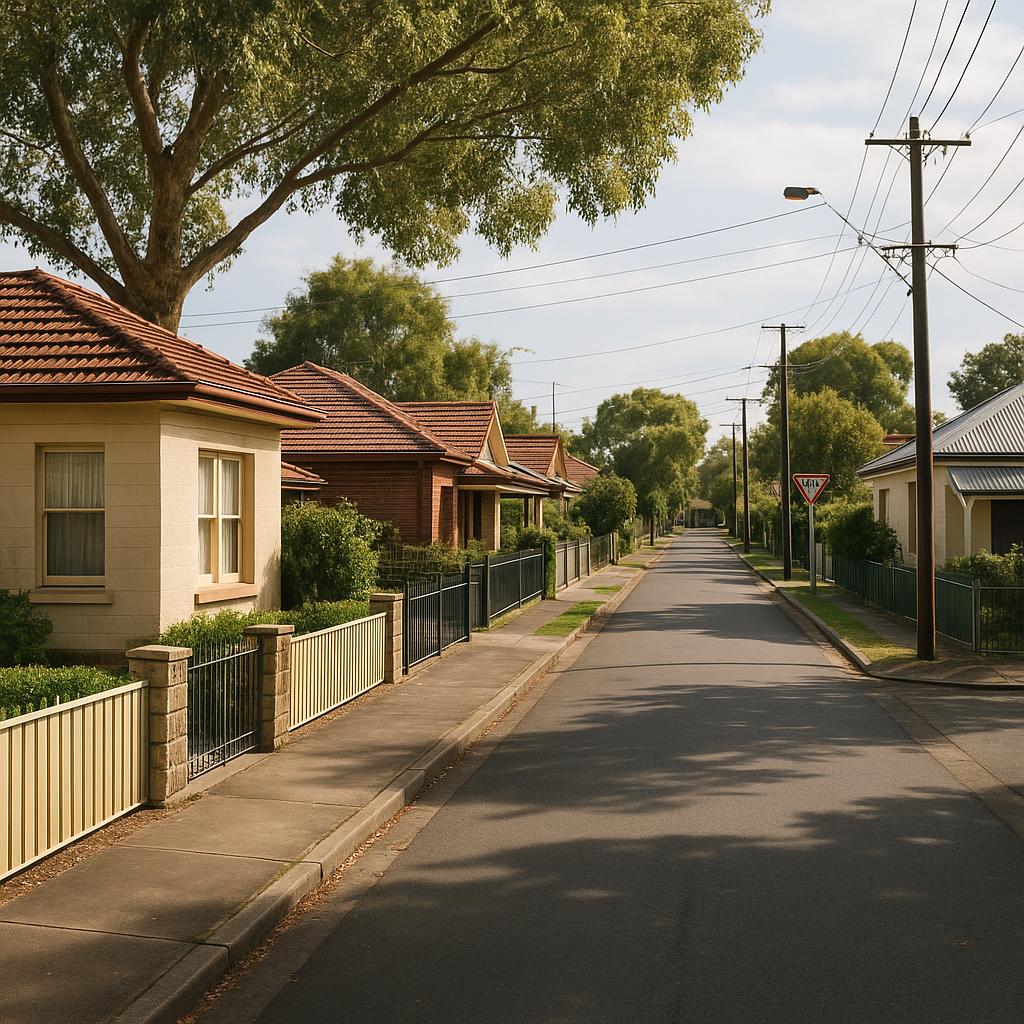
Cowandilla is an established inner-west Adelaide suburb with a practical, access-led profile. It is not the kind of market where one feature explains everything; instead, value tends to hinge on the exact street, housing form, and how well a property balances convenience with livability.
For buyers, that means the suburb can work well if you want a manageable commute, proximity to the airport precinct, and access to the city without moving into the most tightly priced inner-ring addresses. For investors, the local market often suits properties that are easy to maintain and easy to let, particularly when they present well and offer sensible parking and layout.
The housing stock is typically a mix of older detached homes, semi-detached dwellings, and smaller units. Renovated homes can draw stronger interest when they feel genuinely modern rather than just cosmetically updated, while original stock may appeal to buyers with a clear value-add plan and a realistic renovation budget.
Buyer Demand
Demand in Cowandilla usually comes from buyers who want convenience first. That includes first-home buyers trying to stay close to Adelaide, downsizers looking for a lower-fuss location, and investors targeting a broad rental audience rather than a niche luxury market.
Properties that often attract more attention are those with off-street parking, functional floorplans, and a quieter street setting. Buyers tend to pay more for homes that reduce compromise: good natural light, usable outdoor space, and a layout that works without major structural changes.
Rental Market
The rental market is usually supported by tenants who value access and practicality. That can include professionals, airport-adjacent workers, and smaller households wanting a convenient base with straightforward commuting options.
For investors, the key is matching property type to tenant profile. Low-maintenance homes, tidy units, and renovated dwellings often have the clearest appeal, while older homes can still perform well if they are well maintained and priced in line with their condition. To verify current rental strength, compare live listings and recent leased evidence rather than relying on a suburb average alone.
Lifestyle, Transport & Schools
Cowandilla offers a functional suburban lifestyle rather than a destination lifestyle scene. That suits residents who prioritise access to work, services, and major roads over cafés, parks, or high-end village character. It is a sensible base for people who spend most of their time elsewhere but still want a comfortable home environment.
Transport is a major part of the suburb’s appeal. Road access to the CBD, airport precinct, and western suburbs is a key advantage, particularly for people who drive regularly. At the same time, buyers should test commute patterns at peak periods and stand on the street at different times to gauge noise and traffic flow.
Families should verify current school catchments and enrolment rules directly, because these can change and are not reliably captured by older listings or agent copy. If schooling matters, include travel time, crossing points, and after-school logistics in your inspection checklist.
Cowandilla Suburb Profile
Official 2021 Census snapshot for the ABS Suburbs and Localities geography.
Age profile
Housing tenure
Occupied private dwellings by tenure type.
Salary & income profile
Median total income reported in the Census.
*Annual figures are weekly median × 52 estimates, not separate ABS annual medians.
Education & qualifications
Highest educational attainment, people aged 15+.
Employment status
People aged 15+ who reported being in the labour force.
Industry of employment
Top responses among employed people aged 15 years and over.
Occupation profile
Broad occupation groups among employed residents, including managers.
Property Type Guide
- Older detached homes: Best for buyers wanting land, character, and renovation upside, but inspect carefully for maintenance, plumbing, wiring, and insulation issues.
- Semi-detached / duplex-style homes: Often a middle ground for owner-occupiers seeking lower upkeep without losing too much house-like feel.
- Units / smaller dwellings: Can suit entry buyers and investors who want simpler maintenance, though parking, body corporate costs, and weaker land content matter.
- Renovated homes: Usually attract stronger buyer competition when the finish is genuinely functional, not just cosmetic.
- Value-add stock: Can be attractive if the purchase price leaves room for works, contingency, and holding costs.
Risks & Watch-Outs
- Traffic exposure can change livability materially from one street to the next.
- Airport proximity and flight-path considerations may affect buyer comfort and resale interest.
- Older homes can hide repair and compliance costs that are easy to underestimate.
- Cosmetic renovations may look finished while still leaving structural or efficiency problems unresolved.
- Overpaying for convenience alone is a real risk if the floorplan, parking, or site quality is weak.
Nearby Suburbs to Compare
FAQ
Is Cowandilla good for first-home buyers?
It can be, if you want an inner-west location with straightforward access to the city and airport precincts. First-home buyers should focus on condition, parking, and street quietness, because those factors often matter more than the suburb name itself.
Is Cowandilla a good suburb for investors?
Yes, it can suit investors who want broad tenant appeal and a practical location. The better investment case usually comes from low-maintenance property, sensible entry pricing, and a layout that tenants will find easy to live in and easy to maintain.
What property type is usually best in Cowandilla?
The “best” type depends on your goal. Detached homes may suit long-term owners and value-add strategies, while units or smaller dwellings can suit investors wanting simpler upkeep. Always compare land content, parking, and renovation scope before deciding.
Are there lifestyle or noise considerations?
Yes. Cowandilla’s convenience can come with traffic and general activity exposure in some areas, and airport proximity may matter for certain buyers. Inspect the property at different times of day and ask about any location-specific noise issues.
How should buyers assess a property here?
Start with the street, then the building, then the numbers. Check the immediate area, compare recent sales of similar property types, inspect for maintenance issues, and confirm any planning or zoning considerations if you are buying for future flexibility.
Conclusion
Cowandilla is best viewed as a convenience-led inner-west suburb with broad practical appeal. It can work well for buyers who want access and functionality, and for investors who understand that property type and micro-location will shape performance more than the suburb label alone. Careful comparison of streets, condition, and future use is the smartest approach.
Sources & how to verify
- Check current sold results and active listings on Domain so you are not relying on outdated price impressions or one-off asking prices.
- Use realestate.com.au to compare rental listings, property features, and how similar homes are currently marketed to tenants.
- Review zoning, overlays, and development controls on PlanSA before assuming a block has future redevelopment or extension potential.
- Confirm local school information through Find a school rather than using third-party rank lists or outdated suburb claims.
- Check demographic and housing context with ABS Census data, but remember Census figures are descriptive and not a substitute for street-level inspection.
- Look up local planning and community updates on the City of Charles Sturt website to understand any nearby projects or policy changes that may affect amenity.
- Verify transport access and service changes on Adelaide Metro so you can assess real commute convenience rather than assuming every route runs at the same frequency.