Quick Answer
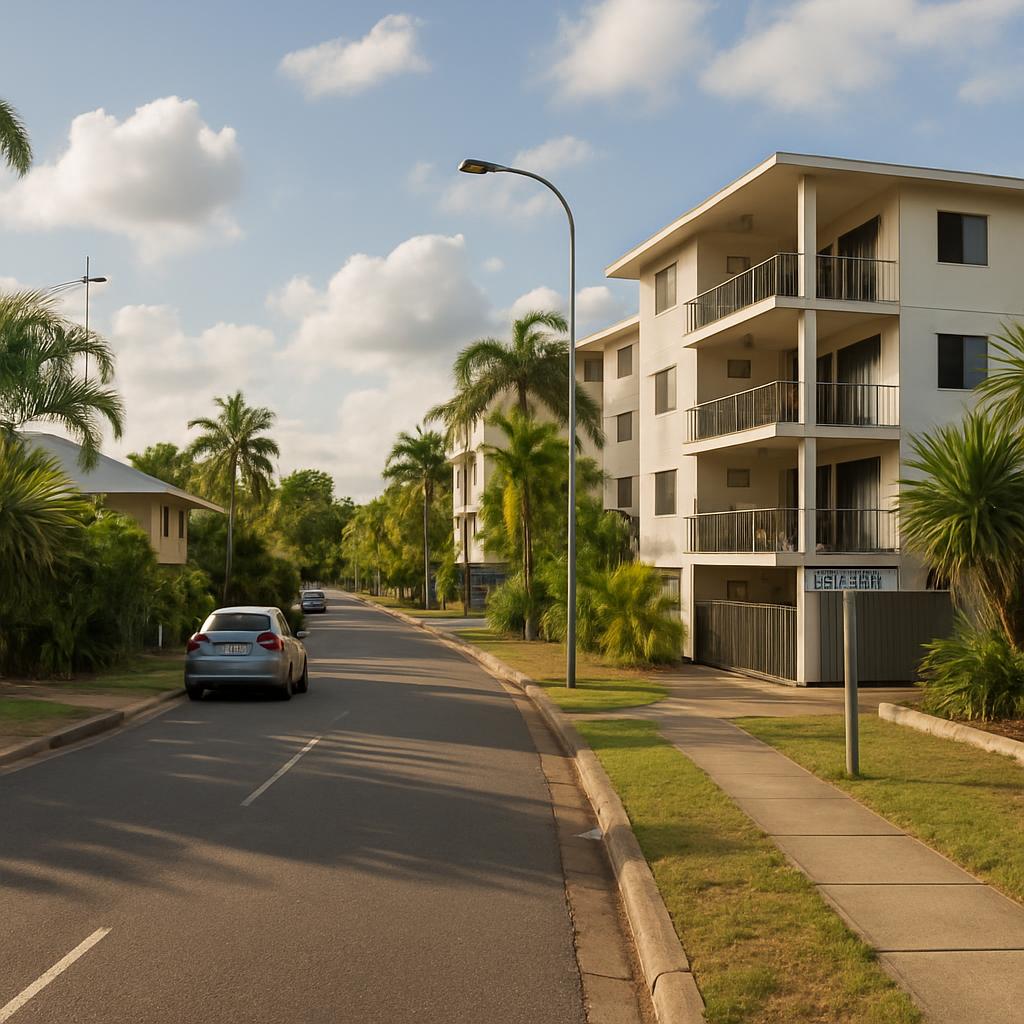
Woolner is best viewed as an inner-Darwin convenience suburb: compact, well-located, and more about access than acreage or family-sized amenity. It can suit investors and homeowners who value short commutes, practical connectivity, and a central base close to the CBD and major routes. The key is micro-location and property type, because traffic exposure, parking, strata setup, and maintenance profile can matter as much as the suburb name. If you want quieter, more residential feel, compare carefully with nearby alternatives.
Key Takeaways
- Woolner’s main appeal is location efficiency, not large blocks or broad housing choice.
- Buyers should inspect each property’s street exposure, parking, and day-to-day access before relying on suburb reputation.
- Investors may find the suburb attractive for tenant demand tied to convenience, centrality, and low-friction living.
- Property type matters: houses, townhouses, and units can behave very differently on maintenance, resale, and renter appeal.
- Nearby inner suburbs are essential comparisons because Woolner’s value proposition depends on how much convenience you want to trade for space.
Pros & Cons
Cons
- venient for commuters who prioritise time savings
Market Overview
Woolner is an inner-Darwin suburb where the market story is shaped by access, convenience, and the practical trade-offs that come with a small, centrally positioned location. It tends to attract buyers who want to be close to work, shops, and the CBD without paying for a premium lifestyle brand alone. That makes property-level differences especially important.
Because the suburb is compact, available stock can feel limited at times, and that can put more emphasis on the quality of each listing. In a place like Woolner, a well-positioned home on a calmer street can feel very different from one closer to busier access routes or mixed-use edges. The right comparison is often not just “Woolner versus elsewhere,” but “this Woolner property versus similar nearby inner-city options.”
For buyers, the most useful approach is to assess the title, layout, condition, and surrounding streets rather than relying on broad suburb assumptions. For investors, the question is whether the property offers simple, convenient living that matches likely tenant demand. That typically means balancing maintenance, access, and ease of re-letting rather than chasing the largest floorplan.
Buyer Demand
Demand in Woolner is usually driven by people who want an efficient inner-suburban base rather than a big family estate. That can include professionals, downsizers, and purchasers who place value on shorter travel times and straightforward access to the city fringe. These buyers often care more about usability than land size.
What tends to matter most is the property’s immediate setting: parking, street feel, noise exposure, and whether the home feels easy to live in every day. A tidy dwelling with good access and sensible upkeep can appeal broadly, while a property with awkward entry, busy-road influence, or dated presentation may need sharper pricing to stand out.
Rental Market
Woolner can work well for investors targeting tenants who value convenience and low-friction living. That often includes people working in or near Darwin’s core, newcomers wanting a central base, and renters who prefer location over larger living areas. The practical question is whether the home is easy to maintain and easy to re-let.
For rental appeal, simple things matter: good cooling, functional parking, sensible storage, and a layout that feels comfortable in Darwin conditions. If the property is strata-based, read the rules and ongoing costs closely, because shared ownership can influence both cash flow and tenant experience. Check current rental listings and management feedback before assuming the demand profile.
Lifestyle, Transport & Schools
Lifestyle in Woolner is about convenience first. It suits buyers who want to move quickly between home, work, errands, and city-adjacent activity, rather than those seeking a quieter suburban rhythm or large outdoor space. That makes it appealing to time-poor households and buyers who prefer efficiency over sprawl.
Transport access is a major part of the suburb’s value proposition, but it should be tested property by property. Assess road exposure, parking practicality, and peak-hour travel patterns, not just map proximity. A good address can still feel inconvenient if daily entry, turning, or street parking is difficult.
School needs should be checked using current official catchment information, because family suitability depends on the exact property and the latest boundaries. Woolner may suit some households well, but families should also consider childcare, after-school logistics, and whether the suburb’s compact urban setting fits long-term needs.
Woolner Suburb Profile
Official 2021 Census snapshot for the ABS Suburbs and Localities geography.
Age profile
Housing tenure
Occupied private dwellings by tenure type.
Salary & income profile
Median total income reported in the Census.
*Annual figures are weekly median × 52 estimates, not separate ABS annual medians.
Education & qualifications
Highest educational attainment, people aged 15+.
Employment status
People aged 15+ who reported being in the labour force.
Industry of employment
Top responses among employed people aged 15 years and over.
Occupation profile
Broad occupation groups among employed residents, including managers.
Property Type Guide
- Houses: Better for buyers who want more privacy, direct control, and a traditional residential feel, but upkeep can be higher.
- Townhouses: Often balance convenience and lower maintenance, though strata rules and levies need close review.
- Units: Can suit investors or busy owner-occupiers seeking simplicity, provided the building is well managed and well located.
- Strata properties: Check fees, sinking fund health, by-laws, and any upcoming maintenance or special levy risk before making an offer.
- Key check: In Woolner, the best property type is the one that matches your tolerance for maintenance, noise, and resale audience.
Risks & Watch-Outs
- Micro-location matters, so two properties in the same suburb can have very different livability and resale outcomes.
- Traffic, road noise, and nearby commercial activity may affect some addresses more than others.
- Parking and access should be tested in real conditions, especially if you rely on street parking or tight turning space.
- Strata documents can reveal costs and restrictions that materially change the value of a unit or townhouse.
- Do not assume inner-city convenience automatically equals strong demand; compare recent sales in similar property types and settings.
Nearby Suburbs to Compare
- Stuart Park NT Property Market Guide: Buyers & Investors
- Parap NT Property Market Guide: Buyers & Investors
- Larrakeyah NT Property Market Guide: Buyers & Investors
- The Gardens NT Property Market Guide: Buyers & Investors
- Darwin NT Property Market Guide: Buyers & Investors
FAQ
Is Woolner a good suburb for investors?
It can be, if your strategy suits an inner-city convenience market. Woolner may appeal to tenants who want easy access to the CBD and nearby services, but investors should check the specific property’s maintenance needs, parking, strata exposure, and rental comparables before buying.
Is Woolner better for buyers or renters?
It can work for both, but for different reasons. Buyers may value the location and time savings, while renters often prefer the same convenience. The key difference is whether the property offers enough comfort, space, and practicality for your intended use.
What type of property is best in Woolner?
That depends on your goal. Houses may suit owner-occupiers wanting more control and flexibility, while units or townhouses may suit investors or low-maintenance buyers. In this suburb, the best choice usually comes down to access, upkeep, and resale audience.
What should I inspect before buying in Woolner?
Focus on street exposure, parking, access, noise, natural light, ventilation, and the condition of major components like cooling, bathrooms, and roofing. If the property is strata-titled, review the documents carefully so you understand costs, rules, and future maintenance risks.
How does Woolner compare with nearby suburbs?
It generally competes on convenience, but nearby suburbs may offer different lifestyle trade-offs. Compare Woolner with places like Stuart Park, Parap, Larrakeyah, and The Gardens to see whether you want a more urban, more established, or more residential feel.
Conclusion
Woolner is a practical inner-Darwin suburb for buyers and investors who prioritise location, access, and everyday convenience. The strongest results usually come from choosing the right property in the right pocket, not from assuming every address performs the same. Compare carefully, inspect thoroughly, and use current evidence before committing.
Sources & How to Verify
- Check current sales history and active listings on Domain so you are comparing Woolner against recent market evidence rather than broad commentary.
- Review rental listings on realestate.com.au to understand what type of properties are actually being leased and how they are presented.
- Use the Northern Territory Government property information pages to verify planning, title, and property-related government references.
- Confirm local planning and development context through the NT building and development resources before assuming future amenity or land-use outcomes.
- Check school information using the NT school finder so you rely on current catchment and enrolment information rather than outdated assumptions.
- Use official transport information from NT transport resources to verify routes and commuting considerations that may affect daily convenience.
- Read strata records, minutes, and levy details directly where applicable, because these documents can reveal costs and risks that are not obvious from a listing.
- Cross-check every market claim with at least two current sources, because suburb commentary becomes less useful once pricing, supply, or tenant demand changes.