Quick Answer
Forestville SA suits buyers who want inner-west Adelaide convenience, established housing, and practical access to the CBD, major roads, and everyday services. It can work well for owner-occupiers, downsizers, and investors, but the best outcomes usually come from choosing the right street and property type rather than buying purely on suburb reputation. If you value location efficiency more than large blocks or new-build certainty, Forestville is worth serious inspection.
- Who Forestville suits best: owner-occupiers, downsizers, investors, and first-home buyers targeting units or smaller homes.
- What kind of market it is: an established inner-west Adelaide suburb with convenience-led demand and broad lifestyle appeal.
- What drives interest: proximity to the city, transport options, established homes, and access to shopping and services.
- Main decision lens: balance lifestyle value against entry expectations, renovation needs, and ongoing holding costs.
- Fast take: buyers should compare streets carefully, while investors should focus on low-friction, tenant-friendly dwellings.
Best for: buyers wanting convenience and character close to Adelaide. Investor angle: stable tenant appeal and long-term land-value focus rather than chasing a headline yield. Caution: housing stock quality varies, renovations can add real cost, and each pocket should be assessed on its own merits.
Key Takeaways
- Forestville is a convenience-first suburb where location, access, and established character do a lot of the heavy lifting.
- It can suit owner-occupiers who want an easy commute and investors who prefer broadly attractive, low-friction stock.
- The main trade-off is clear: you are paying for inner-west access and lifestyle efficiency, not necessarily large land size.
- Units, townhouses, and well-kept older homes each appeal to different buyer budgets and tenant profiles.
- Before you buy, check property type, street appeal, parking, renovation scope, and how the home fits local leasing demand.
Pros & Cons
Pros
- Close-to-city convenience for commuters and lifestyle buyers.
- Easy access to shopping, services, and major transport corridors.
- Mixed housing appeal can suit different budget and strategy types.
- Established suburb character with strong owner-occupier appeal.
- Practical tenant demand for renters who prioritise location and access.
Cons
- Entry expectations may be higher than in outer suburban markets.
- Some dwellings may need updating or careful maintenance planning.
- Traffic, parking, and road noise can vary by pocket and street.
- Well-presented homes may attract competition and require faster decisions.
- Not every property offers equal land value or renovation upside.
Market Overview
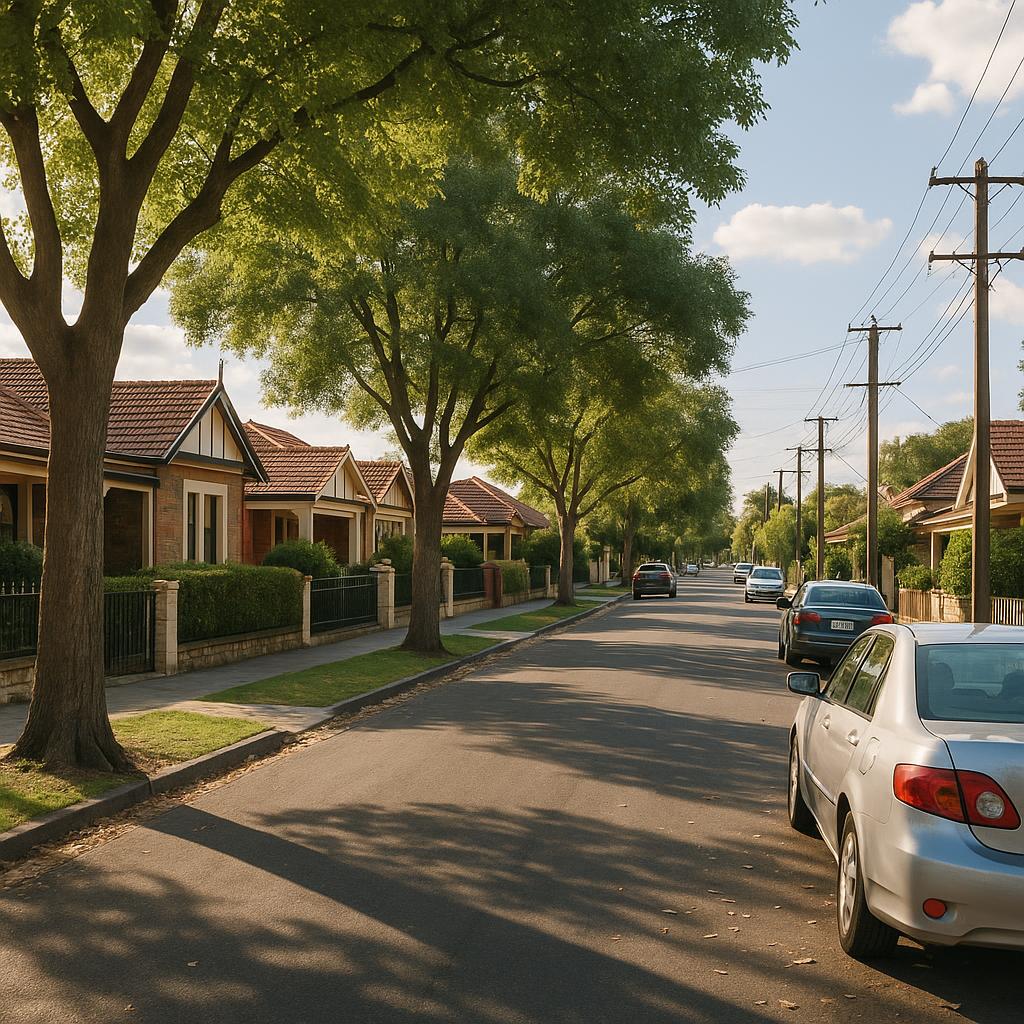
Forestville sits in Adelaide’s inner-west / city-fringe area, which makes it a naturally convenience-led suburb. The appeal is less about novelty and more about everyday function: established streets, access to services, and a location that shortens the distance between home, work, and daily errands.
The local market is best understood as mature and mixed. Depending on the pocket, buyers may encounter older freestanding homes, smaller dwellings, units, or townhouse-style options. That mix matters because Forestville can cater to both lifestyle buyers and investors, but each asset class behaves differently.
This suburb matters because established areas often retain buyer recognition through market cycles. A well-located home in Forestville may attract attention from people trying to reduce commute time, simplify daily life, or secure a central holding with long-term scarcity value. For many buyers, the real question is not whether the suburb is desirable, but whether a particular street and property justify the asking price relative to condition and potential.
Example: a professional couple may choose Forestville over a cheaper outer suburb because they value shorter drives, easier weekend logistics, and less time spent on the road. Another buyer may prefer a neat unit or townhouse here because the holding is simpler and the location broadens resale appeal. In both cases, the suburb works best when the asset matches the strategy.
Buyer Demand
Demand in Forestville is usually driven by practical buyers rather than speculative ones. Owner-occupiers want convenience and a liveable base; investors want a location people already recognise; downsizers want manageable homes close to services; and first-home buyers may target units or smaller properties to enter the area.
The psychology is straightforward: buyers pay for time saved and daily friction reduced. A family or couple may accept a smaller block or older fit-out if it means easier commuting, better access to errands, and a suburb that feels established. That is why comparison shopping matters so much here. Two homes can look similar on paper but deliver very different value once street exposure, parking, light, and renovation needs are considered.
Rental Market
Forestville can appeal to tenants who want a central, practical base with good access to employment areas, services, and transport. That often includes professionals, couples, and small households who care more about convenience than large outdoor space. As a result, tidy, well-located homes tend to be easier to position than awkward or over-improved stock.
For investors, the key is matching the asset to the likely tenant. A neat unit may suit a low-maintenance renter; a townhouse may suit a professional couple; a freestanding home may suit someone wanting more space. The main watch-out is overcapitalising on upgrades that tenants will not fully reward, or buying an attached dwelling without understanding strata costs and maintenance obligations.
Lifestyle, Transport & Schools
Forestville’s lifestyle value comes from practicality. It is the sort of suburb that tends to suit people who want their home to work hard during the week and remain convenient on weekends. Nearby retail, services, and broader inner-west amenity help underpin that appeal, even if the suburb itself is not about a flashy lifestyle profile.
Transport access is an important part of the equation. Good road connectivity can make commuting, school runs, and cross-city trips more efficient, but street-level experience still matters. Parking pressure, through-traffic, and noise exposure can change the appeal of a property materially, so inspect at different times of day before assuming convenience is uniform across the suburb.
School access also plays a role in demand, even without focusing on rankings. Families often compare homes based on daily logistics rather than just bedrooms and bathrooms. A property that makes the routine easier can hold stronger appeal over time, because convenience is a feature buyers and tenants understand immediately.
Forestville (SA) Suburb Profile
Official 2021 Census snapshot for the ABS Suburbs and Localities geography.
Age profile
Housing tenure
Occupied private dwellings by tenure type.
Salary & income profile
Median total income reported in the Census.
*Annual figures are weekly median × 52 estimates, not separate ABS annual medians.
Education & qualifications
Highest educational attainment, people aged 15+.
Employment status
People aged 15+ who reported being in the labour force.
Industry of employment
Top responses among employed people aged 15 years and over.
Occupation profile
Broad occupation groups among employed residents, including managers.
Property Type Guide
- Freestanding homes: Best for buyers wanting land, renovation flexibility, and long-term owner-occupier appeal. Check the structure, services, and layout before assuming upside.
- Units and apartments: Often suitable for first-home buyers, investors, and downsizers. Lower-maintenance living is the draw, but strata costs, parking, and building condition matter.
- Townhouses / semi-attached homes: A useful middle ground for buyers wanting more space than a unit with less upkeep than a house.
- Renovators: Can work if you budget tightly and improve liveability rather than overbuilding for the street. Hidden defects are the main risk.
- How to choose: Buy-to-live = comfort and commute; buy-to-let = tenant fit and simplicity; buy-to-renovate = structure, scope, and resale ceiling.
Risks & Watch-Outs
- Don’t buy the suburb name alone; buy the street, orientation, and specific asset quality.
- Older homes can carry renovation surprises, including services, moisture, or maintenance costs.
- Busy roads, traffic spillover, and parking limitations can reduce liveability and tenant appeal.
- Units and townhouses may involve strata rules, fees, or restrictions that affect your strategy.
- Cosmetic upgrades can look impressive without improving value if the fundamentals are weak.
Nearby Suburbs to Compare
- Goodwood SA Property Market Guide: Buyers & Investors
- Everard Park SA Property Market Guide: Buyers & Investors
- Black Forest SA Property Market Guide: Buyers & Investors
- Kings Park SA Property Market Guide: Buyers & Investors
- Wayville SA Property Market Guide: Buyers & Investors
FAQ
Is Forestville SA a good suburb for investors?
It can be, if you choose the right asset. Forestville’s appeal is convenience, established demand, and broad tenant interest rather than a speculative story. Investors should focus on low-maintenance property, sensible layout, parking, and street quality, then verify current rents and vacancy conditions before buying.
Is Forestville good for first-home buyers?
Yes, especially if you are open to units, smaller homes, or properties that need some updating. The suburb’s main advantage is location efficiency. First-home buyers should compare holding costs, transport convenience, and renovation scope against nearby alternatives before stretching for a larger or newer dwelling.
What type of property is best in Forestville?
There is no single best type. Units and townhouses may suit investors and entry-level buyers wanting simplicity, while freestanding homes suit owner-occupiers who want land and flexibility. The right choice depends on whether your priority is lifestyle, rental performance, or longer-term renovation upside.
What should I check before buying in Forestville?
Inspect the street at different times, assess noise and parking, review the home’s condition, and understand any renovation costs before you commit. If it is an attached dwelling, confirm strata details. Also compare the property against nearby suburbs so you do not overpay for convenience alone.
Is Forestville better for owner-occupiers or investors?
It can suit both. Owner-occupiers often value the convenience and established feel, while investors may like the tenant appeal and broad resale audience. The deciding factor is the property itself: a well-located, easy-to-maintain asset generally performs better than one relying on cosmetic presentation.
Conclusion
Forestville is best viewed as a practical inner-west Adelaide suburb where convenience, established character, and access to daily life do most of the work. It suits buyers who value location efficiency and investors who prefer broadly appealing stock. The key is simple: match the property type and street to your strategy, then verify the numbers and condition before acting.
Sources & How to Verify
- Check current sold prices and active listings on Domain so you are comparing Forestville against recent market evidence rather than old commentary.
- Review rental listings and asking rents on realestate.com.au to understand what tenants may pay for similar homes and property types.
- Use the Australian Bureau of Statistics to confirm demographic and household trends before making assumptions about who lives in the suburb.
- Check zoning, planning controls, and development rules on PlanSA if you are considering renovations, extensions, or a future redevelopment path.
- Verify school zones and admissions details through the South Australian Government education site rather than relying on informal maps or old forum posts.
- Inspect transport access and service changes using Adelaide Metro so you can confirm actual commuting options and route reliability.
- Obtain a building and pest inspection before purchasing, especially for older dwellings where maintenance or hidden defects may not be obvious at open inspection.
General information only. Not financial, legal, or tax advice. Always verify current data and obtain professional advice for your circumstances.