Quick Answer
Ashford suits buyers who want inner-west Adelaide convenience without paying for a premium prestige postcode. It tends to appeal to first-home buyers, downsizers, investors, and households that value access, practicality, and lower-friction daily living more than large blocks or a leafy lifestyle focus. The key question is not whether Ashford is “hot”, but whether the specific property, street context, and dwelling type match your budget, maintenance tolerance, and long-term plan.
Key Takeaways
- Ashford’s main attraction is city-fringe convenience, which can support both owner-occupier demand and investor interest over time.
- The suburb generally suits practical buyers who prioritise commute efficiency, amenity access, and easier day-to-day living.
- Property choice matters heavily here: older homes, units, and low-maintenance dwellings each carry different upkeep and resale profiles.
- Street-by-street conditions can influence noise, parking, and buyer appeal, so inspection quality matters as much as suburb reputation.
- For investors, tenant fit, presentation, and low-maintenance features are usually more important than chasing a “generic” suburb story.
Pros & Cons
Pros
- venient access to Adelaide’s inner-west and core services makes Ashford practical for work and everyday routines.
- Established suburb character often supports broad appeal across owner-occupiers, downsizers, and renters.
- Different dwelling types can suit different strategies, from low-maintenance holding to renovation and improvement.
Cons
- Limited land supply can reduce choice and make the best-located homes more competitive.
- Older housing stock may require upgrades, compliance checks, or ongoing maintenance.
- Some streets may experience traffic, corridor effects, or noise that does not suit every buyer.
Market Overview
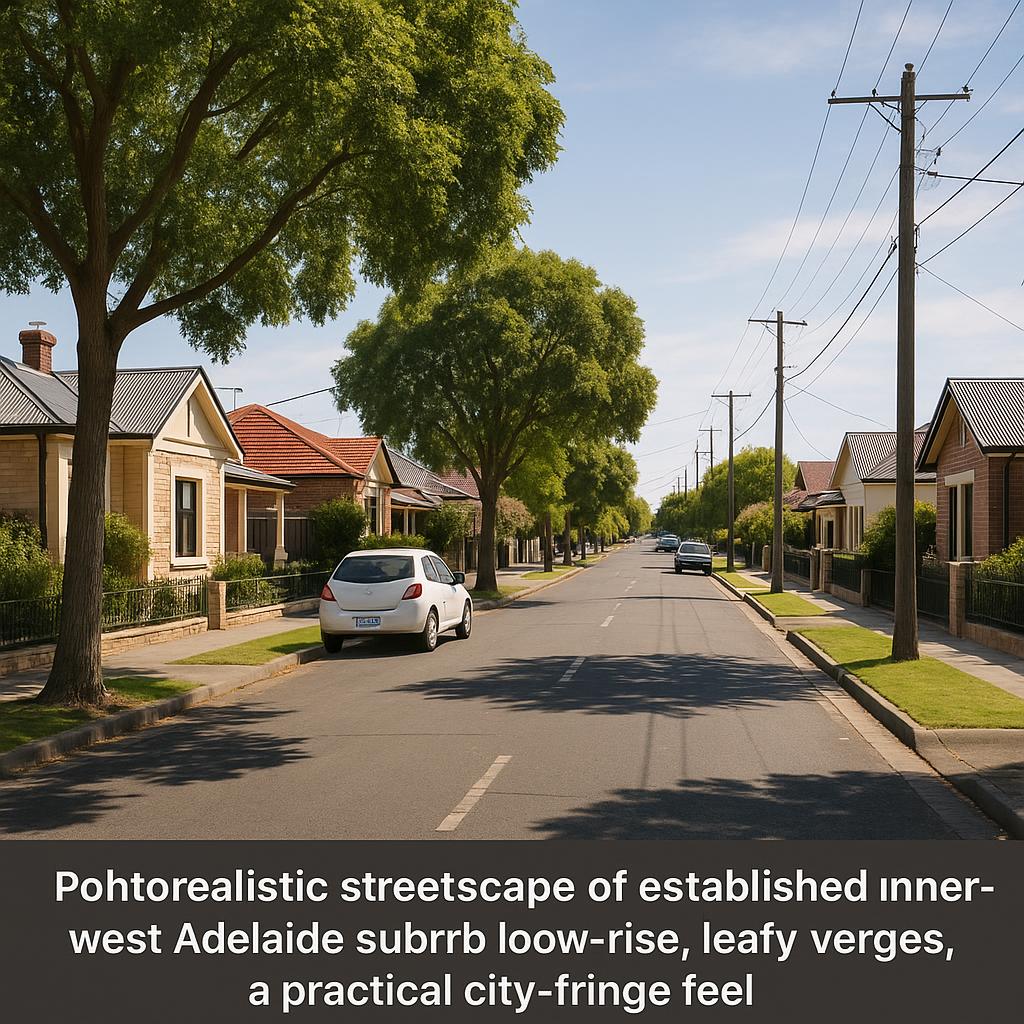
Ashford sits in Adelaide’s inner-west pocket, where convenience often carries more weight than large blocks or newer estates. That positioning gives it a practical role in the market: it can work for buyers who want shorter commutes, and for investors who value broad tenant appeal.
The suburb is best understood as a location-driven market rather than a lifestyle-showpiece market. Depending on the street and dwelling type, you may find established homes, compact low-maintenance properties, or older stock with improvement potential. That mix means value is shaped less by the suburb name alone and more by land component, presentation, layout, and how close the property is to daily services.
For buyers, the central trade-off is usually convenience versus space. A well-located home in Ashford may make more sense than a larger dwelling further out if your priority is reducing commute stress, simplifying maintenance, or keeping future resale options broad.
Buyer Demand
Buyer demand in Ashford is typically driven by practicality. First-home buyers may look for an accessible entry into a well-connected suburb, while downsizers often want a simpler home base without giving up central access.
Professionals and investors can also be attracted by the suburb’s functional profile. In this kind of market, the strongest demand usually goes to properties that are tidy, easy to maintain, and close to the features people use most often. A well-presented home with sensible parking and a workable floor plan is usually easier to sell than one relying on location alone.
Rental Market
Ashford can work well for renters who value convenience, especially singles, couples, and smaller households seeking quick access to central Adelaide and nearby employment areas. That broad appeal can help support vacancy resilience when the property is well maintained and priced realistically.
For investors, the key is matching the dwelling to the tenant profile. Low-maintenance units or townhouses often suit busy tenants, while practical houses can attract longer-term households if the layout, parking, and condition are right. Older rentals may still perform well, but only if they have been refreshed enough to compete with cleaner, easier-to-live-in alternatives.
Lifestyle, Transport & Schools
Ashford is more about everyday efficiency than destination lifestyle. That can be a strength if you want access to shops, services, health care, and work connections without needing to travel far for the basics. Buyers who prioritise simplicity often appreciate that style of suburb.
Transport access is one of the suburb’s key value drivers. Road connectivity to central Adelaide and surrounding employment areas can support both owner-occupier demand and rentals. Public transport options, where available in the immediate area, should be checked for proximity and frequency rather than assumed from a broader map view.
School access should be verified directly through current zoning and enrolment information, because family buyers often make decisions based on catchment certainty rather than general reputation. A modest home in the right school area can outperform a more attractive property outside the preferred zone for some households.
Ashford (SA) Suburb Profile
Official 2021 Census snapshot for the ABS Suburbs and Localities geography.
Age profile
Housing tenure
Occupied private dwellings by tenure type.
Salary & income profile
Median total income reported in the Census.
*Annual figures are weekly median × 52 estimates, not separate ABS annual medians.
Education & qualifications
Highest educational attainment, people aged 15+.
Employment status
People aged 15+ who reported being in the labour force.
Industry of employment
Top responses among employed people aged 15 years and over.
Occupation profile
Broad occupation groups among employed residents, including managers.
Property Type Guide
- Detached houses: Best for buyers wanting privacy, flexibility, or renovation potential, but expect more upkeep and closer inspection of building condition.
- Units and apartments: Often suit investors, downsizers, and first-home buyers who want lower maintenance, but check strata costs and parking.
- Townhouses / semi-detached homes: Can balance liveability and ease of care, with appeal to both renters and owner-occupiers.
- Older homes: May offer character or improvement upside, but only if the structure, services, and compliance issues are manageable.
- Updated properties: Usually reduce friction for tenants and buyers, and can make the asset easier to hold or resell.
Risks & Watch-Outs
- Street-level variation matters, so inspect for traffic, noise, access issues, and surrounding land uses rather than relying on suburb averages.
- Older dwellings may conceal maintenance surprises, especially around plumbing, wiring, moisture, drainage, and past alterations.
- Not every property in Ashford will suit the same strategy, so avoid assuming rental appeal or resale strength is automatic.
- Competitive buying conditions can push people toward compromises, which makes due diligence more important, not less.
- Investors should test the rental story against current listings, because perceived demand can differ from real tenant behaviour.
Nearby Suburbs to Compare
Compare Ashford with Goodwood SA Property Market Guide: Buyers & Investors, Millswood SA Property Market Guide: Buyers & Investors, Wayville SA Property Market Guide: Buyers & Investors, Torrensville Plaza SA Property Market Guide: Buyers & Investors, and Clarence Park SA Property Market Guide: Buyers & Investors if you want to compare convenience, dwelling mix, and buyer competition.
FAQ
Is Ashford SA good for first-home buyers?
Ashford can suit first-home buyers who prioritise access and practicality over larger land holdings. The main advantage is location convenience, but buyers should compare maintenance, parking, and dwelling condition carefully before stretching the budget for a “better” postcode feel.
Is Ashford a good suburb for investors?
It can be, if the property matches tenant demand and is easy to maintain. Investors should focus on liveability, layout, parking, and presentation rather than assuming any inner-west location will automatically deliver strong returns or low vacancy.
What type of property is best in Ashford?
The best property depends on your goal. Units and townhouses often suit low-maintenance strategies, while houses may suit buyers who want flexibility or renovation potential. In all cases, the street context and condition matter as much as the dwelling type.
Are there good schools near Ashford?
There may be suitable school options nearby, but school quality and catchment access should be verified directly with current official sources. Families should confirm zone boundaries, enrolment rules, and practical travel routes before using school access as a buying assumption.
Is Ashford close to the city?
Ashford’s appeal is its inner-west convenience, so it is generally considered well placed for access to central Adelaide and nearby employment areas. Use live travel planning tools and route checks to verify actual commute times from the specific property.
Conclusion
Ashford is a practical city-fringe suburb that rewards buyers who value convenience, low-friction living, and broad market appeal. It is less about prestige and more about function. If you compare properties carefully, inspect street context closely, and verify current market evidence, Ashford can be a sensible choice for both living and investing.
Sources & How to Verify
- Check current sold results on Domain to see how property type, condition, and street context are affecting real buyer prices.
- Review current rental listings on realestate.com.au so you can compare asking rents, layout, and tenant appeal before making an assumption.
- Use SA Government property information to confirm title, planning, and land context where relevant to your due diligence.
- Check zoning and development rules through the PlanSA portal before relying on any renovation or redevelopment idea.
- Verify school zones and enrolment details via the SA school zoning information rather than relying on hearsay or old boundaries.
- Review transport access and route options using the Adelaide Metro website to confirm current services near the specific property.
- Use the ABS for suburb and census context, but avoid treating older demographic snapshots as current market evidence.
- Always pair online research with a building and pest inspection, because older inner-west stock can hide issues that are not visible in listing photos.