Quick Answer
Keswick Terminal suits buyers who value connectivity, central access, and a practical base more than a classic suburban lifestyle. In this part of Adelaide’s inner fringe, the key question is not just whether the location is convenient, but whether the exact dwelling, street exposure, and noise profile suit your daily use and resale goals. Investors may find tenant appeal in low-maintenance, well-located stock, while homeowners should weigh access gains against transport-adjacent trade-offs. If you inspect carefully, it can be a strategically useful pocket.
Key Takeaways
- Keswick Terminal is best viewed as a transport-oriented location, not a conventional family suburb with broad residential amenity.
- Connectivity is the main value driver, especially for buyers who prioritise commute efficiency and access to the Adelaide CBD.
- The strongest outcomes usually come from the right micro-location, because noise, traffic, and access differences can change liveability materially.
- Investors should focus on low-maintenance assets with broad renter appeal, rather than chasing features the local market may not reward.
- Buyers who want peace, privacy, and large yards should compare nearby residential suburbs before committing to a transport-adjacent address.
Pros & Cons
Pros
- Excellent access to central Adelaide and key transport routes for commuting.
- Practical for buyers who value convenience over land size or a traditional streetscape.
- Can suit investors seeking rental demand from location-focused tenants.
Cons
- Noise, traffic, and mixed surrounding uses may reduce day-to-day comfort.
- Less appeal for families wanting a quiet, leafy, residential environment.
- perty quality and exact positioning matter more here than in many established suburbs.
Market Overview
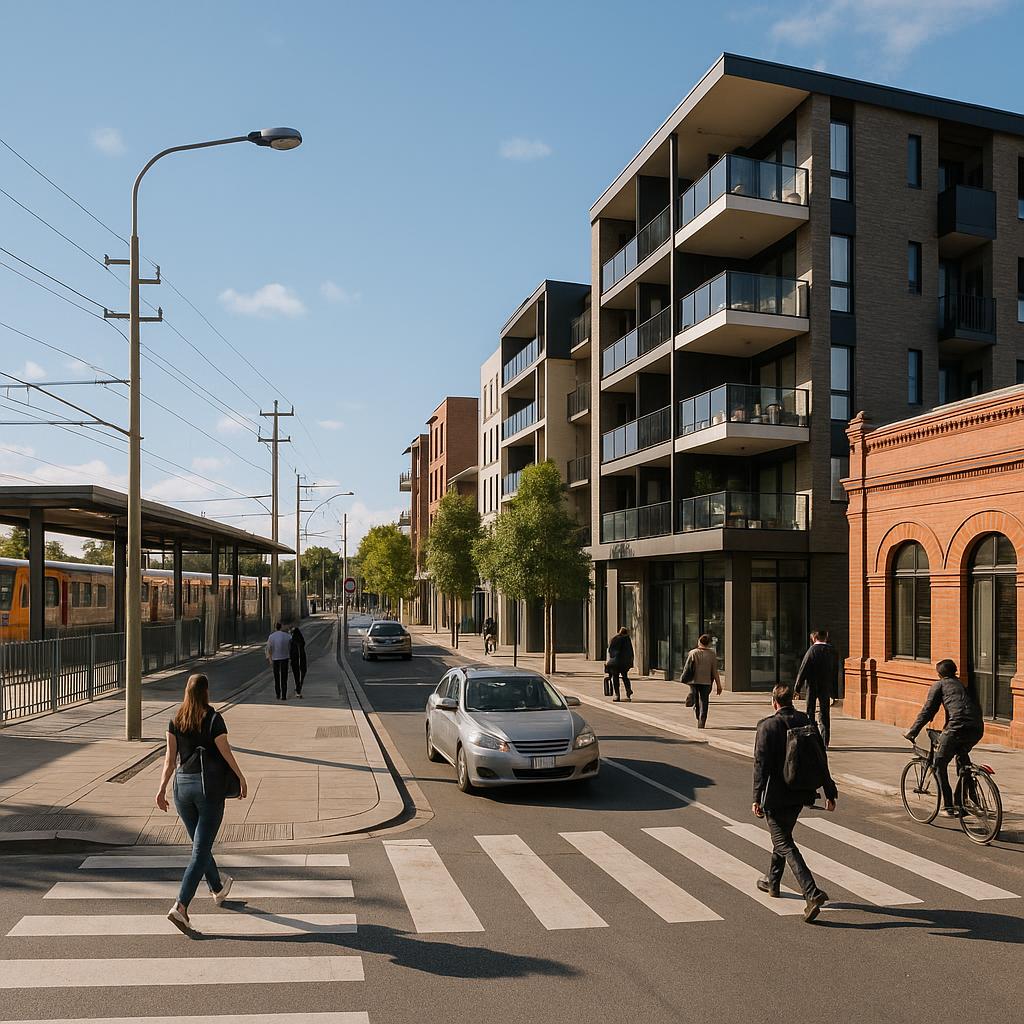
Keswick Terminal sits in a highly connected inner-west/inner-south fringe setting near Adelaide’s CBD, with market behaviour shaped more by transport access and surrounding land use than by a classic suburban housing estate. That makes it a decision-first location: buyers tend to assess whether the convenience advantage is worth the lifestyle trade-off.
For homeowners, the most important question is how the property feels on the ground. A dwelling close to major movement corridors may offer efficient access, but it can also bring more noise, less privacy, and a busier streetscape. In this kind of location, two similar properties can perform very differently depending on orientation, setbacks, and building quality.
For investors, the attraction is usually functional rather than emotional. Well-presented, low-maintenance stock near transport links can appeal to practical tenants who want to shorten commutes and simplify day-to-day life. That said, the market reward depends on leasing ease, condition, and how broadly the property appeals beyond one narrow renter type.
Buyer Demand
Demand is usually strongest from commuters, city workers, downsizers, and buyers who want a base close to Adelaide’s core. These groups are often less interested in a big backyard and more focused on saving time, reducing travel friction, and staying connected to employment and services.
In practical terms, the most competitive buyers here are often disciplined rather than aspirational. They look closely at access, parking, noise insulation, and privacy. A commuter may accept a smaller dwelling for weekday convenience, while a lifestyle buyer may walk away if the setting feels too active or compromised.
Rental Market
The rental story is largely about convenience. Properties that are easy to maintain, easy to access, and reasonably quiet for the setting are more likely to attract attention from tenants who want proximity to central Adelaide and surrounding employment areas. Soundproofing, parking, and functional layouts matter more than decorative extras.
For investors, the key is resilience rather than hype. A compact, well-kept dwelling may lease more reliably than a larger property that is harder to maintain or less convenient for the target tenant pool. If the property is exposed to noise or awkward access, pricing and presentation become even more important to sustain enquiry.
Lifestyle, Transport & Schools
Lifestyle fit here depends on how you define convenience. If your day revolves around work, transport connections, and quick city access, the location can be genuinely efficient. If you want tree-lined residential streets, more open space, and a quieter family rhythm, you may find the area too functional.
Transport is the standout advantage. Buyers should assess rail, bus, and road access in practical terms: how long it takes to leave the street at peak times, whether parking is adequate, and how straightforward the commute feels on a weekday. Those details often matter more than broader suburb reputation.
School needs should always be verified directly through official zoning and enrolment sources, because catchments and intake rules can change. Families should also check whether the surrounding environment supports their routine, including footpaths, parks, crossing points, and after-school movement, rather than assuming “close to the city” is automatically family-friendly.
Property Type Guide
- Apartments and units: Often the most aligned with the location, especially if you value convenience and lower upkeep. Check body corporate costs, sound transfer, and building condition.
- Compact villas or low-maintenance dwellings: Useful for buyers wanting a little more privacy without sacrificing access. Inspect parking, setbacks, and indoor-outdoor practicality.
- Older stock: Can offer value if the structure is sound, but budget for maintenance and refresh costs. The location premium should not hide building issues.
- Investor focus: Choose assets that are easy to lease, simple to maintain, and broad enough to suit multiple tenant types rather than one niche renter.
Risks & Watch-Outs
- Transport, traffic, and surrounding activity can create noise that affects comfort and resale.
- Micro-location matters a great deal, so one street can feel very different from the next.
- Buyers can overpay for convenience if they ignore amenity trade-offs and ongoing maintenance.
- Attached dwellings may have weaker privacy, sound transfer, or body corporate constraints.
- Planned works or land-use changes nearby can alter the experience, so verify future context before committing.
Nearby Suburbs to Compare
FAQ
What kind of buyer suits Keswick Terminal best?
It generally suits buyers who prioritise location efficiency, central access, and low-friction commuting. That includes practical owner-occupiers, downsizers, and investors who value tenant convenience over a quiet suburban feel. The best results usually come from buyers who inspect carefully and know what trade-offs they will accept.
Is Keswick Terminal good for investors?
It can be, if the asset is easy to lease and manage. Investor appeal usually comes from access, practicality, and broad tenant demand rather than prestige. Focus on dwelling type, noise exposure, maintenance risk, and whether the property can attract multiple renter profiles.
What should I check before buying near a terminal or transport hub?
Check noise levels inside and outside, traffic patterns at different times, parking, pedestrian access, and the quality of the building envelope. A second inspection on a weekday is often worthwhile because weekend conditions can understate the real-day experience.
Is it suitable for families?
It may suit some families, but it is not automatically the best fit. Families should verify school zoning, parks, safe walking routes, and whether the surrounding environment feels comfortable for children. The lifestyle trade-off may be too strong for those wanting a quieter residential pocket.
What property type is most suitable here?
Low-maintenance apartments, units, and compact dwellings often make the most sense because they align with convenience-led demand. The best choice depends on your goal: owner-occupiers may want more privacy, while investors may prefer simpler assets with broad leasing appeal.
Conclusion
Keswick Terminal is a location-led market where convenience and connectivity are the main drawcards, but the buying decision should always come back to micro-location and property type. It can work well for practical owners and disciplined investors, provided they verify noise, access, and amenity before making an offer.
Sources & how to verify
- Check zoning, overlays, and planning controls on the South Australian planning portal so you understand what can be built or changed nearby.
- Review local planning maps and development updates on the City of West Torrens site to confirm current and proposed local changes.
- Use Adelaide Metro to verify current service patterns, stops, and travel options rather than relying on general proximity.
- Confirm school zoning and enrolment details through the South Australian school zone finder before assuming a property matches your family needs.
- Compare recent sold and rental listings on Domain to see how property type, condition, and location influence current market interest.
- Cross-check active listings and historical market behaviour on realestate.com.au to understand buyer and tenant competition.
- Inspect any body corporate or strata records directly if you are considering an apartment or unit, because fees, sinking funds, and maintenance can materially affect returns.
- Visit the property at different times of day and week, because transport-adjacent locations can feel very different during peak movement periods.