Quick Answer
Black Forest is a tightly positioned inner-southwest Adelaide suburb that suits buyers who prioritise convenience, established streets, and easy access to the CBD and everyday amenity. It tends to appeal to owner-occupiers and investors who value low-friction living more than large-block scale or speculative growth stories. The best results usually come from choosing the right pocket and property type, then verifying condition, noise exposure, and resale depth before you commit.
Key Takeaways
- Black Forest’s main advantage is location: it offers practical access to central Adelaide, transport, and daily services.
- The suburb generally suits buyers who want established housing, manageable maintenance, and a convenience-first lifestyle.
- Investor appeal is strongest where the dwelling is easy to maintain, easy to rent, and aligned to local tenant expectations.
- Micro-location matters more than a broad suburb label, especially near busier roads or mixed housing pockets.
- Compare property type, condition, and holding costs carefully, because older stock can vary widely in quality.
Pros & Cons
Pros
- Inner-suburban position with strong day-to-day convenience
- Established streetscape and broad lifestyle appeal
- Useful for buyers seeking low-maintenance or commute-friendly living
Cons
- Limited scope for new housing choices and larger modern sites
- Older stock may require budget for upgrades or ongoing maintenance
- Noise and amenity trade-offs can vary sharply by exact street
Market Overview
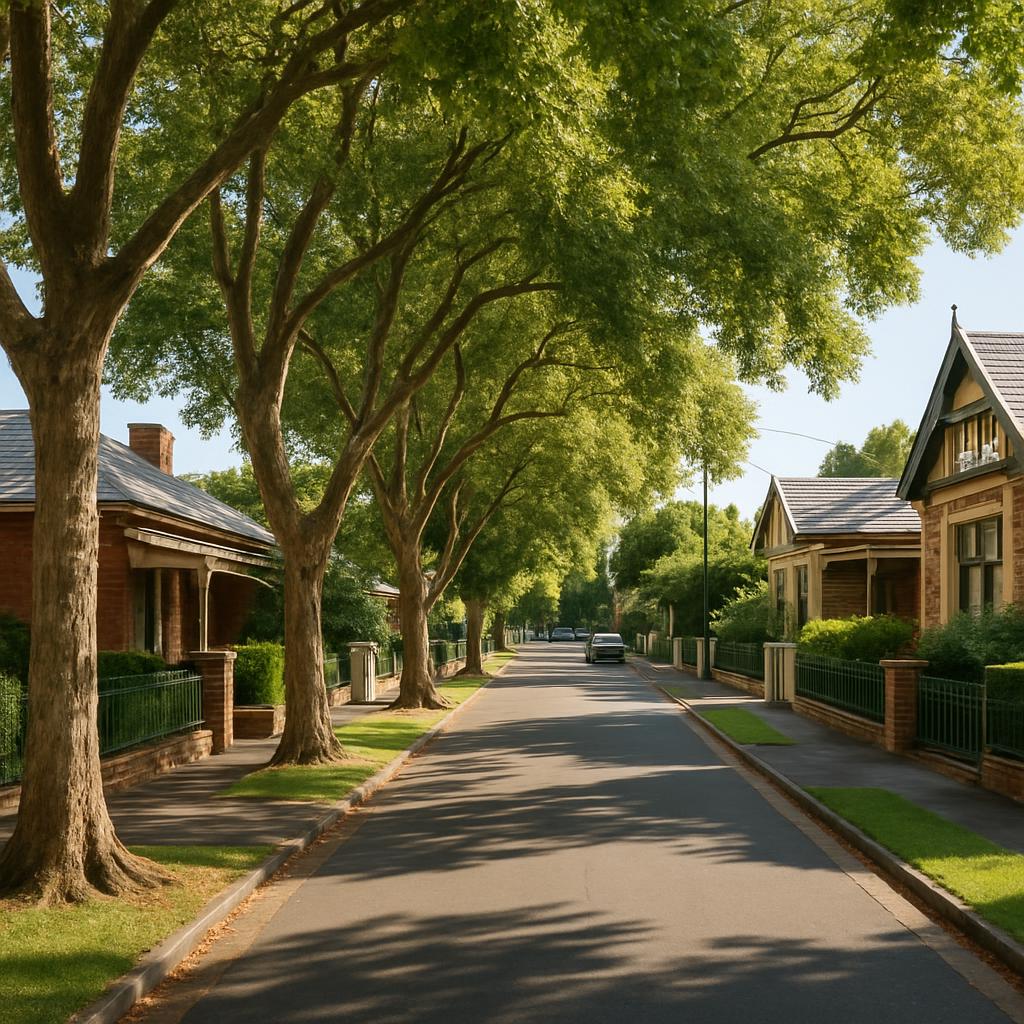
Black Forest is an established Adelaide suburb where location, not land release, does most of the heavy lifting. It is the kind of market buyers tend to compare against other inner-southwest suburbs when they want practical access to the city, transport corridors, and everyday services without moving into a purely apartment-heavy area.
The housing mix is typically what gives the suburb range: older detached homes, renovated dwellings, and some lower-maintenance options that suit downsizers and investors. That mix means the suburb can attract different buyer profiles, but it also means two properties on the same street may have very different appeal depending on finish, layout, and upkeep.
For buyers, the key question is whether Black Forest is being purchased for lifestyle convenience or for a specific asset strategy. For investors, the market often rewards properties that are simple to occupy, easy to maintain, and well located within the suburb’s more desirable residential pockets.
Buyer Demand
Demand in Black Forest is usually driven by people who value time savings and central access. That includes first-home buyers who want proximity, downsizers who want less upkeep, and families who prefer an established suburb with practical connections to the city and surrounding amenity.
From a resale perspective, the broadest appeal usually comes from well-presented homes on quieter streets with sensible layouts and good parking. Buyers competing here are often not chasing trophy homes; they are looking for a property that fits daily life without creating unnecessary maintenance or commute friction.
Rental Market
Black Forest can suit renters who prioritise convenience, especially professionals, couples, and smaller households. A low-maintenance dwelling with decent presentation, workable storage, and easy transport access is likely to feel more compelling than a larger but harder-to-live-with property.
For investors, the lesson is to assess rental appeal by property function, not suburb name alone. A well-kept unit or compact house may be easier to let than a bigger home that needs ongoing work, especially if the layout, parking, or access feels awkward for the target tenant group.
Lifestyle, Transport & Schools
Black Forest offers a practical lifestyle rather than a lifestyle built around prestige. That makes it appealing to buyers who want straightforward access to shops, services, parks, and central Adelaide without needing a long commute or a large amount of land to maintain.
Transport convenience is a core feature to verify closely. Check the relevant bus routes, driving access to major roads, and how easy it is to move through the area at different times of day. For many buyers, the suburb’s value comes from how smoothly it fits into weekday routines rather than from a single headline feature.
Families also tend to assess school options and catchment implications early in the process. Rather than relying on informal opinions, verify current zoning and enrolment information with official sources, then use that to judge whether the suburb supports your long-term household plan.
Black Forest Suburb Profile
Official 2021 Census snapshot for the ABS Suburbs and Localities geography.
Age profile
Housing tenure
Occupied private dwellings by tenure type.
Salary & income profile
Median total income reported in the Census.
*Annual figures are weekly median × 52 estimates, not separate ABS annual medians.
Education & qualifications
Highest educational attainment, people aged 15+.
Employment status
People aged 15+ who reported being in the labour force.
Industry of employment
Top responses among employed people aged 15 years and over.
Occupation profile
Broad occupation groups among employed residents, including managers.
Property Type Guide
- Detached houses: Best for buyers wanting privacy and flexibility; inspect older homes carefully for deferred maintenance and renovation quality.
- Units and low-maintenance homes: Often suit investors, downsizers, and first-home buyers who value simplicity, lower upkeep, and easier renting.
- Older character homes: Can offer charm and street presence, but only if condition, layout, and upgrade costs make sense.
- Renovated homes: Attractive to end-users seeking move-in-ready convenience; verify whether updates are cosmetic or substantial.
- Best-fit rule: Match the dwelling to your holding period, maintenance tolerance, and likely exit buyer, not just your initial preference.
Risks & Watch-Outs
- Exact street position matters, because busy-road exposure, traffic flow, and privacy can materially change buyer and tenant appeal.
- Older homes may carry hidden costs in roofs, plumbing, wiring, insulation, or damp issues, so inspect beyond surface presentation.
- A “renovated” label does not guarantee quality; some improvements are cosmetic and may not reduce future maintenance needs.
- Investors should avoid assuming central suburbs automatically deliver strong returns, because rentability depends on the dwelling’s practicality.
- Check on-site parking, access, and noise at different times of day, since these factors often influence lived experience more than floorplan size.
Nearby Suburbs to Compare
- Goodwood SA Property Market Guide: Buyers & Investors
- Clarence Park SA Property Market Guide: Buyers & Investors
- Millswood SA Property Market Guide: Buyers & Investors
- Wayville SA Property Market Guide: Buyers & Investors
- Kings Park SA Property Market Guide: Buyers & Investors
FAQ
Is Black Forest a good suburb for first-home buyers?
It can be, if your priority is location and practicality rather than maximum land size. First-home buyers should focus on entry-level properties that are structurally sound, low-fuss, and well connected to transport and everyday amenity.
Is Black Forest suitable for property investors?
Yes, provided the asset suits local tenant demand. The strongest investor case is usually a well-presented, easy-to-maintain dwelling with sensible parking, good presentation, and a layout that supports commuter-friendly, low-maintenance living.
What type of property generally works best in Black Forest?
That depends on your strategy. For investors and downsizers, units or compact homes can be efficient. For owner-occupiers wanting longer-term flexibility, a house on a quieter street may justify the extra upkeep.
Is Black Forest family-friendly?
It can be, particularly for families who want central access and practical routines. The key is to verify schooling options, street quietness, parking, and whether the home’s layout actually works for daily family life.
Does micro-location matter within Black Forest?
Very much so. Homes near busier routes, with less privacy or more traffic exposure, may feel very different from similarly sized homes in quieter pockets. Inspect at different times before relying on appearance alone.
Conclusion
Black Forest is best understood as a convenience-led Adelaide suburb with broad but selective appeal. It rewards buyers who assess property type, condition, and micro-location carefully, and it suits investors who value steady tenant fit over hype. If the dwelling matches your use case, Black Forest can be a sensible, durable choice.
Sources & how to verify
- Check current sold evidence on Domain so you can compare recent nearby results rather than relying on broad suburb assumptions.
- Review active rentals on realestate.com.au to confirm what property types are actually being advertised to tenants right now.
- Use the Australian Bureau of Statistics to understand broader demographic context, but avoid treating older census snapshots as current market performance data.
- Check transport routes and service changes on the Adelaide Metro site to verify how convenient the suburb is for your commute.
- Confirm school zones and enrolment rules through the SA Department for Education rather than relying on informal rankings or hearsay.
- Review zoning and planning controls on the SA Planning and Design Code so you understand renovation and development constraints before making assumptions.
- Cross-check suburb boundaries, land use, and local amenity using the relevant local council website, because council-level maps can clarify street-by-street differences.
- Ask a local agent or property manager to explain tenant demand, noise exposure, and likely resale buyer groups for the exact street, not just the suburb name.