Quick Answer
Albert Park is a tightly held inner-bayside suburb that suits buyers and investors who prioritise lifestyle, walkability, heritage streetscapes, and proximity to the CBD. It is typically a quality-driven market rather than a bargain market, so the best results come from careful property selection, not broad suburb exposure. If you want low-friction commuting, strong owner-occupier appeal, and a tenant pool that values location and presentation, Albert Park deserves close attention.
Key Takeaways
- Albert Park combines bayside living, village convenience, and inner-city access, which keeps it highly desirable.
- Scarcity matters here: limited stock and low turnover can support confidence for well-chosen homes.
- Owner-occupiers often compete strongly for character homes, renovated dwellings, and premium locations.
- Investors should focus on tenant fit, layout quality, and long-term maintenance rather than headline suburb appeal alone.
- Local street position, parking, and renovation quality can materially change buying outcomes within the same suburb.
Pros & Cons
Pros
- Inner-bayside lifestyle with strong walkability, parks, cafés, and a polished village atmosphere.
- Excellent convenience for CBD access and other inner-Melbourne employment hubs.
- Strong scarcity value from tightly held housing stock and limited land supply.
Cons
- Premium entry expectations can make it a challenging suburb for buyers seeking value.
- Heritage and planning overlays may restrict extensions, façade changes, or redevelopment plans.
- Parking, storage, and ongoing maintenance can be more difficult in older or denser property types.
Market Overview
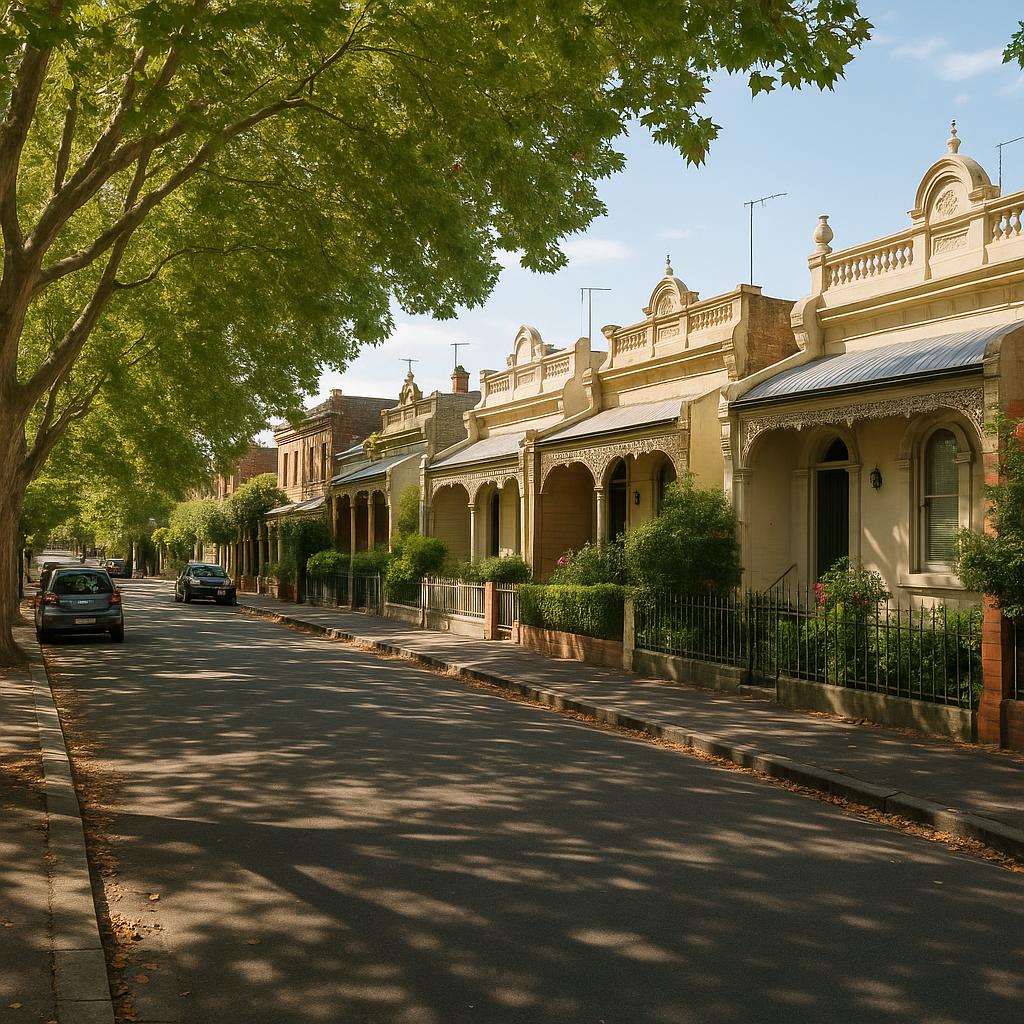
Albert Park sits in Melbourne’s inner-bayside corridor and is known for its heritage character, village retail strips, leafy streets, and close connection to the CBD and the bay. It is the sort of suburb where the appeal is built on daily lived experience: walking to coffee, getting to work quickly, and enjoying established streetscapes. That makes it especially attractive to end-users, which is one reason stock tends to stay tightly held.
For buyers, the key point is that Albert Park is not a broad, one-size-fits-all market. A quiet street, a well-oriented terrace, or a well-finished apartment can perform very differently depending on light, access, condition, and the quality of nearby housing. Investors should think in terms of property fit and tenant profile first, then suburb brand second.
The market usually rewards buyers who understand the practical trade-offs: older character homes can deliver strong appeal but may require careful maintenance, while lower-maintenance apartments and townhouses can offer easier ownership and broader rental appeal. If you are comparing properties, inspect at different times of day and assess parking, noise, storage, and renovation scope before assuming the suburb name alone will carry the decision.
Buyer Demand
Buyer demand in Albert Park is typically driven by owner-occupiers, downsizers, professionals, and families who value a premium location with day-to-day convenience. The suburb has a strong emotional pull, especially for buyers who want a home that feels established rather than newly built or heavily commercialised.
That demand can be very selective. Well-presented homes with good natural light, usable floorplans, and easy access to amenities often attract the strongest interest. Buyers should be ready to move quickly on properties that genuinely fit their brief, because quality stock can be noticed quickly in a tightly held market. For broader context, compare the local feel with nearby Middle Park or South Melbourne.
Rental Market
Albert Park tends to appeal to tenants who want lifestyle and convenience in the same address. That often includes professionals, couples, relocators, and longer-stay renters who value proximity to the CBD, the bay, and quality local amenity. In a premium suburb like this, the rental story is usually about tenant quality and retention rather than chasing a purely yield-led strategy.
For investors, the best-performing properties are usually the ones that are easy to live in and easy to maintain. Practical layouts, heating and cooling, storage, outdoor space, and well-managed parking all matter. A refined apartment near transport may suit a single professional, while a renovated terrace may suit a couple or small household wanting a more character-rich home. Always verify current asking rents against active listings and comparable recent leases before relying on assumptions.
Lifestyle, Transport & Schools
Albert Park’s lifestyle appeal is one of its biggest strengths. Residents are drawn to the combination of bayside access, parks, local dining, and a genuine neighbourhood feel that still sits very close to the CBD. For many buyers, the appeal is not just the suburb itself, but how little friction it creates in everyday routines.
Transport convenience is another major draw. Tram access and walkability can reduce reliance on the car, which broadens the suburb’s appeal for professionals and downsizers. Even so, parking remains important in many pockets, so do not assume car accommodation will be easy just because the suburb is compact. Check the actual street conditions and the practicality of storage before you buy.
School considerations can influence family demand, but catchments and enrolment arrangements should always be checked directly through official sources. If schooling matters to your purchase plan, verify current boundaries and transport options before making an offer. Families often choose Albert Park for the lifestyle and then build their schooling strategy around the home rather than the reverse.
Albert Park (Vic.) Suburb Profile
Official 2021 Census snapshot for the ABS Suburbs and Localities geography.
Age profile
Housing tenure
Occupied private dwellings by tenure type.
Salary & income profile
Median total income reported in the Census.
*Annual figures are weekly median × 52 estimates, not separate ABS annual medians.
Education & qualifications
Highest educational attainment, people aged 15+.
Employment status
People aged 15+ who reported being in the labour force.
Industry of employment
Top responses among employed people aged 15 years and over.
Occupation profile
Broad occupation groups among employed residents, including managers.
Property Type Guide
- Heritage terraces and period homes: Best for buyers who value character, street appeal, and long-term owner-occupier desirability; expect higher upkeep and possible planning limits.
- Apartments: Best for investors and downsizers seeking lower-maintenance living; check owners corporation rules, building quality, and layout efficiency.
- Townhouses: Often a useful middle ground between character and convenience, but practical access, privacy, and body corporate settings still matter.
- Renovated homes: Attractive to buyers wanting move-in readiness, though the premium may already be built into the asking price.
- Original stock: Can offer upside if the fundamentals are strong, but budget carefully for upgrades, trades, and compliance work.
- What to inspect: Light, airflow, storage, noise, outdoor usability, parking, and the long-term maintenance story of the building or home.
Risks & Watch-Outs
- Heritage and planning controls can limit extensions or major alterations, so check them before getting emotionally attached.
- Premium pricing can hide practical compromises, especially if the property looks charming but functions poorly day to day.
- Parking and access can be a real issue for multi-car households or anyone who regularly hosts visitors.
- Older homes may carry hidden repair costs, so building and pest due diligence is essential, not optional.
- Apartments and townhouses may have owners corporation obligations that affect cost, control, and future resale appeal.
Nearby Suburbs to Compare
- South Melbourne
- Middle Park
- Port Melbourne
- St Kilda West
- South Yarra
FAQ
Is Albert Park a good suburb for property investors?
It can be, especially for investors who value blue-chip location, tenant quality, and scarcity. The main trade-off is that premium entry costs can be high, so the case usually rests on long-term desirability and lower vacancy stress rather than aggressive yield assumptions.
Is Albert Park better for owner-occupiers or investors?
It often leans toward owner-occupiers because the lifestyle and character appeal are so strong. That said, investors can still do well if they select the right property type and understand the tenant profile. The suburb rewards patience and quality-focused purchasing.
What property types work best in Albert Park?
That depends on your goal. Terraces and period homes suit buyers seeking character and prestige, while apartments and townhouses can suit investors or downsizers who want lower maintenance. The best choice is the one that matches your budget, usage needs, and holding strategy.
What should I watch out for before buying?
Check heritage controls, parking practicality, storage, owners corporation rules where relevant, and the real cost of maintenance. Also inspect the street and building at different times of day. In Albert Park, small practical issues can materially affect long-term satisfaction and resale appeal.
How does Albert Park compare with nearby suburbs?
Compared with surrounding areas, Albert Park generally offers a more polished village feel and strong bayside identity. Nearby suburbs may offer different trade-offs in apartment stock, commercial activity, or price sensitivity, so compare lifestyle, property type, and future flexibility rather than relying on postcode prestige alone.
Conclusion
Albert Park is a premium, tightly held suburb that rewards buyers who understand its lifestyle-led nature. It is especially compelling for those who value daily convenience, character, and a strong inner-bayside identity. The best purchases here are usually the ones that fit well, function well, and hold broad appeal over time.
Sources & How to Verify
- Check current listing and sold-result evidence on Domain so you can compare asking prices, recent sales, and the quality of active stock.
- Review local rentals on realestate.com.au rentals to verify current asking rents, property types, and tenant appeal in the suburb.
- Use Property.com.au to cross-check sale histories, property features, and comparable homes before making assumptions about value.
- Confirm zoning, overlays, and planning constraints with Planning Victoria, especially if you are considering renovations or redevelopment.
- Check official schooling information on Find My School because catchments and enrolment rules can materially affect family demand.
- Use the Australian Bureau of Statistics for broader demographic context, but do not rely on it for current micro-market pricing or rent estimates.
- Review transport options and service changes on the Public Transport Victoria website so you can verify route access and commuting practicality.
- Ask the selling agent for a title search, owners corporation records, and recent building reports where relevant, then compare those documents with your own independent inspection.