Quick Answer
Alphington is a tightly held inner-north-east Melbourne suburb that suits buyers who want an established, leafy feel with practical access to the CBD and major amenity. It is generally strongest for owner-occupiers, lifestyle-led upsizers, and investors chasing durable tenant demand rather than short-term speculation. The best outcomes usually come from well-located, well-presented homes, because micro-location, condition, and property type can change value and rentability materially within the same suburb.
Key Takeaways
- Alphington tends to reward buyers who value convenience, character, and long-term liveability over fast-turn speculation.
- Demand is often strongest for homes that reduce daily friction, especially those near transport, green space, and amenity.
- Property condition matters more here than many buyers expect, because presentation can shape both resale appeal and rental interest.
- Investors should favour broad-appeal layouts and manageable maintenance, not prestige features that do little for tenant demand.
- Comparing nearby suburbs is essential, because Alphington’s value proposition changes depending on your priority: commute, land, or lifestyle.
Pros & Cons
Pros
- Established, leafy streetscapes with enduring lifestyle appeal.
- Good access to city-bound commuting options and everyday convenience.
- Broad appeal to families, professionals, and downsizers.
Cons
- Quality stock is limited, so well-located homes can attract strong competition.
- Older homes may carry hidden maintenance or renovation costs.
- Micro-location and property type can materially affect value, rent, and future resale.
Market Overview
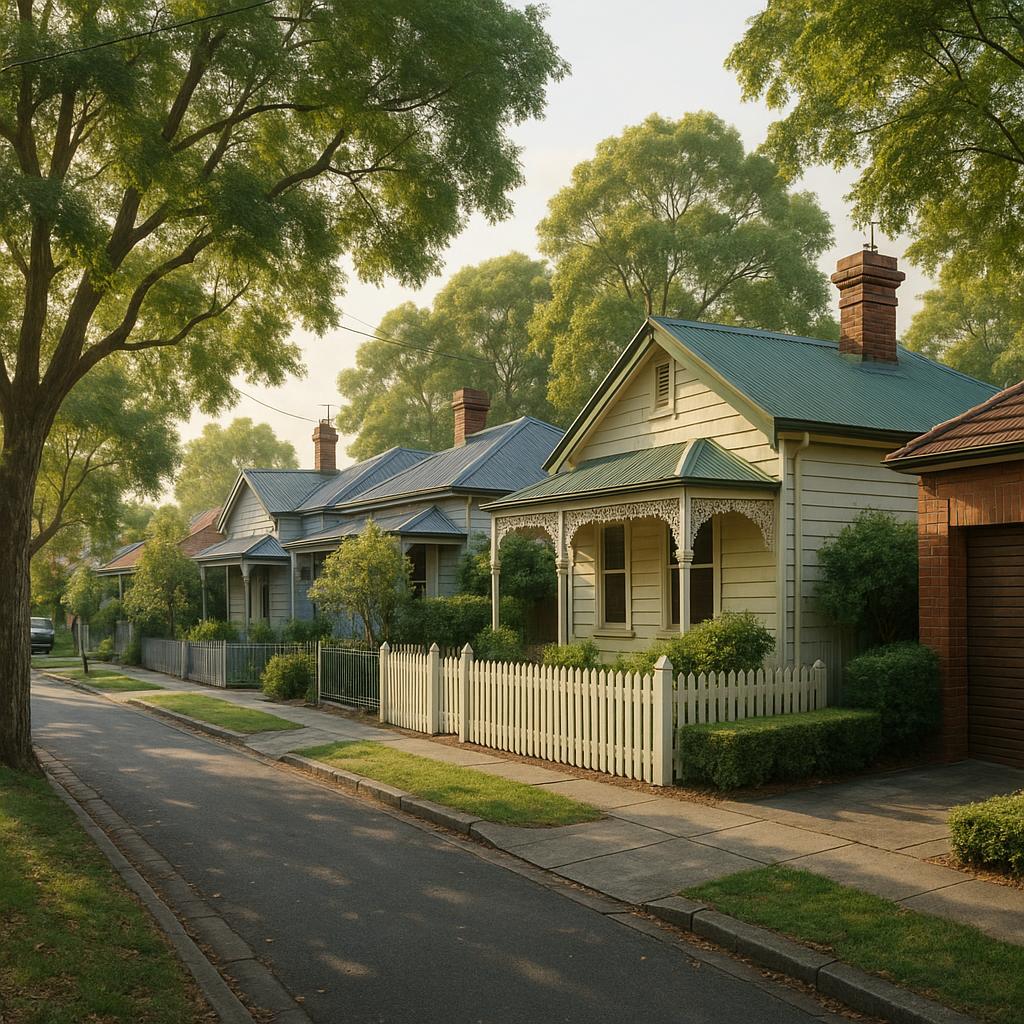
Alphington sits in Melbourne’s inner north-east and is best understood as an established suburb where scarcity, location, and liveability do much of the heavy lifting. The market is shaped by a mix of period homes, updated family residences, and smaller-scale modern dwellings, with buyer attention often concentrated on streets that feel quiet, green, and conveniently connected.
For many buyers, Alphington is less about chasing novelty and more about securing a stable, well-connected base. That makes the suburb attractive to owner-occupiers who want to stay put for years, but it also means investors need to be selective about stock quality and tenant appeal rather than assuming any address will perform the same way.
In practical terms, Alphington is the kind of suburb where a good home in the right pocket can outperform a similar home in a less convenient street. Renovation quality, land utility, and access to transport or amenity can all influence how quickly a property sells and how strongly it rents.
Buyer Demand
Buyer demand is typically driven by owner-occupiers first: families, professional couples, and downsizers who value a calmer suburban feel without giving up inner-city access. That creates a market where emotional factors matter, but only if the property also works functionally for day-to-day living.
Move-in-ready homes and well-balanced floorplans often attract the widest audience. Buyers usually respond best to properties that shorten commute stress, support family routines, and feel easy to maintain, which is why presentation and practical layout can matter as much as land content.
Rental Market
Alphington’s rental appeal is usually strongest among tenants who want a convenient, established location with a more residential feel than many inner-city alternatives. Professionals, couples, and smaller households are often drawn to the suburb if they can combine access to work corridors with a calmer streetscape.
For investors, the priority is to choose a property that stays broadly rentable across market cycles. Low-maintenance dwellings, sensible layouts, good light, and easy access to transport or nearby amenity are typically more useful than expensive features that look impressive but don’t lift tenant demand proportionately.
Lifestyle, Transport & Schools
Alphington’s lifestyle appeal comes from its established character, greenery, and the sense that daily life feels manageable rather than hectic. Buyers often like the balance between local convenience and open-air amenity, especially where parks, walking paths, cafés, and nearby retail are easy to reach.
Transport matters here because it directly affects the suburb’s usability. Train access is especially important for commuters, while tram and road connections add flexibility for school runs, work travel, and weekend movement across Melbourne.
School access is a real consideration for family buyers, but it should always be verified using current official school-zone maps and enrolment information. Families often make Alphington part of a broader education-and-commute trade-off, choosing convenience and stability over chasing more house for the money elsewhere.
Alphington Suburb Profile
Official 2021 Census snapshot for the ABS Suburbs and Localities geography.
Age profile
Housing tenure
Occupied private dwellings by tenure type.
Salary & income profile
Median total income reported in the Census.
*Annual figures are weekly median × 52 estimates, not separate ABS annual medians.
Education & qualifications
Highest educational attainment, people aged 15+.
Employment status
People aged 15+ who reported being in the labour force.
Industry of employment
Top responses among employed people aged 15 years and over.
Occupation profile
Broad occupation groups among employed residents, including managers.
Property Type Guide
- Period homes: Strong character and renovation upside, but factor in maintenance, layout inefficiency, and hidden repair costs.
- Updated family homes: Usually appeal to the widest buyer pool, though fully renovated stock may already price in much of the value.
- Townhouses / low-rise modern homes: Lower-maintenance and practical, often attractive to downsizers and busy professionals.
- Apartments and smaller dwellings: Can offer a more accessible entry point, but building quality and long-term scarcity become critical.
- Investor lens: Prefer layouts that lease easily, keep upkeep manageable, and suit the strongest tenant profile for the suburb.
- Buyer lens: Decide early whether you are prioritising land, lifestyle, or convenience, because each leads to a different purchase.
Risks & Watch-Outs
- Overpaying for emotion: A pretty street or charming façade can distract from underlying value and resale depth.
- Underestimating renovation cost: Older homes may need structural, electrical, or moisture-related work beyond cosmetic updates.
- Ignoring micro-location: Noise, traffic exposure, access issues, and awkward siting can affect how a property performs.
- Misreading comparables: Not every Alphington home competes in the same buyer pool, so nearby sales need careful interpretation.
- Chasing style over practicality: Investors especially should avoid features that are expensive to build but weak in rental terms.
Nearby Suburbs to Compare
- Clifton Hill VIC Property Market Guide: Buyers & Investors
- Ivanhoe
- Fitzroy North VIC Property Market Guide: Buyers & Investors
- Brunswick East VIC Property Market Guide: Buyers & Investors
- Carlton North VIC Property Market Guide: Buyers & Investors
FAQ
Is Alphington good for first-home buyers?
It can be, but it depends on budget, borrowing capacity, and whether you are prepared to compromise on size, finish level, or renovation work. First-home buyers often do best when they focus on a practical property rather than chasing the “best” street.
Is Alphington better for families or investors?
It can work for both, but the reasons differ. Families tend to value lifestyle, schooling convenience, and long-term stability, while investors should focus on tenant depth, low-maintenance design, and easy access to transport and amenity.
What type of property is best in Alphington?
There is no single best type. Character homes suit buyers who want land and renovation upside, while low-rise modern dwellings may suit downsizers or investors seeking less maintenance and simpler day-to-day ownership.
How important is transport in Alphington?
Very important. Transport access affects commuting convenience, household flexibility, and rental demand. A home with easier access to rail or strong road links will usually appeal to a broader range of buyers and tenants.
Should I prioritise renovation potential or move-in readiness?
That depends on your budget, time, and tolerance for risk. Renovation potential can create upside, but move-in-ready homes reduce uncertainty and often attract stronger competition from buyers who want immediate livability.
Conclusion
Alphington is a strong consideration for buyers who want an established, leafy, and connected Melbourne suburb with lasting appeal. The best purchases here usually combine location quality, practical floorplans, and manageable upkeep. If you are clear on your strategy and selective about the asset, Alphington can support both lifestyle goals and long-term property performance.
Sources & How to Verify
- Check current sold prices, listing quality, and time-on-market trends on Domain so you are not relying on outdated market assumptions.
- Review live rental listings on realestate.com.au to see the property features tenants are actually being offered today.
- Confirm suburb boundaries, planning controls, and local amenity changes with Yarra City Council before making micro-location assumptions.
- Use ABS data for broad demographic context, but remember that census figures are historical and should be paired with live market evidence.
- Verify train and tram details, service patterns, and any network changes through Public Transport Victoria rather than relying on hearsay or older listings.
- Check school zoning and enrolment rules on the Find My School site, because zone boundaries and intake priorities can change.
- Compare recent sales in Alphington and nearby suburbs with a local agent or trusted valuer so you can judge whether a specific property is priced fairly for its condition.
Internal link suggestions: Clifton Hill, Fitzroy North, Brunswick East, Carlton North