Quick Answer
Kooyong is a tightly held, blue-chip inner-east suburb that suits buyers prioritising prestige, privacy, and long-term livability over bargain pricing or high rental yield. It is typically most attractive to established families, downsizers, and investors seeking scarcity-driven demand and capital preservation rather than rapid turnover. For buyers, the key is to focus on street quality, land value, layout, and renovation potential. For investors, rental performance is usually supported by location appeal and tenant quality, not affordability.
Key Takeaways
- Kooyong is a prestige suburb with limited stock, so patience and property selection matter more than fast decision-making.
- Owner-occupier demand is strong because buyers value quiet streets, established housing, and inner-east convenience.
- The market tends to reward quality homes, good land parcels, and renovation upside rather than generic apartments.
- Investors should expect a capital-growth mindset, with rental returns often secondary to asset quality and tenant stability.
- Understanding Kooyong as a scarcity market helps you verify value by comparing individual streets, not just suburb reputation.
Pros & Cons
Pros
- Prestigious, leafy, low-density atmosphere.
- Strong lifestyle appeal with inner-east connectivity.
- Limited supply can support long-term value resilience.
Cons
- Limited stock and fewer entry-level options.
- Higher purchase prices than more affordable neighbouring suburbs.
- Rental returns may be less compelling than in higher-yield markets.
Market Overview
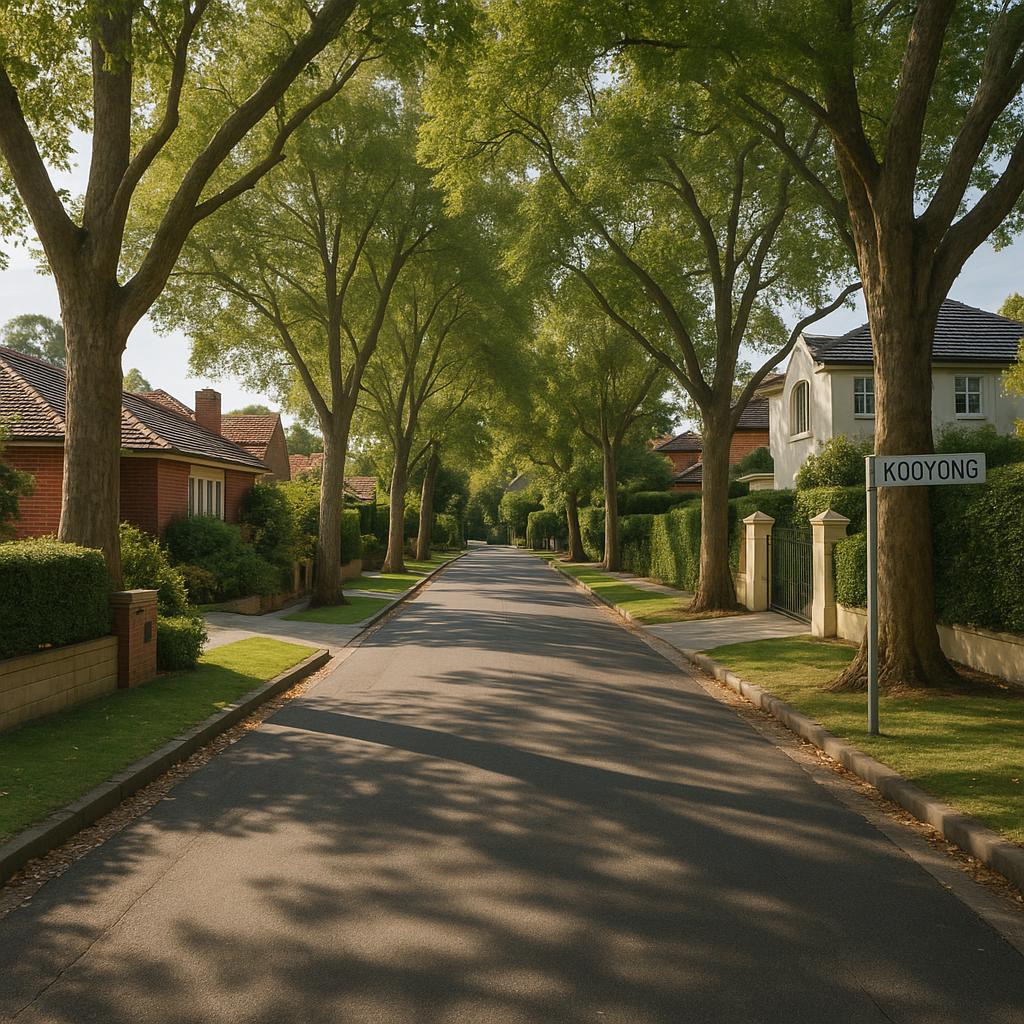
Kooyong is a small, established inner-east suburb with a quiet residential character and a premium market position. It is generally associated with detached homes, period architecture, and a strong sense of exclusivity, which means buyers often compete for quality rather than quantity.
The market typically behaves like a low-turnover, high-discernment environment. Well-presented homes, better land parcels, and properties with sensible renovation potential usually attract the strongest attention. By contrast, homes with awkward layouts or compromised streetscape appeal can take longer to find the right buyer, even in a prestige area.
For buyers, the practical takeaway is to inspect carefully and compare street by street. In a suburb like Kooyong, small differences in orientation, privacy, car access, and extension potential can materially affect long-term appeal and resale confidence.
Buyer Demand
Demand in Kooyong is usually driven by established families, downsizers wanting a premium address without the intensity of denser locations, and professionals who value convenience. The suburb also attracts buyers making a deliberate lifestyle upgrade from nearby areas.
What matters most is not affordability but aspiration, confidence, and fit. That means homes with strong land value, tasteful renovation, and practical family layouts often perform best with the broadest buyer pool. For purchasers, this makes due diligence on the property itself more important than relying on the suburb name alone.
Rental Market
Kooyong’s rental appeal is generally niche rather than broad-based. Tenants are often looking for prestige, access, and convenience, including professionals, families between homes, and renters who prioritise school and lifestyle proximity over entry-level pricing.
For investors, it is usually wiser to underwrite conservatively. Rental demand may be steady, but the real thesis is often asset quality, location durability, and long-term capital preservation. Presentation, parking, storage, and floor plan functionality can matter as much as the address itself.
Lifestyle, Transport & Schools
Kooyong offers a calm, leafy, established residential environment that suits buyers who want privacy and a refined streetscape. The suburb’s lifestyle appeal is a core part of its value proposition, especially for households that want suburban quiet without giving up inner-Melbourne access.
Transport access is an important practical advantage, especially for CBD commuters and school-run households. Buyers should verify train access, tram connectivity, and drive-time convenience for their own routine, because in a premium suburb the daily logistics often influence enjoyment more than headline amenity.
Schools are a major consideration for many Kooyong buyers, but the right approach is to check catchments, admissions criteria, and commute practicality directly with current official sources. Rather than relying on rankings, assess whether the suburb fits your household’s education, transport, and after-school routine.
Kooyong Suburb Profile
Official 2021 Census snapshot for the ABS Suburbs and Localities geography.
Age profile
Housing tenure
Occupied private dwellings by tenure type.
Salary & income profile
Median total income reported in the Census.
*Annual figures are weekly median × 52 estimates, not separate ABS annual medians.
Education & qualifications
Highest educational attainment, people aged 15+.
Employment status
People aged 15+ who reported being in the labour force.
Industry of employment
Top responses among employed people aged 15 years and over.
Occupation profile
Broad occupation groups among employed residents, including managers.
Property Type Guide
- Period homes: Strong appeal for buyers who value character, but they may need maintenance, updates, or sensitive restoration.
- Renovated family homes: Often suit buyers wanting a turnkey option with better resale confidence and immediate livability.
- Larger detached homes: Typically appeal to families seeking space, privacy, and long-term household flexibility.
- Smaller dwellings or attached homes: Less common, but can suit downsizers or buyers prioritising low-maintenance living.
- Investor lens: Prioritise functional layouts, parking, and tenant-friendly presentation over prestige features that do not improve leasing appeal.
Risks & Watch-Outs
- Low stock can create pressure to act quickly, which increases the risk of overpaying without enough comparison.
- Prestige pricing can distract buyers from property fundamentals such as layout, orientation, and future adaptability.
- Older homes may come with renovation and maintenance costs that are easy to underestimate before purchase.
- Rental returns may not offset holding costs as comfortably as in more affordable or higher-yield suburbs.
- Street-by-street variation matters, so two similar-looking homes can have very different resale outcomes.
Nearby Suburbs to Compare
- Armadale VIC Property Market Guide: Buyers & Investors
- Hawthorn East VIC Property Market Guide: Buyers & Investors
- Malvern
- Toorak
- Glen Iris
FAQ
Is Kooyong a good suburb for buyers?
Yes, if you value prestige, privacy, and long-term livability more than volume or discount buying. Kooyong tends to suit patient buyers who are prepared to compare individual streets carefully and wait for the right home rather than the next available listing.
Is Kooyong a good suburb for investors?
It can be, but mainly for investors focused on capital preservation, tenant quality, and scarcity-driven demand. Rental returns are usually not the main attraction, so the property should be assessed as a long-hold asset rather than a cash-flow play.
What types of homes are common in Kooyong?
Kooyong is commonly associated with detached period homes and renovated family residences, with some smaller low-maintenance dwellings in select pockets. Buyers should inspect floor plan efficiency, outdoor usability, and whether the home suits the likely local buyer pool.
Is Kooyong suited to families?
Often yes, particularly for households that want quiet streets, access to amenities, and practical connections for school routines. Families should verify school zoning, daily commute patterns, parking needs, and whether the property supports long-term household use.
What should I watch out for when buying in Kooyong?
Focus on low stock, premium pricing, renovation costs, and layout limitations. Also compare streets, not just listings, because the best outcomes usually come from a good land position, strong presentation, and realistic exit options rather than brand-name suburb assumptions.
Conclusion
Kooyong is a premium inner-east suburb where scarcity, lifestyle, and long-term desirability shape buyer outcomes. It suits people who want quality, convenience, and a stable ownership horizon. The best decisions here usually come from disciplined property-level analysis: street quality, layout, land value, and future flexibility.
Sources & how to verify
- Check current listings and recent sales on Domain to ground any valuation view in live market evidence rather than suburb reputation.
- Review active and sold comparable properties on realestate.com.au so you can compare condition, land size, and renovation level across similar homes.
- Use ABS data to understand the suburb’s broader demographic and housing context, but verify that you are reading the latest available release.
- Confirm train and tram access via Public Transport Victoria before assuming commute convenience from a map alone.
- Check school zones and enrolment details on Find My School because catchments and eligibility can change, and they should be verified for the exact address.
- Read local planning controls on the local council website to see whether heritage, overlays, or permit rules may affect renovation or extension plans.
- Search auction and sales history through a licensed agent or buyer advocate, then cross-check with portals, because prestige suburbs can have thin comparable evidence.