Quick Answer
Williamstown North is a tightly held inner-west suburb with strong lifestyle appeal, established housing, and practical access to Melbourne’s west and CBD-bound transport links. It generally suits buyers who want a settled residential feel near the waterfront, parks, and nearby amenity, and investors who value durable tenant demand over chasing headline yield. The key is to buy the right dwelling type on the right street, then verify current market conditions, zoning, and rental evidence before making an offer.
Key Takeaways
- Williamstown North tends to appeal to owner-occupiers first, which can support a more stable and emotionally driven market.
- The suburb’s value proposition is usually built on lifestyle, scarcity, and access to the broader Williamstown and Hobsons Bay area.
- Buyers should judge each pocket carefully because street quality, traffic exposure, and home condition can materially change appeal.
- Investors should focus on tenant fit, maintenance risk, and long-term holding strategy rather than assuming prestige automatically means strong cash flow.
- Current sales and rental evidence should always be checked in real time, because small inner-west markets can move differently from headline Melbourne trends.
Pros & Cons
Pros
- Established inner-west location with enduring lifestyle appeal.
- Good fit for buyers wanting a quieter, more residential setting near strong amenity.
- Can attract quality long-term tenants and owner-occupiers who value stability.
Cons
- Limited stock can make choice thin, especially for buyers with a strict brief.
- Older housing may require more upkeep, renovation budgeting, or compliance checks.
- Some pockets may involve trade-offs around traffic, noise, or convenience versus liveability.
Market Overview
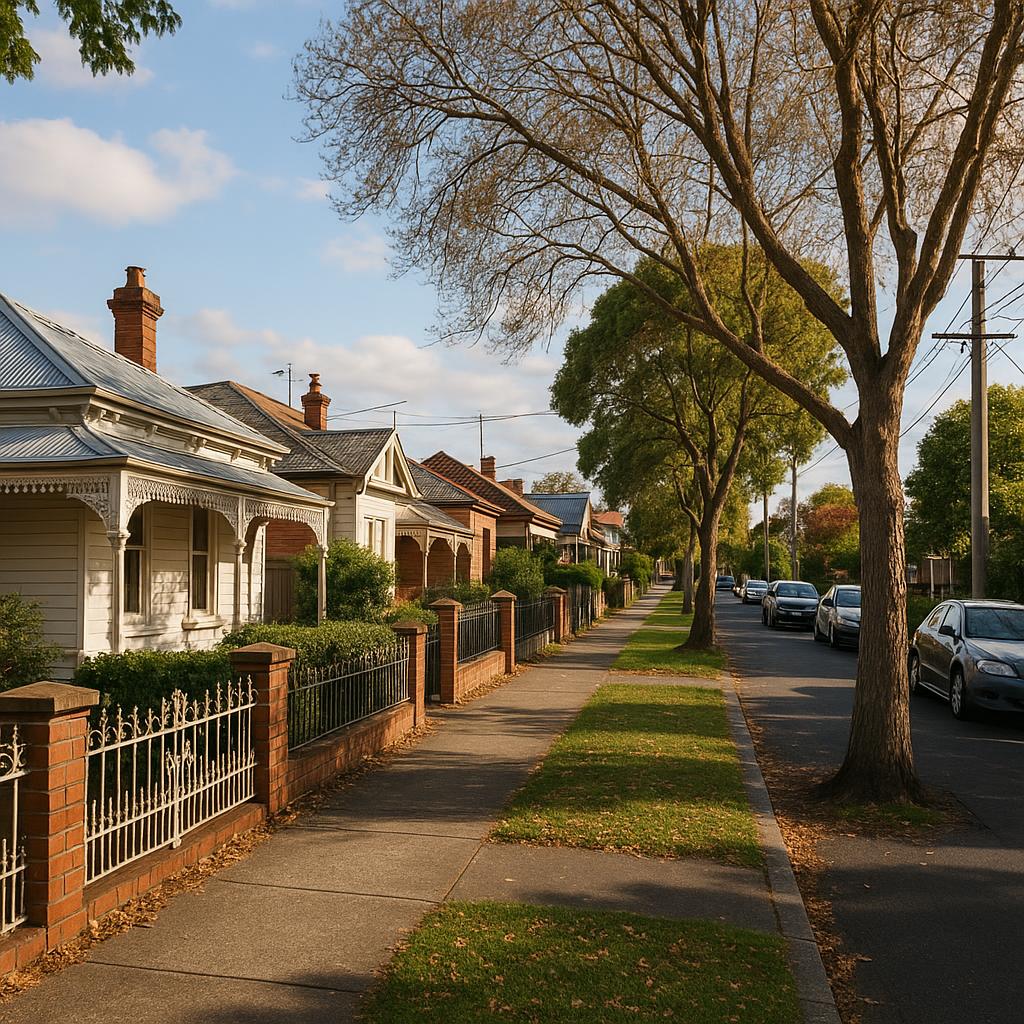
Williamstown North sits in Melbourne’s inner-west and is best understood as a lifestyle-led suburb rather than a broad, high-volume market. It has the kind of established feel that often attracts long-term residents, which can reduce turnover and make well-presented homes feel scarce when they come up.
For buyers, that means suburb selection is less about finding the “cheapest” option and more about identifying the right street, dwelling type, and future livability. For investors, the market usually rewards patience and careful asset selection rather than aggressive assumptions about rent growth or fast resale.
The suburb’s context matters: buyers often compare it with nearby inner-west areas that offer different housing stock, levels of amenity, or access to activity centres. That makes local inspection important, because two properties in the same suburb can feel very different depending on road exposure, home condition, and renovation potential.
Buyer Demand
Demand is typically driven by owner-occupiers first, then by downsizers and investors who want a foothold in an established area. That mix usually favours homes with strong presentation, sensible layouts, and easy access to local amenities rather than speculative “project” properties.
In practical terms, buyers should expect competition to be strongest for dwellings that are move-in ready, well-located, and easy to maintain. If you are comparing homes, ask whether the appeal comes from the suburb name alone or from genuine day-to-day usability.
Rental Market
The rental appeal of Williamstown North generally comes from its liveability profile: established streets, proximity to the broader waterfront precinct, and access to the west’s employment corridors. That makes it attractive to professionals, couples, and some small families who want a more settled environment.
For investors, the main question is not simply “what rent can I charge?” but “which tenant segment will this property attract consistently?” Low-maintenance dwellings often suit the market well, while larger older homes can lease well if they are well-kept and offer practical features such as parking, storage, and usable outdoor space.
Lifestyle, Transport & Schools
Lifestyle is one of the suburb’s strongest decision drivers. Buyers are often drawn to a calmer, more established residential feel with access to parks, coastal atmosphere, and the broader Williamstown/Hobsons Bay amenity network. That combination tends to matter more to end-users than investors, but it still supports demand resilience over time.
Transport convenience should be tested rather than assumed. Check how the commute works at peak times, how close you are to public transport connections, and whether local roads create day-to-day friction. In inner-west suburbs, a short drive on paper can translate into very different morning travel experiences.
Families should verify local school zones directly with the relevant education authorities and schools, because catchments, intake rules, and enrolment pressures can change. Even for non-school buyers, proximity to well-regarded school options can influence buyer depth and resale comfort.
Williamstown North Suburb Profile
Official 2021 Census snapshot for the ABS Suburbs and Localities geography.
Age profile
Housing tenure
Occupied private dwellings by tenure type.
Salary & income profile
Median total income reported in the Census.
*Annual figures are weekly median × 52 estimates, not separate ABS annual medians.
Education & qualifications
Highest educational attainment, people aged 15+.
Employment status
People aged 15+ who reported being in the labour force.
Industry of employment
Top responses among employed people aged 15 years and over.
Occupation profile
Broad occupation groups among employed residents, including managers.
Property Type Guide
- Detached houses: Best for buyers wanting land, privacy, and long-term flexibility; check maintenance and extension potential carefully.
- Character homes: Suits buyers who value period charm and are willing to budget for upgrades, repairs, and compliance work.
- Townhouses / low-maintenance dwellings: Often appeal to downsizers, professionals, and investors who want simpler upkeep and broad tenant appeal.
- Updated homes: Strong option for buyers wanting convenience, but inspect renovation quality rather than relying on cosmetic presentation.
- Older stock with upside: Can work if the site, layout, and street appeal are strong enough to justify the improvement cost.
Risks & Watch-Outs
- Scarce listings can push buyers into rushed decisions, so compare several properties before committing.
- Lifestyle appeal can inflate expectations, which is why you should anchor your offer in recent comparable evidence.
- Older housing stock may hide expensive maintenance items such as roofing, services, drainage, or timber repairs.
- Traffic, parking pressure, or proximity to busier roads can affect liveability and future buyer interest.
- Investors should not assume prestige equals strong cash flow; rent, vacancy risk, and expenses must be checked together.
Nearby Suburbs to Compare
- Newport
- Spotswood
- South Kingsville
- Altona North
- Williamstown
FAQ
Is Williamstown North a good suburb for families?
It can be a strong fit for families who want an established inner-west location with a calmer residential feel, access to open space, and practical commute options. The key is checking school zones, home layout, and whether the street suits everyday family living.
Is Williamstown North suitable for investors?
Yes, but mainly for investors who value stable demand and a quality tenant profile rather than chasing maximum yield. The best results usually come from well-maintained, low-hassle properties that match local renter expectations and are easy to hold over time.
What property type performs best here?
There is no single winner. Detached homes appeal to long-term owner-occupiers, while townhouses and lower-maintenance dwellings can suit professionals, downsizers, and investors. The right choice depends on your budget, maintenance tolerance, and exit strategy.
How should I compare Williamstown North with nearby suburbs?
Compare actual streets, not just suburb names. Look at property type, transport convenience, renovation condition, and the feel of the immediate area. Nearby suburbs may offer different trade-offs in stock variety, walkability, or lifestyle character.
What should I verify before buying?
Check zoning, overlays, school boundaries, transport connections, and recent comparable sales. If you are buying an older home, inspect for maintenance risk and potential renovation scope. This reduces the chance of paying lifestyle prices for a property with hidden drawbacks.
Conclusion
Williamstown North is best approached as a tightly held lifestyle suburb with long-term appeal, not a quick-turn market. Buyers should focus on street quality, property type, and future livability, while investors should prioritise tenant fit and maintenance discipline. If the suburb aligns with your daily needs and holding strategy, it can be a compelling place to buy.
Sources & How to Verify
- Check current sold prices and listing history on Domain before relying on any estimate of value or buyer demand.
- Review live rental listings on realestate.com.au to test whether expected rent aligns with current market evidence.
- Use the Victorian Government planning tools on Planning Victoria to check zoning and overlays that may affect renovations or redevelopment.
- Confirm local transport options and service updates with Public Transport Victoria rather than relying on generic commute assumptions.
- Verify school zones and enrolment requirements through Find My School because catchments can materially affect buyer demand.
- Use ABS data for broader demographic context, but avoid treating suburb averages as a substitute for street-level inspection.
- Check the relevant local council website for permits, local policies, and community updates so you understand practical ownership and planning constraints.