Quick Answer
Fairfield is generally best suited to buyers who value inner-north liveability, character streetscapes, and convenient access to Melbourne’s established amenity. It can work for investors too, but the strongest outcomes usually come from careful property selection rather than assuming every asset in the suburb will perform the same. In practice, Fairfield tends to reward buyers who prioritise lifestyle, low-friction commuting, and long-term hold quality over bargain hunting.
Key Takeaways
- Fairfield has broad appeal because it combines established character, convenience, and a location close to major employment areas.
- Buyer competition is usually strongest for well-located, well-presented properties that feel easy to live in from day one.
- Houses often suit buyers chasing land, charm, and future improvement potential, while apartments suit low-maintenance priorities.
- Investors should assess building quality, tenant fit, and maintenance exposure, not just the suburb’s general reputation.
- Street-level differences matter in Fairfield, so compare noise, access, privacy, and amenity before making an offer.
Pros & Cons
Pros
- Established inner-suburb feel with strong lifestyle appeal.
- Good access to transport, parks, cafés, and nearby employment hubs.
- Broad demand from owner-occupiers, downsizers, and lifestyle renters.
Cons
- Well-located homes can attract strong competition.
- Older housing stock may bring higher maintenance or renovation costs.
- perty performance can vary meaningfully by street, building, and dwelling type.
Market Overview
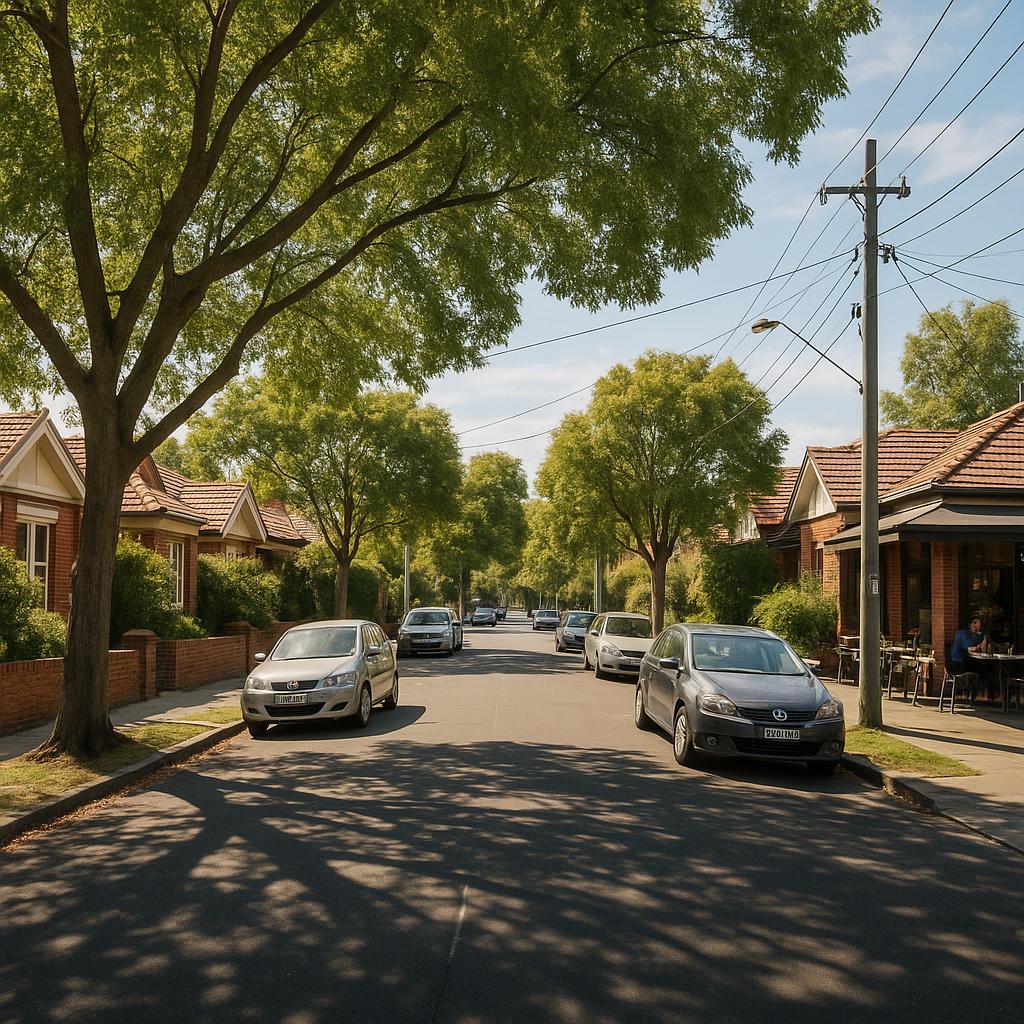
Fairfield is an established inner-north Melbourne suburb that tends to attract buyers who want location and livability first. Its appeal comes from mature streets, a settled residential feel, and practical access to the city fringe, which often keeps demand more resilient than in purely fringe or speculative markets.
For buyers, the key point is that Fairfield is not a one-size-fits-all suburb. Period homes, renovated dwellings, apartments, and townhouse-style stock each attract different buyer pools and can move differently through the cycle. For investors, that means the right asset is usually more important than simply buying “in Fairfield.”
In a suburb like this, the exact pocket can shape noise levels, walkability, parking ease, and overall desirability. A quiet residential street and a busier corridor can both sit within the same suburb but offer very different living outcomes and resale appeal.
Buyer Demand
Demand in Fairfield is typically driven by owner-occupiers, professionals, downsizers, and lifestyle-focused buyers who want convenience without moving into a high-rise environment. That mix usually supports broader resale depth, especially for properties that are easy to maintain and pleasant to occupy.
Buyers often value practical liveability: access to transport, easy day-to-day amenity, natural light, and a floorplan that works without major compromise. Houses can attract renovation-minded buyers, while units and townhouses usually appeal to those wanting lower maintenance and simpler ownership.
Rental Market
Fairfield’s rental appeal is tied to its inner-suburban convenience and access to work, study, and lifestyle amenity. That tends to suit renters who want a shorter commute, a more established neighbourhood feel, and manageable daily logistics.
For investors, the best rentals are usually the ones that are easy to occupy and easy to maintain. Simple layouts, good presentation, durable finishes, and sensible access to transport and everyday amenity often matter more than chasing a marginally higher advertised rent. Check current competition on major portals and compare like-for-like property types.
Lifestyle, Transport & Schools
Fairfield’s lifestyle appeal comes from its village-style convenience, local cafés, parks, and established streetscapes. That combination can make it feel more settled and less transient than newer suburbs, which is one reason it often resonates with both homeowners and long-term tenants.
Transport access is a major part of the suburb’s value proposition. Buyers who commute regularly should verify actual walking routes, service frequency, and station access, rather than relying on a map alone. In inner suburbs, small differences in transport convenience can materially affect buyer demand and rental performance.
Families usually focus on school access, childcare practicality, and daily routines such as drop-off and pickup. School-zone eligibility should be checked directly with official tools, because catchments can influence buying behaviour and may change over time. Proximity alone does not guarantee eligibility.
Fairfield (Vic.) Suburb Profile
Official 2021 Census snapshot for the ABS Suburbs and Localities geography.
Age profile
Housing tenure
Occupied private dwellings by tenure type.
Salary & income profile
Median total income reported in the Census.
*Annual figures are weekly median × 52 estimates, not separate ABS annual medians.
Education & qualifications
Highest educational attainment, people aged 15+.
Employment status
People aged 15+ who reported being in the labour force.
Industry of employment
Top responses among employed people aged 15 years and over.
Occupation profile
Broad occupation groups among employed residents, including managers.
Property Type Guide
- Period homes: Best for buyers wanting character, land, and longer-term owner-occupier appeal, but budget for maintenance and possible renovation scope.
- Apartments and units: Often suit first-home buyers and investors seeking a lower-maintenance entry, though strata quality and building condition matter.
- Townhouses: Can offer a practical middle ground for professionals, downsizers, and small families wanting space without heavy upkeep.
- Renovated dwellings: Attractive to buyers who want move-in convenience, but compare the premium carefully against comparable stock.
- Older stock with upside: May reward buyers with patience and capital for improvements, provided the underlying structure and location are sound.
Risks & Watch-Outs
- Do not assume all Fairfield properties perform similarly; street context, building quality, and layout can change the outcome materially.
- Older homes may look charming but carry hidden costs in roofing, wiring, plumbing, insulation, or compliance items.
- Apartments can be heavily influenced by strata management quality, common-area maintenance, and the overall feel of the building.
- Cosmetic upgrades should not distract you from checking functional issues, storage, parking, noise, and long-term liveability.
- Investors should test rental demand on the actual dwelling type, not just the suburb name, before assuming strong occupancy.
Nearby Suburbs to Compare
- Alphington
- Clifton Hill
- Northcote
- Ivanhoe
FAQ
Is Fairfield good for first-home buyers?
It can be, depending on budget and property type. Units, smaller apartments, and some lower-maintenance dwellings may offer a more realistic entry point than houses. First-home buyers should compare body corporate costs, ongoing maintenance, and transport convenience before stretching to a property that is hard to hold.
Is Fairfield better for owner-occupiers or investors?
Fairfield often feels more naturally aligned to owner-occupiers because lifestyle and liveability are major drivers of demand. Investors can still do well, but the result usually depends on choosing a dwelling type that suits tenant expectations, keeps maintenance manageable, and holds broad appeal at resale.
What property type tends to suit Fairfield best?
There is no single best type. Houses can appeal for character and long-term upside, while apartments and townhouses may suit buyers wanting convenience and lower upkeep. The better choice depends on whether you prioritise land, lifestyle, renovation scope, or a simpler ownership experience.
Is Fairfield a family-friendly suburb?
It can be, especially for families who value an established setting, access to open space, and practical transport connections. The best fit will depend on the specific pocket, school access, and how the property works for daily routines such as commuting, childcare, and parking.
How should investors assess Fairfield properly?
Start with the property itself: condition, layout, tenant appeal, building quality, and ongoing maintenance exposure. Then compare current rental competition and recent comparable sales. A strong suburb does not guarantee a strong investment if the dwelling is awkward, expensive to maintain, or hard to lease.
Conclusion
Fairfield is best viewed as a quality inner-suburban choice where lifestyle, convenience, and property selection matter more than headline assumptions. It can suit both buyers and investors, but the winning strategy is to match the right dwelling to the right goal, then verify value using current comparable sales, rental competition, and school-zone or transport checks.
Sources & How to Verify
- Check current sold prices and listing history on Domain so you are comparing the same dwelling type, not relying on broad suburb expectations.
- Review live rental listings on realestate.com.au to judge tenant competition, presentation standards, and achievable rent bands.
- Use Property.com.au to cross-check nearby comparable sales and see how different property types are being valued.
- Confirm planning controls and zoning details through Victoria’s planning portal before assuming a renovation, extension, or redevelopment path is straightforward.
- Check school zones and enrolment rules on the official Victorian government Find My School tool rather than relying on hearsay or real estate advertisements.
- Verify station access, timetables, and service changes on Public Transport Victoria because commute convenience can materially affect both resale and rental demand.
- Review suburb-level census context on the ABS to understand household mix and housing structure, then compare that with what you see in the street.
- Speak with a local property manager or buyer’s agent and confirm maintenance, strata, and tenant-demand details at the exact property level before making an offer.