Quick Answer
Tiwi is a practical northern Darwin suburb that suits buyers who value convenience, established housing, and proximity to major day-to-day destinations. For investors, it can work well when the property type, condition, and layout align with local tenant needs rather than relying on suburb name alone. It is generally better suited to functional living and straightforward rental demand than prestige or new-estate positioning.
Key Takeaways
- Tiwi rewards buyers who prioritise access, routine convenience, and an established residential feel over flashy lifestyle branding.
- Property selection matters more here than broad suburb assumptions, because houses, units, and older stock can perform very differently.
- Investors should focus on leaseability, low-maintenance features, and tenant-fit rather than chasing the most attractive-looking listing.
- Owner-occupiers often value practical floor plans, parking, and easy connection to nearby services and employment hubs.
- The strongest decisions in Tiwi usually come from comparing the actual property, the likely user, and the ongoing upkeep burden.
Pros & Cons
Pros
- Established suburb with practical, everyday appeal for households and tenants.
- Good fit for buyers who want convenience and a low-drama residential base.
- Different property types can suit owner-occupiers, investors, and downsizers.
Cons
- Older stock may need more maintenance, budgeting, and inspection discipline.
- Street and property variation can make a suburb-wide shortcut misleading.
- Not ideal for buyers chasing a highly modern, premium, or new-estate feel.
Market Overview
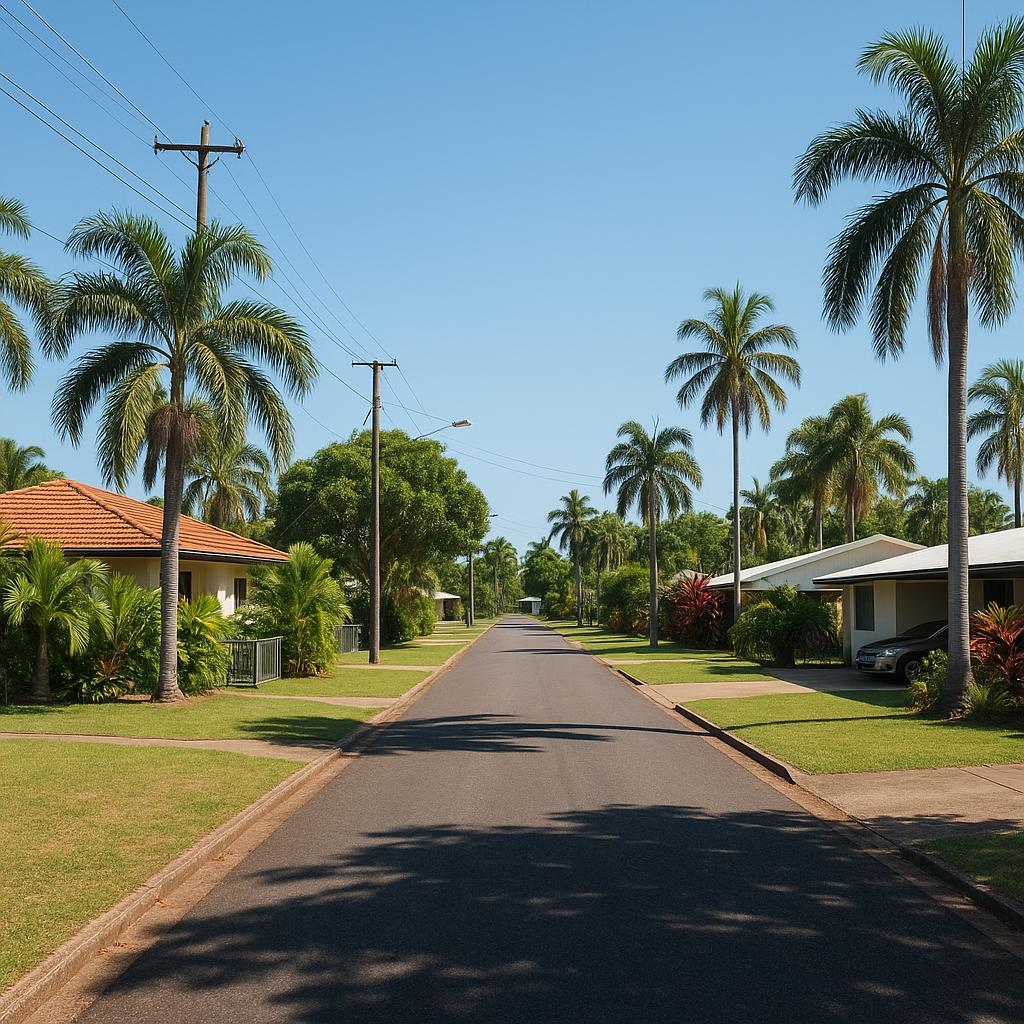
Tiwi sits in Darwin’s northern suburban network and is generally seen as a practical, established pocket rather than a prestige address. Its appeal usually comes from usefulness: easy access to major services, a familiar residential setting, and property formats that suit real-world routines. That makes it a suburb where layout, condition, and parking can matter as much as the postcode itself.
For buyers, Tiwi often enters the shortlist when convenience is the priority and the buyer is comparing similar northern suburbs. For investors, the key question is whether the property will be easy to lease, simple to maintain, and attractive to the tenant pool that actually uses the area. In other words, value is driven by fit, not just location.
The suburb can suit those who prefer an established environment with functional housing stock. If you are considering an older dwelling or a unit, inspect the liveability carefully: internal flow, natural light, ventilation, outdoor usability, and maintenance profile can materially affect both resale and rental performance.
Buyer Demand
Buyer demand in Tiwi is usually shaped by convenience and practicality. The most interested buyers tend to be those who want a home that works well for daily life: manageable upkeep, usable spaces, and access to key destinations without a long commute.
Owner-occupiers, investors, downsizers, and some first-home buyers may all look here, but for different reasons. A family may chase a functional house with parking and a workable yard, while an investor may prefer a low-maintenance property with broad tenant appeal. The result is that demand can be solid, but only for the right stock.
Rental Market
Tiwi’s rental appeal is closely linked to accessibility and functionality. Properties that are easy to maintain, comfortable in the local climate, and convenient for commuting often stand out more than homes with cosmetic extras that do not improve day-to-day living.
For investors, the key is to buy for tenant usefulness. A property that is simple to live in, easy to care for, and sensibly priced for its condition is generally easier to manage than one that looks appealing but creates friction through awkward layout or higher upkeep. Before buying, check how the property compares with current listings in the area and whether the layout would suit the likely renter profile.
Lifestyle, Transport & Schools
Tiwi offers a practical lifestyle rather than a destination-style lifestyle. It is the kind of suburb that tends to appeal to people who want daily life to run smoothly: access to services, straightforward routes, and a neighbourhood feel that is established rather than trend-led.
Transport connectivity is a major part of the suburb’s value proposition. Easy movement across Darwin’s northern corridor can reduce travel stress and increase liveability, especially for households balancing work, school runs, and errands. Buyers should still test actual commute patterns, parking availability, and access to the roads they will use most often.
Families often assess nearby education options and the practicalities around school routines. Rather than relying on rankings, verify catchment, enrolment rules, and travel times using current official sources. For many buyers, the real value is not simply being near schools, but reducing the friction of the weekly routine.
Tiwi Suburb Profile
Official 2021 Census snapshot for the ABS Suburbs and Localities geography.
Age profile
Housing tenure
Occupied private dwellings by tenure type.
Salary & income profile
Median total income reported in the Census.
*Annual figures are weekly median × 52 estimates, not separate ABS annual medians.
Education & qualifications
Highest educational attainment, people aged 15+.
Employment status
People aged 15+ who reported being in the labour force.
Industry of employment
Top responses among employed people aged 15 years and over.
Occupation profile
Broad occupation groups among employed residents, including managers.
Property Type Guide
- Houses: Best for buyers wanting more space, privacy, and long-term occupancy; check land usability, layout efficiency, and maintenance.
- Units: Often suit investors, first-home buyers, and downsizers seeking lower-maintenance ownership; check body corporate matters, noise, and parking.
- Older homes: Can offer character or renovation upside; inspect major systems, moisture exposure, and whether the floor plan supports modern living.
- Renovation-ready stock: Works best when improvements are practical and value-adding, such as better flow, storage, or liveability rather than cosmetic only.
Risks & Watch-Outs
- Do not assume every street or dwelling in Tiwi performs the same way, because local variation can be significant.
- Older properties may hide maintenance costs in roofs, wet areas, cooling, or general wear and tear.
- A property that photographs well can still be awkward in person, especially if the floor plan or parking is poor.
- Investors should not overestimate rental demand without checking current listings, presentation standards, and tenant expectations.
- Buying on suburb name alone can lead to paying too much for a property type that does not suit the local market.
Nearby Suburbs to Compare
- Rapid Creek
- Alawa
- Wanguri
- Casuarina
- Nightcliff
FAQ
Is Tiwi a good suburb for buyers?
Yes, if you value practicality, established surroundings, and everyday convenience. Tiwi is better suited to buyers who want functional living and easy access to key destinations than those chasing premium prestige or a brand-new estate feel.
Is Tiwi a good suburb for investors?
It can be, provided the property matches local tenant demand. Investors should prioritise easy maintenance, sensible layouts, parking, and leaseability. The best result usually comes from buying a property that fits the renter, not just the suburb.
What type of property performs best in Tiwi?
That depends on your strategy. Houses may suit families and owner-occupiers, while units can suit lower-maintenance investment or downsizing demand. In all cases, condition, usability, and parking can be more important than the property headline.
What should I watch out for when buying in Tiwi?
Focus on the property itself, not just the location. Check maintenance history, floor plan practicality, ventilation, storage, access, and the likely repair budget. A well-located but awkward or tired property can be a costly compromise.
How does Tiwi compare with nearby suburbs?
It should be compared on convenience, housing stock, and lifestyle fit. Nearby suburbs may offer similar access but a different balance of property type, feel, and tenant profile. Compare actual homes and current listings, not just suburb reputation.
Conclusion
Tiwi is a strong example of a suburb where practical value matters most. Buyers and investors who focus on layout, condition, and tenant or owner fit are more likely to make a sound decision. If you compare Tiwi with nearby alternatives and verify the current market carefully, it can offer a solid, functional choice in Darwin’s north.
Sources & How to Verify
- Check current listings and recent sold evidence on Domain so you can compare Tiwi properties by type, condition, and price position.
- Use realestate.com.au to review active rentals and sales, then compare asking prices with the property’s actual layout and finish.
- Confirm suburb boundaries, planning context, and land-use information through the NT Government property pages before assuming what is permitted on a site.
- Verify school zones, nearby school options, and enrolment rules using the NT Schools Online directory rather than relying on hearsay or outdated maps.
- Check local services, development updates, and council matters via the City of Darwin website so you understand infrastructure and amenity in context.
- Use ABS data for broad demographic and housing context only, and avoid treating it as a substitute for current local inspection or market evidence.
- Cross-check transport routes and access implications on the relevant NT transport information pages so your commute assumptions match current services.
- Always inspect the property in person and compare at least a few similar homes or units in Tiwi before deciding whether the asking price and condition are justified.