Quick Answer
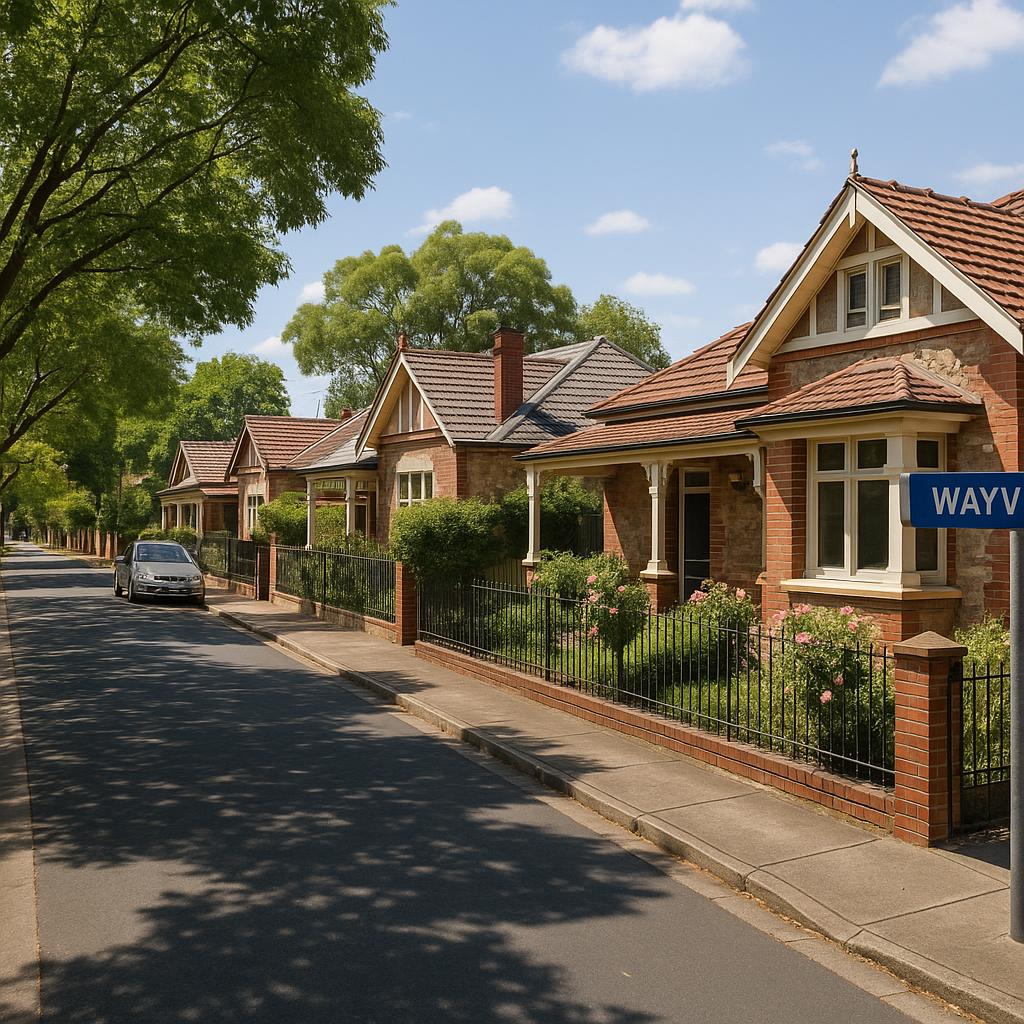
Wayville suits buyers who want an inner-southern Adelaide address with character, convenience, and long-term scarcity rather than brand-new housing. It often appeals to owner-occupiers and investors who value walkability, access to the CBD, and a tightly held streetscape. The main trade-off is that older stock can mean higher maintenance, tighter parking, and more due diligence. If you buy here, focus on land value, floorplan usability, renovation scope, and resale appeal.
Key Takeaways
- Wayville’s appeal comes from location, character housing, and inner-southern convenience rather than sheer size or volume of stock.
- Owner-occupiers often compete strongly for homes that feel move-in ready, practical, and well connected to everyday amenities.
- Investors should assess maintenance risk carefully because older homes can be attractive to tenants but costly to keep in top condition.
- Parking, access, and floorplan efficiency matter more here than in outer suburbs, where land and garages are often less constrained.
- Best results usually come from a long-term hold mindset, with attention to scarcity, future demand, and renovation quality.
Pros & Cons
Pros
- Strong inner-southern position with easy access to Adelaide’s core employment and lifestyle areas.
- Character-rich housing that tends to hold broad appeal among lifestyle-focused buyers.
- Tightly held stock can support desirability and reduce the risk of feeling interchangeable.
Cons
- Older homes may bring higher maintenance, compliance checks, and less predictable repair costs.
- Limited supply can mean fewer choices and sharper competition for well-presented properties.
- Parking, block size, and renovation flexibility can be more constrained than in newer suburbs.
Market Overview
Wayville is an inner-southern Adelaide suburb where location carries real weight. Buyers are typically paying for access, character, and convenience as much as the dwelling itself, so the market often rewards homes that are well kept and thoughtfully improved. That makes suburb knowledge important: two similar-looking properties can perform very differently depending on land, layout, and how easily they can be updated.
The suburb’s appeal is shaped by scarcity. Established streets, older housing stock, and a limited pipeline of new dwellings can make the area feel tightly held. For buyers, that can mean less choice but stronger emotional demand when the right property appears. For investors, it can mean stable tenant interest, but only if the property suits the local market rather than fighting it.
Wayville is best understood as a decision between convenience and compromise. Many buyers accept smaller yards, older finishes, or renovation work because the lifestyle payoff is immediate. That trade-off can work well, but only when the purchase price, condition, and future upgrade path are properly assessed.
Buyer Demand
Demand in Wayville generally comes from owner-occupiers first, especially professionals, downsizers, and households seeking an established suburb close to the city. These buyers often want charm, liveability, and daily convenience, which means presentation and practical layout can materially influence competition.
Investor demand is usually more selective. The strongest interest tends to sit with homes that are easy to lease, low-friction to maintain, and broad enough in appeal to attract quality tenants. If you are comparing it with nearby suburbs, see Goodwood SA Property Market Guide: Buyers & Investors or Hyde Park SA Property Market Guide: Buyers & Investors for close alternatives with similar inner-city logic.
Rental Market
Wayville’s rental appeal is usually strongest for tenants who value short commutes, established amenity, and a pleasant residential feel close to the city. Well-presented character homes and renovated older dwellings can be especially attractive to professionals and couples looking for a premium lifestyle rental.
For investors, the key is matching the property to the tenant profile. Functional floorplans, off-street parking, efficient heating and cooling, and low-maintenance presentation often matter more than decorative features. Because older homes can carry higher upkeep, it is worth checking comparable current rentals on major portals and speaking with local property managers before assuming the suburb will “lease itself.”
Lifestyle, Transport & Schools
Wayville offers an inner-urban lifestyle without being directly in the CBD. That can suit buyers who want café access, easy errands, and a quieter residential atmosphere than denser city-edge pockets. The lifestyle advantage is less about one standout attraction and more about the cumulative convenience of being close to many daily needs.
Transport connectivity is a major part of the suburb’s value proposition. Buyers who commute regularly often prioritise peak-hour travel time, route flexibility, and the ability to use a mix of car, walking, and public transport. For families, school access and daily logistics also matter. Always verify zoning, enrolment eligibility, and transport options directly with official sources rather than relying on assumptions from a map.
Schools and family amenity can broaden buyer demand, but the real issue is practical fit. A home that looks appealing on paper may be less useful if parking is difficult, a street is busy at the wrong times, or school runs become cumbersome. In this type of suburb, small differences in convenience can have outsized effects on buyer preference.
Wayville Suburb Profile
Official 2021 Census snapshot for the ABS Suburbs and Localities geography.
Age profile
Housing tenure
Occupied private dwellings by tenure type.
Salary & income profile
Median total income reported in the Census.
*Annual figures are weekly median × 52 estimates, not separate ABS annual medians.
Education & qualifications
Highest educational attainment, people aged 15+.
Employment status
People aged 15+ who reported being in the labour force.
Industry of employment
Top responses among employed people aged 15 years and over.
Occupation profile
Broad occupation groups among employed residents, including managers.
Property Type Guide
- Character homes: Usually the strongest lifestyle draw, but inspect for hidden maintenance issues, older services, and renovation limits.
- Renovated older homes: Often the best balance for owner-occupiers and tenants if the upgrade quality is genuine, not just cosmetic.
- Smaller low-maintenance dwellings: Can suit downsizers or investors wanting simpler upkeep, but check strata terms and privacy.
- Terraces and compact period stock: May offer strong location appeal, though layout efficiency and parking are critical.
Buyers should judge each property by land component, liveability, and exit strategy rather than bedroom count alone. A modest home with a practical layout and good access can outperform a prettier property that is awkward to live in or expensive to maintain.
Risks & Watch-Outs
- Overpaying for character appeal without properly valuing land, layout, and comparable sales.
- Underestimating maintenance on older homes, especially where original finishes or services remain in place.
- Assuming renovation flexibility without checking heritage, council, or planning constraints first.
- Buying a property with weak parking, awkward access, or a narrow buyer pool on resale.
- Ignoring holding costs if immediate repairs, compliance work, or upgrades are needed after settlement.
Nearby Suburbs to Compare
FAQ
Is Wayville a good suburb for owner-occupiers?
Yes, if you value an inner-southern location, character streetscapes, and convenience over new-build simplicity. Owner-occupiers usually need to be comfortable with older housing stock, smaller blocks, and the possibility of ongoing maintenance or upgrade work.
Is Wayville more suitable for investors or homeowners?
It can suit both, but the best purchase depends on your holding strategy. Homeowners often place more weight on lifestyle and amenity, while investors need to focus on leaseability, maintenance exposure, and broad tenant appeal across different market conditions.
What type of property is usually strongest in Wayville?
Well-kept character homes and renovated older dwellings often attract the widest interest. That said, “strongest” depends on your goal: a low-maintenance unit, a period home, or a renovation project can each work if the numbers and risks stack up.
What should buyers inspect most carefully?
Look beyond staging and finishes. Inspect floorplan efficiency, building condition, parking, natural light, storage, and the likely cost of bringing the property up to your standard. Older homes can hide expensive work behind an appealing façade.
How should I verify current market conditions in Wayville?
Check recent comparable sales, active listings, and rental competition using current portals and official planning or zoning sources. Then compare those findings with local agent feedback and a building inspection so you are not relying on outdated assumptions.
Conclusion
Wayville is a compelling inner-southern Adelaide suburb for buyers who want character, convenience, and scarcity rather than a generic housing product. It rewards careful selection, realistic budgeting, and a long-term view. If you are comfortable with older stock and want a location-led purchase, it can be a strong fit. If not, nearby suburbs may offer similar advantages with different trade-offs.
Sources & How to Verify
- Check current sold results on Domain so you can compare recent Wayville examples rather than relying on old estimates.
- Review active listings on realestate.com.au to understand what stock is actually available and how long comparable homes appear to be taking to sell.
- Use the Australian Bureau of Statistics to confirm demographic and household context before drawing conclusions about who lives in the suburb.
- Check local planning and zoning information on the SA planning portal before assuming you can extend, rebuild, or change use freely.
- Review school catchments and enrolment eligibility using the South Australian government school enrolment information rather than informal advice.
- Verify public transport routes and service patterns via Adelaide Metro so commute convenience is based on current timetables.
- Speak with local property managers and compare multiple rental listings to confirm tenant demand, pricing direction, and the features renters value most.