Quick Answer
Elwood is a tightly held bayside suburb that appeals to lifestyle-focused buyers, downsizers, professionals, and investors seeking dependable tenant interest rather than speculative bargains. It suits people who value beach access, walkability, village amenity, and a calmer inner-Melbourne feel. For investors, the strongest strategy is usually to prioritise quality apartments, boutique townhouses, or well-kept character homes with broad appeal. The main caution is that older buildings, strata costs, and maintenance exposure can materially affect real returns.
Key Takeaways
- Elwood suits buyers who want coastal living without losing access to Melbourne’s inner-city convenience.
- The suburb’s appeal is built on lifestyle, not land size, so pocket and property type matter a lot.
- Owner-occupiers, downsizers, and professionals often compete for the same quality homes and apartments.
- Investors should focus on low-maintenance properties with strong liveability, light, layout, and practical storage.
- Use current listings, sold results, and strata documents to verify value rather than relying on suburb reputation alone.
Pros & Cons
Pros
- Beachside lifestyle with enduring buyer and tenant appeal
- Walkable village feel with cafés, parks, and daily convenience
- Broad demand from both owner-occupiers and long-term renters
Cons
- Entry costs can be high relative to space or land size
- Some apartments and older homes need careful maintenance review
- Parking, storage, and strata complexity can limit practical value
Market Overview
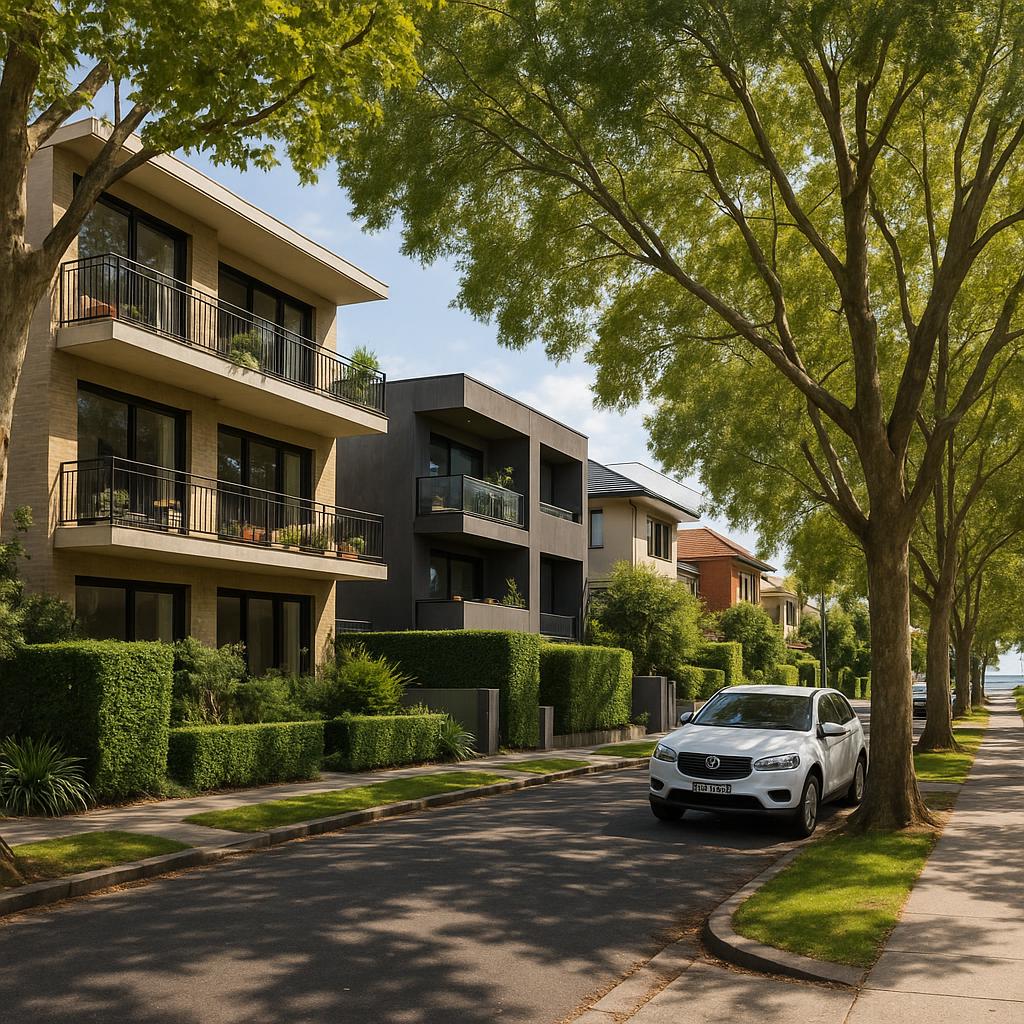
Elwood sits in Melbourne’s bayside inner ring and has long been prized for its relaxed, established feel. Its market identity is shaped less by raw land value and more by the combination of beach proximity, village amenity, and easy access to surrounding inner suburbs. That makes it a suburb where presentation, street appeal, and property type can change buyer interest materially.
In practical terms, Elwood tends to attract people who already know what they want: a calmer lifestyle, a walkable local environment, and housing that feels comfortable rather than flashy. That usually supports steady demand for good-quality apartments, renovated period homes, and boutique dwellings in well-located pockets.
Because the suburb is tightly held and the stock mix is diverse, suburb-wide assumptions can be misleading. A small apartment on a quiet street, a renovated family home, and a dated building with high ongoing costs are all “Elwood” on paper, but they behave very differently in the market.
Buyer Demand
Buyer demand is usually driven by lifestyle first and numbers second. Elwood tends to appeal to downsizers, professionals, and owner-occupiers who want a bayside address that still feels connected to daily Melbourne life.
That same appeal also creates competition for well-presented stock. If a property offers light, good layout, parking, and easy access to local amenity, it can attract both home buyers and investors, which is why careful comparison across similar properties matters.
Rental Market
Elwood’s rental appeal is underpinned by its lifestyle proposition: tenants often want the beach, cafés, and transport convenience without moving too far from the CBD or inner south-east employment hubs. That tends to support a broad tenant pool rather than one narrow renter type.
For landlords, the key is to buy a property that is easy to live in and easy to maintain. A well-kept two-bedroom apartment or a functional townhouse usually has more practical rental appeal than a cheaper property with awkward flow, poor storage, or building issues.
Lifestyle, Transport & Schools
Elwood’s lifestyle is one of its biggest valuation drivers. Residents are typically drawn to the beachside routine, local dining, park access, and a quieter street environment than some busier inner suburbs. That lifestyle often translates into stronger emotional attachment and longer ownership periods.
Transport access is another important part of the equation. While buyers should verify exact routes and commute times on current maps and timetables, the suburb is generally considered well connected to broader Melbourne transport options through nearby tram and bus corridors, with rail access available via surrounding areas. For many households, that balance of amenity and commute convenience is the key trade-off.
School access should be checked on current official sources and inspected in context of the exact address, not just the suburb name. Families often value the area because it combines established residential streets, parks, and access to a range of schooling options nearby, but the right fit depends on enrolment zones and your daily routine.
Elwood Suburb Profile
Official 2021 Census snapshot for the ABS Suburbs and Localities geography.
Age profile
Housing tenure
Occupied private dwellings by tenure type.
Salary & income profile
Median total income reported in the Census.
*Annual figures are weekly median × 52 estimates, not separate ABS annual medians.
Education & qualifications
Highest educational attainment, people aged 15+.
Employment status
People aged 15+ who reported being in the labour force.
Industry of employment
Top responses among employed people aged 15 years and over.
Occupation profile
Broad occupation groups among employed residents, including managers.
Property Type Guide
- Apartments: Often the most accessible entry point; verify strata fees, soundproofing, ventilation, parking, storage, and building condition.
- Period homes: Attractive for character and space; check renovation quality, structural integrity, energy efficiency, and ongoing upkeep.
- Townhouses and boutique developments: A middle ground for low-maintenance living; review privacy, natural light, outdoor space, and strata arrangements.
- Investor fit: The best rental stock usually combines practical layout, strong presentation, and simple maintenance rather than novelty features.
- Buyer fit: Match the property to your holding period and lifestyle needs, not just the suburb’s prestige.
Risks & Watch-Outs
- Coastal exposure can accelerate wear on external finishes, so check paint, joinery, balconies, and moisture management carefully.
- Strata and body corporate costs can change the real holding cost of an apartment, so review minutes, levies, and capital works planning.
- Parking and storage are often more valuable than buyers expect in inner-bayside suburbs, especially for resale and long-term livability.
- Noise and foot traffic can vary sharply between pockets, so inspect at different times rather than relying on daytime impressions.
- Cosmetic renovations can mask weak fundamentals, so focus on layout, light, and building quality before style decisions.
Nearby Suburbs to Compare
- St Kilda East VIC Property Market Guide: Buyers & Investors
- Balaclava VIC Property Market Guide: Buyers & Investors
- St Kilda West VIC Property Market Guide: Buyers & Investors
- Armadale VIC Property Market Guide: Buyers & Investors
- Ripponlea
FAQ
Is Elwood a good suburb for first-home buyers?
It can be, but mostly for buyers who are realistic about budget and property type. Apartments and smaller homes are usually the most accessible entry points. The key is to compare strata costs, ongoing maintenance, and the trade-off between space and location.
Is Elwood good for investors?
Yes, if you focus on assets with broad tenant appeal and manageable upkeep. Elwood’s lifestyle reputation helps rental interest, but investors still need to assess building quality, body corporate costs, layout, and long-term maintenance risk before buying.
What type of property is best in Elwood?
There is no single best type. Apartments can suit investors and downsizers, while period homes suit buyers wanting character and future upside through improvement. Townhouses often appeal to those seeking a practical middle ground.
Is Elwood family-friendly?
It can be, especially for families who value parks, the beach, and a calmer lifestyle. The main issue is not whether the suburb is family-friendly, but whether the specific home offers the space, storage, and school access your household needs.
What should buyers inspect carefully?
Check the building condition, strata documents, ventilation, noise transfer, parking, storage, and any signs of coastal wear. For houses, inspect roofing, damp, foundations, and renovation quality. For all properties, verify the exact transport and school context yourself.
Conclusion
Elwood is best understood as a lifestyle-led bayside suburb with enduring appeal to both buyers and tenants. It rewards careful property selection more than simple suburb-name chasing. If you buy the right property type in the right pocket, Elwood can offer a strong mix of liveability, long-term demand, and holding confidence.
Sources & how to verify
- Check current sold results and active listings on Domain to see how different Elwood property types are trading right now.
- Compare comparable sales and rental asking prices on realestate.com.au so you are not relying on a single agent’s price guide.
- Use ABS data to understand broader demographic and household trends, but always pair it with current on-the-ground inspection evidence.
- Review local planning controls and any overlays through Victoria’s planning website before assuming renovation, extension, or redevelopment potential.
- Confirm school zones and enrolment details using the Find My School tool, because zones and eligibility can change.
- Check nearby public transport options and service updates on Public Transport Victoria rather than relying on old commute assumptions.
- Ask for strata records, capital works plans, and meeting minutes when buying an apartment, because building governance can materially affect the real cost of ownership.
- Obtain an independent building and pest inspection so you can verify structural condition, moisture risk, and maintenance issues that are not obvious in photos.