Quick Answer
Spotswood suits buyers who want inner-west Melbourne convenience without sacrificing a residential, village-style feel. It tends to appeal to first-home buyers, downsizers, young professionals, and investors who value low-vacancy, lifestyle-led demand rather than speculative growth stories. The suburb’s draw is its combination of train access, proximity to the CBD and employment hubs, and a housing mix that can suit different budgets and strategies. The key is choosing the right property type and street, because condition, land, and liveability matter more than the postcode alone.
Key Takeaways
- Spotswood offers inner-west convenience, which supports both owner-occupier interest and resilient rental demand over time.
- The suburb’s value proposition is built on transport access, local amenity, and a compact, practical lifestyle.
- Buyers should compare land, layout, and future livability carefully, especially in older homes and infill stock.
- Investors often benefit from broad tenant appeal when the property is low-maintenance and well presented.
- Nearby suburbs can be strong alternatives, so compare housing stock and lifestyle fit before paying a premium.
Pros & Cons
Pros
- Inner-west location with strong city access and everyday convenience.
- Broad appeal to both owners and renters seeking a practical lifestyle base.
- Mix of housing types gives options for different budgets and strategies.
Cons
- Location premiums can push buyers to focus too heavily on the suburb name.
- Some properties may need renovation, maintenance, or layout compromises.
- Street-by-street variation means not every pocket offers the same liveability.
Market Overview
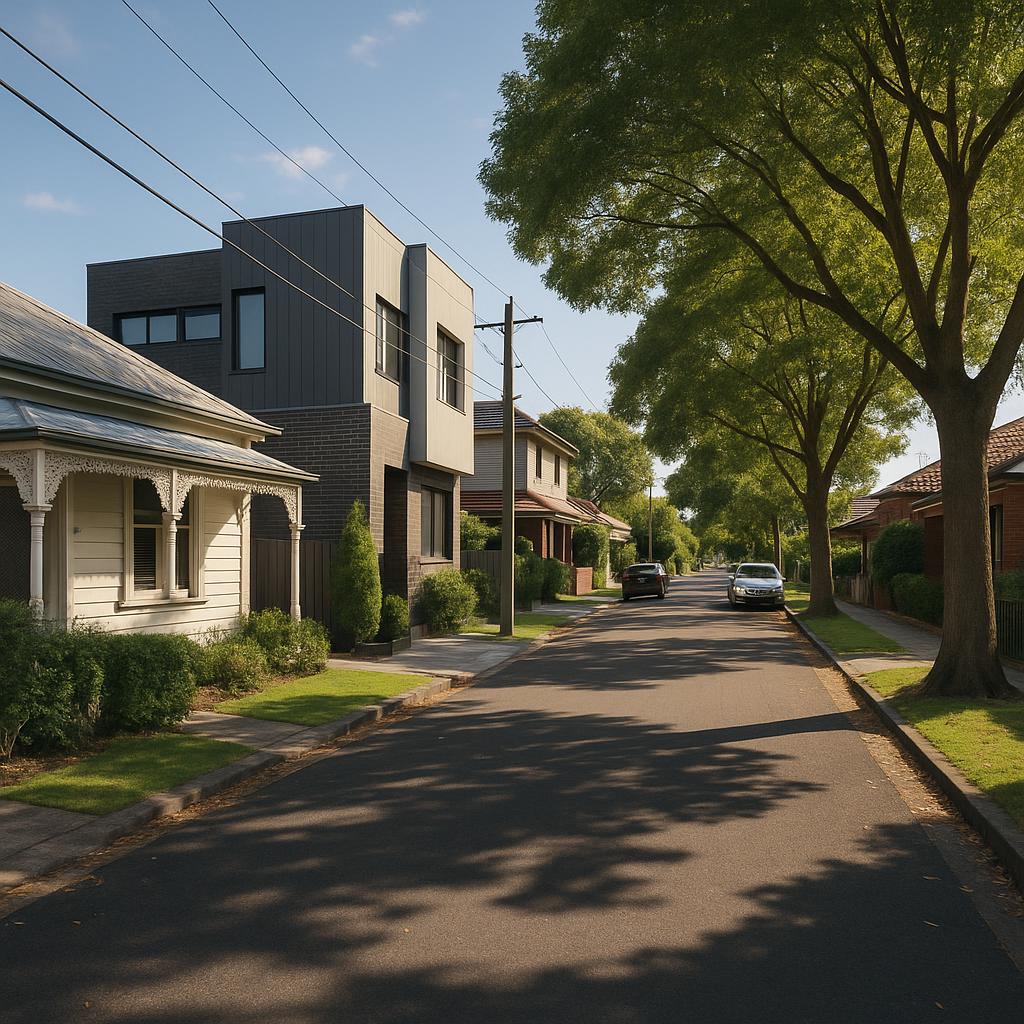
Spotswood sits in Melbourne’s inner west and is often considered by people who want a manageable suburb with a strong daily-life advantage. It is not a “look at me” market; it is more of a practical, tightly held location where convenience, transport, and housing type shape buyer interest. That makes it relevant to both owner-occupiers and investors looking for durable demand rather than short-term hype.
The local market is influenced by proximity to the CBD, nearby employment areas, and the broader appeal of inner-west living. Buyers generally pay attention to how a home feels to live in day to day: whether it is walkable, easy to maintain, and likely to hold appeal across different life stages. That means a well-located townhouse, a renovated period home, and an original property with sensible upside can each attract different buyers.
In practical terms, Spotswood is the kind of suburb where selection matters. A good street, a functional floor plan, and sensible presentation can make a meaningful difference to resale and rental outcomes. For market context, verify current conditions through recent comparable sales and rental listings, because suburb-wide commentary can hide big differences between property types.
Buyer Demand
Demand in Spotswood tends to come from a mix of first-home buyers, young professionals, downsizers, and families who want inner-west access without moving into a denser urban core. Investors also look here because a small, practical suburb near transport often attracts repeat tenant interest. That broader buyer base can support liquidity when it is time to sell.
What buyers value most is usually straightforward: commuting convenience, low-maintenance living, and a home that feels easy to use. A renovated two-bedroom home may suit a professional couple; a single-level property may suit a downsizer; a family buyer may stretch for a larger house if the layout and future flexibility make sense. The common thread is livability, not novelty.
Rental Market
Spotswood can appeal to renters who want access to the city, nearby jobs, and an inner-west lifestyle without the intensity of a more central suburb. That typically includes couples, sharers, and small households who prioritise transport and convenience. Low-maintenance homes usually make the strongest fit for this tenant base.
For investors, the most defensible rental properties are often those with good light, practical storage, sensible parking where available, and layouts that are easy to furnish. A renovated home may rent more smoothly than an older original property, but only if the premium is supported by real usability. Check current rental listings, lease terms, and vacancy indicators before assuming any specific outcome.
Lifestyle, Transport & Schools
Spotswood’s lifestyle appeal comes from its village-style feel combined with access to wider inner-west amenity. That is valuable for people who want a neighbourhood that still feels residential but is close to cafés, services, and weekend options. The suburb also suits buyers who like a more settled streetscape rather than a high-rise environment.
Transport is a major part of the suburb’s value. Train access is especially important for commuters, while road connections help with cross-city movement and day-to-day practicality. For both renters and owners, that connectivity can make a home more versatile over time, particularly if work arrangements or family needs change.
School access matters even for buyers without school-aged children, because it supports future resale depth and broadens the possible buyer pool. Rather than relying on informal reputation, verify zoning and nearby school options through official Victorian sources. That is the best way to understand how the suburb may serve families in real terms.
Spotswood Suburb Profile
Official 2021 Census snapshot for the ABS Suburbs and Localities geography.
Age profile
Housing tenure
Occupied private dwellings by tenure type.
Salary & income profile
Median total income reported in the Census.
*Annual figures are weekly median × 52 estimates, not separate ABS annual medians.
Education & qualifications
Highest educational attainment, people aged 15+.
Employment status
People aged 15+ who reported being in the labour force.
Industry of employment
Top responses among employed people aged 15 years and over.
Occupation profile
Broad occupation groups among employed residents, including managers.
Property Type Guide
- Houses: Best for buyers wanting land, long-term flexibility, and scarcity value; check land size, renovation quality, and extension potential.
- Townhouses / medium-density homes: Best for low-maintenance living and investor appeal; check floor plan efficiency, storage, and body corporate settings where relevant.
- Older character homes: Best for buyers who value charm and possible value-add upside; check structure, maintenance needs, and whether the layout still works.
- Renovated stock: Often attracts the widest immediate audience, but buyers should still inspect workmanship and the quality of the underlying improvements.
- Investor lens: The most practical rental options are usually simple to maintain, easy to lease, and not overly dependent on cosmetic features alone.
Risks & Watch-Outs
- Do not buy the suburb brand alone; inspect the exact street, aspect, and property type before committing.
- Older homes can hide maintenance issues, so factor in building condition and realistic repair budgets.
- Some layouts look appealing online but are awkward in daily use, which can affect both resale and rentability.
- Noise, traffic, parking, and amenity trade-offs may vary significantly by pocket, even within a small suburb.
- Renovation spending should be tied to market evidence, not personal taste, or you may overcapitalise.
Nearby Suburbs to Compare
- Newport VIC Property Market Guide: Buyers & Investors
- South Kingsville VIC Property Market Guide: Buyers & Investors
- Seddon VIC Property Market Guide: Buyers & Investors
- Yarraville VIC Property Market Guide: Buyers & Investors
- Footscray VIC Property Market Guide: Buyers & Investors
FAQ
Is Spotswood a good suburb for first-home buyers?
Yes, if you value location and convenience more than a large block or lower entry price. First-home buyers often like Spotswood because it offers inner-west access, a practical lifestyle, and a range of property types. The trade-off is that you need to compare carefully and focus on value by street and condition.
Is Spotswood a good suburb for investors?
It can be, especially for investors who prioritise tenant demand, low-maintenance ownership, and broad rental appeal. The most reliable outcomes usually come from properties that are easy to lease and easy to maintain. Always test the current rental market and factor in holding costs before deciding.
What type of property performs best in Spotswood?
There is no single winner, but practical homes with strong livability usually perform best over time. Townhouses and renovated homes can attract strong renter and buyer interest, while houses with land may offer better long-term scarcity value. The right choice depends on your budget and strategy.
Is Spotswood family-friendly?
It can be, particularly for families who want convenience, transport access, and a manageable suburban feel. Families often value daily practicality more than sheer size, and Spotswood delivers that in a compact package. School options and zoning should still be checked directly before you buy.
How does Spotswood compare with nearby inner-west suburbs?
Spotswood often sits in the middle ground between convenience and liveability. Compared with some nearby suburbs, it may feel quieter and more residential while still remaining close to key transport and lifestyle links. The best comparison is property-by-property, not just suburb-to-suburb.
Conclusion
Spotswood is a strong candidate for buyers and investors who want inner-west Melbourne convenience, broad demand, and a suburb that works well in everyday life. It is not about chasing headlines; it is about choosing the right property in a location with enduring appeal. Compare nearby suburbs, inspect carefully, and focus on livability, maintenance, and resale depth.
Sources & How to Verify
- Check current sold results and active listings on Domain so you can compare real asking prices with recent market evidence.
- Review comparable sale history on realestate.com.au to see how property type, condition, and land size influence buyer interest.
- Use ABS data to understand suburb context, but avoid treating older census information as a live market reading.
- Confirm train routes and service changes on Public Transport Victoria before relying on commute assumptions or lifestyle claims.
- Check zoning, school catchments, and enrolment rules through Find My School rather than informal recommendations.
- Review planning, overlays, and local policy on Hobsons Bay City Council if you are considering renovations, extensions, or redevelopment.
- Scan current rental listings on Domain Rent to see what tenant-facing features are actually being offered in the suburb.