Quick Answer
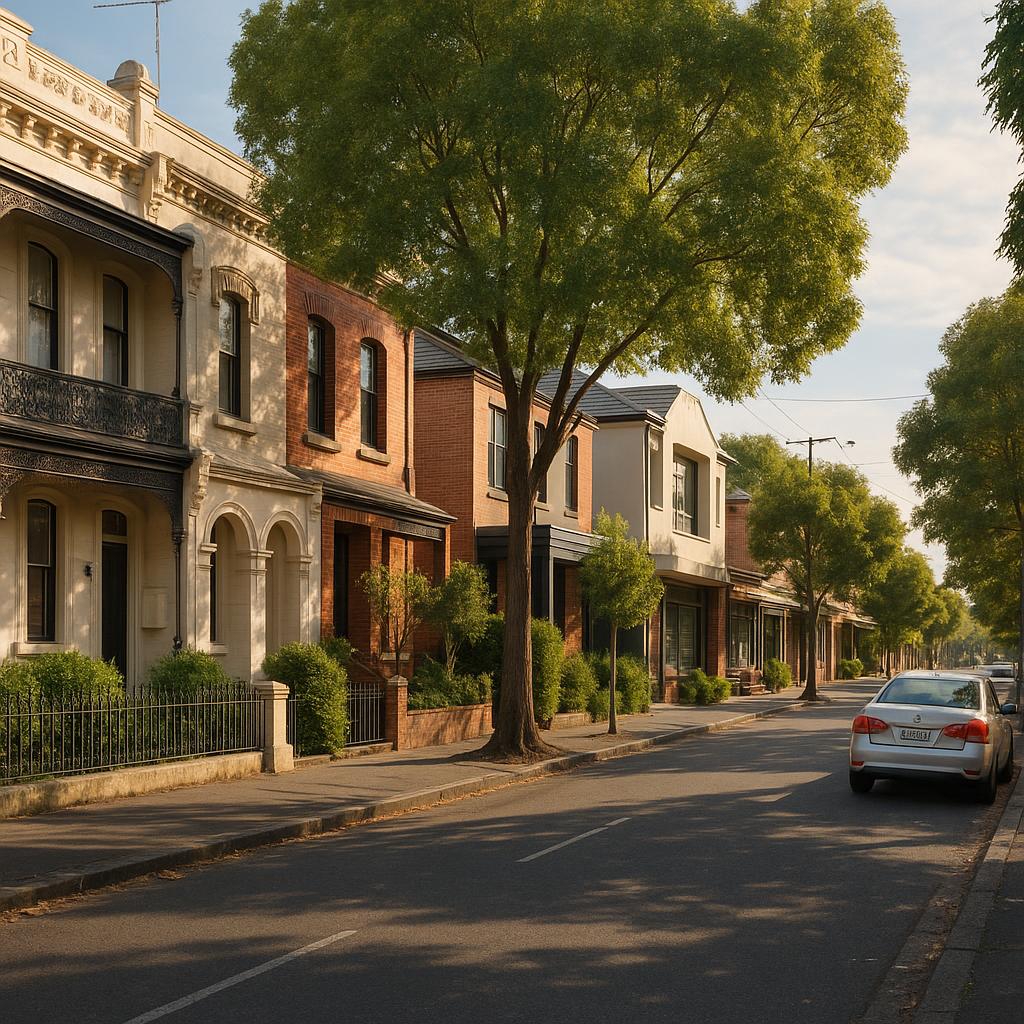
Seddon is a tightly held inner-west Melbourne suburb that suits buyers who want village-style living, strong amenity access, and a character-driven residential market. It is typically best for owner-occupiers who value walkability and established streets, and for investors who want broad rental appeal from professionals, couples, and small households. The main trade-off is that charm, location, and convenience often come with premium pricing, older-home maintenance, and limited space compared with newer suburbs.
Key Takeaways
- Seddon appeals to buyers who prioritise lifestyle, inner-west convenience, and a neighbourhood feel over newer-home uniformity.
- Property performance is highly stock-dependent, so condition, layout, and streetscape can matter as much as the suburb name.
- Investors generally benefit from broad tenant appeal, especially where homes are low-maintenance and close to everyday amenity.
- Older character homes can command strong interest, but they also require sharper due diligence on maintenance and renovation quality.
- Comparing Seddon with nearby inner-west suburbs helps buyers judge whether they are paying for location, charm, or both.
Pros & Cons
Pros
- Strong lifestyle appeal with a genuine local village atmosphere.
- Close-in inner-west location that suits commuters and city-adjacent living.
- Broad appeal to owner-occupiers, downsizers, and tenants.
Cons
- Premium positioning can reduce affordability and narrow buyer choice.
- Older homes may bring higher maintenance and renovation risk.
- Parking, land size, and street-by-street variation can affect liveability.
Market Overview
Seddon is an established inner-west Melbourne suburb with a compact footprint, a strong local identity, and a market shaped more by lifestyle than by expansion. Buyers are usually weighing proximity to the CBD, access to the surrounding inner-west, and the appeal of older streets and renovated homes against the realities of a smaller, more mature housing market.
In practical terms, the suburb tends to reward property-specific analysis. A well-presented period home, a functional townhouse, and a basic unrenovated dwelling can all attract very different buyers. That makes comparable sales, floorplan efficiency, and renovation quality especially important when assessing value.
For investors and homeowners, the key question is not simply whether Seddon is “good”, but which property type best matches the strategy. The suburb generally suits buyers who are happy to trade land size and new-home convenience for location, character, and day-to-day amenity.
Buyer Demand
Demand is usually supported by owner-occupiers, professionals, couples, and downsizers who want an inner-west lifestyle without moving into a high-rise environment. Families also look here, particularly when they want to stay close to established services and maintain access to the city.
For buyers, the strongest competition is often for well-located, move-in-ready homes with practical layouts and good presentation. Investors should note that tenant demand is typically broad, but the best-performing assets are usually those that combine low maintenance with an easy commute and sensible floorplan.
Rental Market
Seddon’s rental appeal is usually tied to location, convenience, and lifestyle fit rather than one single feature. Tenants often prioritise reduced commute time, easy access to shopping and cafés, and a suburb that feels established rather than transient.
Typical tenant profiles include professionals, couples, and smaller households who value quality of life and everyday practicality. For landlords, that means the property type matters: a townhouse or well-finished apartment may lease differently from a classic older home, even within the same street.
Lifestyle, Transport & Schools
The lifestyle appeal in Seddon comes from its village-style amenity, walkable streets, and convenient access to nearby inner-west destinations. That mix often appeals to buyers who want to live locally rather than rely on long car trips for daily errands.
Transport convenience is part of the suburb’s value proposition, particularly for commuters heading toward the CBD or broader inner Melbourne employment areas. Buyers should still check actual walking times, service frequency, parking arrangements, and how the nearest transport options fit their day-to-day routine.
School considerations can influence family demand and resale appeal, even for buyers who are not school-focused themselves. Families should verify current catchments and enrolment rules directly with official sources, because zone boundaries and availability can change.
Seddon (Vic.) Suburb Profile
Official 2021 Census snapshot for the ABS Suburbs and Localities geography.
Age profile
Housing tenure
Occupied private dwellings by tenure type.
Salary & income profile
Median total income reported in the Census.
*Annual figures are weekly median × 52 estimates, not separate ABS annual medians.
Education & qualifications
Highest educational attainment, people aged 15+.
Employment status
People aged 15+ who reported being in the labour force.
Industry of employment
Top responses among employed people aged 15 years and over.
Occupation profile
Broad occupation groups among employed residents, including managers.
Property Type Guide
- Period homes: Strong character and emotional appeal, but usually require careful inspection of maintenance, services, and renovation quality.
- Townhouses: Often a good balance of convenience and lower upkeep, with broad appeal to owner-occupiers and tenants.
- Apartments: Useful for entry-level buyers or investors who want lower-maintenance ownership, but building quality and layout are critical.
- Renovated stock: Can attract faster interest if improvements are genuine and well executed, especially where the home is ready to occupy or lease.
- Unrenovated stock: May suit buyers with renovation skill or patience, but budget realism is essential because older homes can conceal costs.
Risks & Watch-Outs
- Do not pay a suburb premium for charm without checking the actual condition of the dwelling and any hidden maintenance work.
- Older homes can look impressive online but still require expensive updates to plumbing, wiring, insulation, or moisture management.
- Street-by-street differences matter, so review noise, parking, access, and immediate surrounds before relying on suburb reputation alone.
- Layouts that photograph well may still be awkward for families, downsizers, or tenants if circulation and storage are poor.
- Always compare like-for-like evidence, because a renovated townhouse and an original house will not respond to market forces in the same way.
Nearby Suburbs to Compare
- Yarraville VIC Property Market Guide: Buyers & Investors
- Footscray VIC Property Market Guide: Buyers & Investors
- Kensington VIC Property Market Guide: Buyers & Investors
- West Melbourne VIC Property Market Guide: Buyers & Investors
- West Footscray
FAQ
Is Seddon a good suburb for first-home buyers?
It can be, if you value location and lifestyle more than land size or brand-new finishes. First-home buyers should be realistic about budget, inspect several property types, and compare Seddon with nearby suburbs to understand the trade-off between convenience and entry price.
Is Seddon better for owner-occupiers or investors?
It suits both, but for different reasons. Owner-occupiers are often drawn to the suburb’s character and walkability, while investors benefit from location-led tenant demand. The right property type is crucial, because low-maintenance stock usually broadens rental appeal.
What property type is best in Seddon?
There is no single best choice. Period homes suit buyers who want charm and long-term lifestyle value, townhouses suit those wanting practicality, and apartments can work for lower-maintenance ownership. The right answer depends on budget, upkeep tolerance, and holding horizon.
Is Seddon family-friendly?
Yes, for families who value access, established amenity, and a neighbourhood feel. That said, family buyers should assess block size, storage, parking, and school access carefully, because compact inner-west living can involve more compromises than outer-suburban options.
How should buyers assess value in Seddon?
Focus on recent comparable sales of the same property type, then test the home’s condition, layout, and street appeal. In a suburb like Seddon, the best value is often the property that balances liveability, maintenance, and future resale depth rather than the lowest asking price.
Conclusion
Seddon offers a compelling inner-west proposition for buyers who want character, convenience, and a strong local feel. The suburb can suit both homeowners and investors, but the best results usually come from disciplined property selection rather than relying on the suburb name alone. Compare property types carefully, verify current market evidence, and match the asset to your long-term goal.
Sources & How to Verify
- Check current sold results and active listings on Domain to compare like-for-like homes rather than relying on broad suburb commentary.
- Review current rental listings on realestate.com.au to see how property type, condition, and location affect asking rents.
- Use the Australian Bureau of Statistics to verify census-based demographic context, but avoid treating older census data as a current market forecast.
- Check official transport information on Public Transport Victoria to confirm service access, route changes, and travel practicality.
- Verify planning and zoning matters through Victoria’s planning resources before assuming future development potential or restriction levels.
- Look up school zones and official catchment information on Find My School, because school boundaries can change and informal advice may be outdated.
- Use the Melbourne City Council website if you need local permits, amenity updates, or council-level information affecting liveability.
- Before buying, obtain building and pest inspections, title searches, and planning checks so your decision is based on evidence rather than presentation or suburb reputation.