Quick Answer
Footscray is an inner-west Melbourne suburb that suits buyers who value CBD access, strong transport, and a wide range of housing types. It tends to appeal to investors, first-home buyers, and downsizers who are comfortable with denser urban living and want broad tenant or resale appeal. The main decision is not whether Footscray is “good” in general, but whether the specific pocket, property type, and building quality match your strategy, budget, and tolerance for noise, strata, or ongoing maintenance.
Key Takeaways
- Footscray’s appeal comes from location, connectivity, and inner-west convenience rather than quiet suburban character.
- Micro-location matters: apartment-heavy streets, established residential pockets, and redevelopment corridors can perform very differently.
- Investors should prioritise building quality, tenant fit, and long-term upkeep over assumptions about suburb-wide demand.
- Owner-occupiers need to balance urban convenience with noise, density, and lifestyle trade-offs before offering.
- The best results usually come from comparing like-for-like properties and verifying current evidence from sales, rentals, and planning sources.
Pros & Cons
Pros
- Close to the CBD with strong public transport access and practical daily convenience.
- Broad appeal across renters, first-home buyers, professionals, and downsizers.
- Diverse stock, including apartments, townhouses, older homes, and renovation opportunities.
Cons
- Higher-density living can bring noise, traffic, and privacy trade-offs.
- Apartment quality varies, so building selection and strata due diligence are critical.
- Some pockets feel more urban and compressed than buyers expect from an inner-west suburb.
Market Overview
Footscray sits in Melbourne’s inner west and functions as a genuine activity hub rather than a quiet residential backwater. That matters because the suburb attracts buyers for different reasons: commute efficiency, access to amenity, and the flexibility to choose from apartments, older houses, townhouses, or redevelopment stock. The market is therefore best read as a set of micro-markets, not one simple average.
For buyers, that means a glossy apartment near transport and a weatherboard home on a quieter street can suit completely different strategies. For investors, it means the same suburb can deliver very different outcomes depending on building quality, floorplan, parking, and tenant usability. If you want current pricing or rent context, check live comparable sales and listings rather than relying on broad suburb commentary.
Footscray’s long-term appeal is reinforced by its role as a practical inner-west centre. That supports both ownership demand and rental demand, but it also increases competition for the better-located stock. Buyers should pay close attention to street context, development pressure, and whether the property is likely to suit the next owner as well as the current one.
Buyer Demand
Buyer demand is broad because Footscray offers multiple entry points. First-home buyers often target apartments or smaller homes for location and affordability relative to closer-in alternatives, while investors look for easy-leasing stock near transport and services. Downsizers also appear in the mix when they want low-maintenance living without losing accessibility.
Demand tends to be strongest for properties that reduce friction: well-kept buildings, sensible layouts, good light, and practical parking or storage. A polished finish is helpful, but in Footscray the bigger question is whether the property will feel easy to live in day to day. Compare similar properties in nearby inner-west suburbs such as Yarraville, West Footscray and Seddon if you want to understand relative demand drivers.
Rental Market
Footscray is generally attractive to tenants who want access, convenience, and a lower-maintenance lifestyle. That can include singles, couples, sharers, and small households, particularly where the property is close to transport and everyday services. Investors should still treat the rental pool as quality-sensitive: a better layout and better-maintained building usually lease more confidently than a generic “inner suburb” address alone suggests.
For landlords, the practical checks are body corporate rules, maintenance exposure, storage, natural light, and noise control. Older housing can broaden tenant appeal if well presented, but it can also carry higher upkeep. Apartments may suit the strongest inner-city tenant segments, yet common-area quality and building management can materially affect retention and vacancy risk.
Lifestyle, Transport & Schools
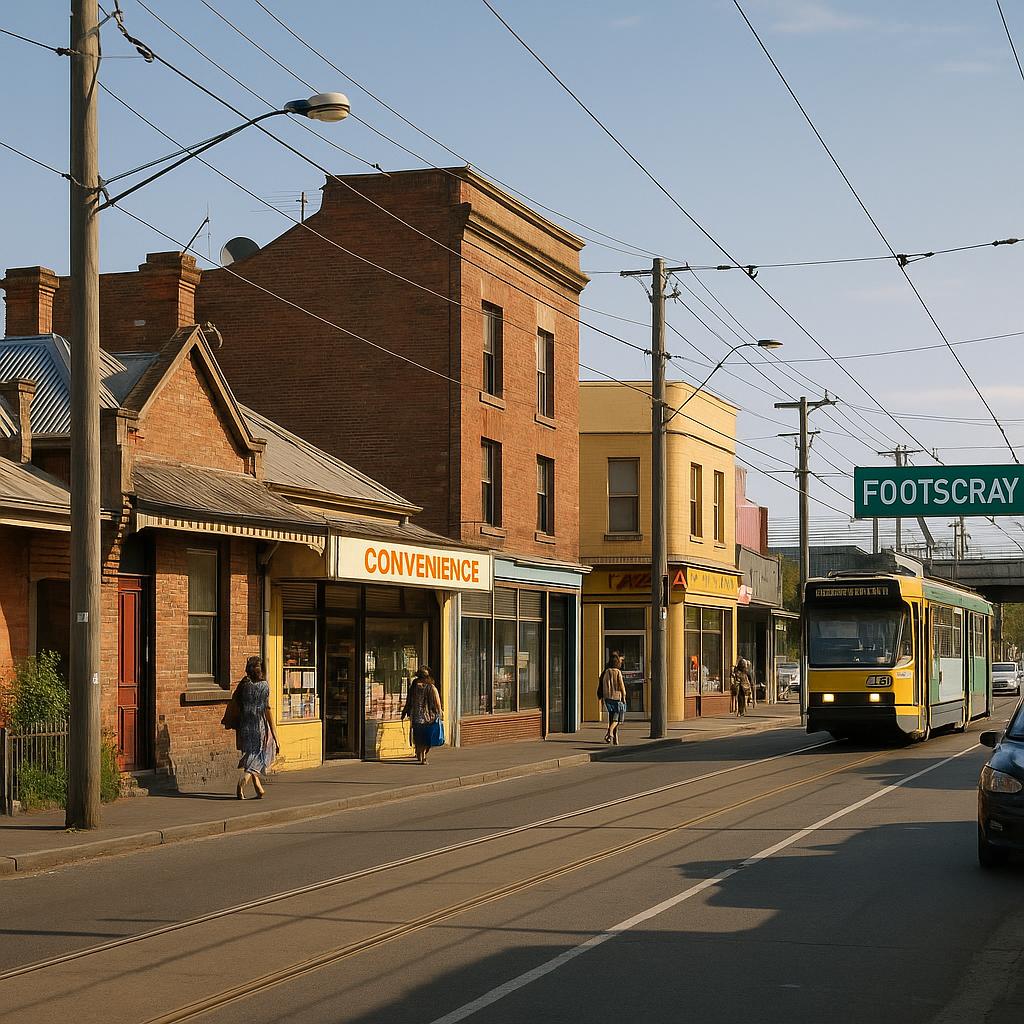
Footscray’s lifestyle appeal is built around convenience. The suburb offers a busy urban feel, diverse food and retail options, and the kind of daily accessibility that reduces dependence on a car. That works well for buyers who prefer a connected lifestyle and are willing to accept denser streets and more activity.
Transport is a major part of the value proposition, and it influences which pockets feel most desirable. Buyers should check actual walking routes, not just map proximity, because a short distance can still feel inconvenient if it crosses busy roads or awkward intersections. For families, school and education access can shape long-term ownership decisions, even when children are not yet school-aged. Always verify current catchment and enrolment rules directly through official sources, because boundaries and entry conditions can change.
In practical terms, Footscray suits buyers who want their suburb to work hard for them: commute, errands, dining, and services all bundled together. It is less ideal for people chasing quiet cul-de-sac living or large backyard space as a default assumption. The street and building matter as much as the postcode.
Footscray Suburb Profile
Official 2021 Census snapshot for the ABS Suburbs and Localities geography.
Age profile
Housing tenure
Occupied private dwellings by tenure type.
Salary & income profile
Median total income reported in the Census.
*Annual figures are weekly median × 52 estimates, not separate ABS annual medians.
Education & qualifications
Highest educational attainment, people aged 15+.
Employment status
People aged 15+ who reported being in the labour force.
Industry of employment
Top responses among employed people aged 15 years and over.
Occupation profile
Broad occupation groups among employed residents, including managers.
Property Type Guide
- Apartments: Often best for low-maintenance living and accessibility; inspect building condition, strata records, light, ventilation, parking, and storage.
- Townhouses: A middle ground for buyers wanting more privacy and space efficiency; check layout, noise transfer, and ongoing shared-cost obligations.
- Older houses: Can suit buyers seeking land, character, or renovation upside; assess structural condition, maintenance needs, and any planning constraints.
- Development or infill stock: May offer convenience and contemporary finishes, but due diligence on quality, resale appeal, and future supply is essential.
Risks & Watch-Outs
- Apartment quality can vary sharply, so do not rely on suburb reputation as a substitute for building inspection.
- Noise, traffic, and activity levels can change significantly from one street to the next.
- Body corporate fees, special levies, and governance issues can materially alter affordability.
- Older homes may offer value, but repairs, compliance, and renovation budgets need to be realistic.
- Development pressure can affect privacy, outlook, parking, and long-term neighbourhood feel.
Nearby Suburbs to Compare
- Yarraville
- West Footscray
- Seddon
- Brunswick
- Port Melbourne
FAQ
Is Footscray a good suburb for first-home buyers?
It can be, especially if you value inner-west access and are comfortable prioritising convenience over space. The key is to compare property type carefully, because a good apartment and a tired house are very different ownership propositions.
Is Footscray a good suburb for property investors?
Often yes, because the suburb has broad tenant appeal and practical transport access. The better question is whether the specific asset is easy to lease, maintain, and resell. Strong demand does not compensate for poor building quality.
What types of property are most common in Footscray?
Footscray has a mix of apartments, townhouses, older detached homes, and infill development. That mix creates flexibility, but it also means buyers must compare similar stock carefully. A suburb-wide comparison can hide major differences in ownership experience.
What should I check before buying an apartment in Footscray?
Review strata documents, building maintenance, owner-occupier ratio, noise exposure, natural light, and practical features such as parking and storage. An apartment can be a smart purchase, but only if the building and floorplan support long-term liveability.
How does Footscray compare with nearby inner-west suburbs?
It often competes with nearby suburbs that offer slightly different character, streetscape, and housing mix. Use nearby comparisons to test whether you are paying for Footscray’s convenience specifically, or whether a different suburb better suits your lifestyle preferences.
Conclusion
Footscray is best understood as a high-access inner-west market with multiple property profiles, not a one-size-fits-all suburb. It can work well for buyers and investors who value connectivity, rental depth, and urban convenience. The winning strategy is to focus on property type, street context, and building quality before getting carried away by the suburb’s momentum.
Sources & how to verify
- Check current sold results and active listings on Domain so you are comparing the right property type and not relying on stale market assumptions.
- Review live rental listings on realestate.com.au to see what tenant appeal looks like in practice, including layout, parking, and asking rent patterns.
- Use ABS data for broad demographic context, but treat it as background only and not a substitute for current street-level market evidence.
- Check transport service information on Public Transport Victoria to confirm actual connectivity, route options, and service frequencies from the relevant address.
- Review planning and zoning information through Victorian planning resources so you understand overlays, future development potential, and any constraints on renovation or rebuilding.
- Look at council planning updates and local project notices on the Maribyrnong City Council website to identify works or precinct changes that may influence amenity.
- Confirm school zoning and enrolment details through the Find My School tool before making assumptions about catchments or access.
- Inspect strata records, building reports, and comparable sales manually, because no suburb guide can replace due diligence on the exact property you intend to buy.