Quick Answer
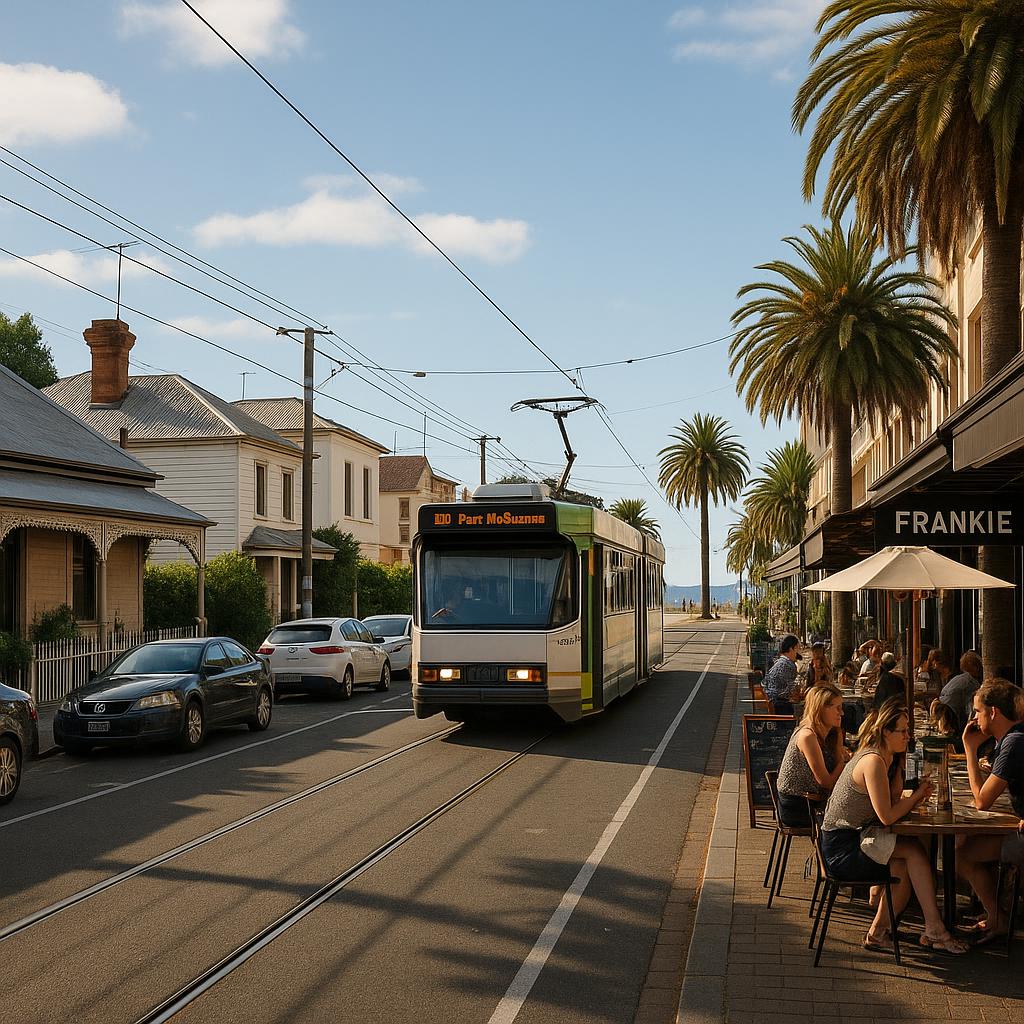
Port Melbourne is a tightly held inner-bayside suburb with strong lifestyle appeal, walkability, and close access to the CBD, making it attractive to both owner-occupiers and investors. The market is usually best suited to buyers who value convenience, low-maintenance living, and long-term desirability over bargain pricing. For investors, tenant demand is typically supported by professionals and downsizers, but property type, building quality, and micro-location matter far more than the suburb name alone.
Key Takeaways
- Port Melbourne is a lifestyle-led inner-bayside market where convenience, amenity, and liveability strongly influence buyer decisions.
- Proximity to the CBD, beach, tram access, and daily essentials supports broad demand from owner-occupiers and renters.
- The suburb includes very different property outcomes, so building quality, street position, and layout deserve close scrutiny.
- Investors should focus on tenant appeal, low vacancy risk, and ongoing costs rather than assuming every property will perform equally.
- Buyers comparing Port Melbourne with nearby suburbs should test whether the premium is justified by their use case and holding horizon.
Pros & Cons
Pros
- Excellent access to the CBD and major employment areas
- Strong lifestyle appeal with bay-side living, cafes, parks, and walking paths
- Broad appeal to owner-occupiers and renters
Cons
- Premium entry point compared with many outer or middle-ring suburbs
- Some apartment stock varies in quality, layout efficiency, and owner-occupier appeal
- Busy roads, traffic flow, and parking constraints can affect livability in certain pockets
Market Overview
Port Melbourne sits close to the city and the bay, which gives it a rare combination of urban convenience and coastal lifestyle. That positioning makes it a classic inner-bayside suburb: highly sought after, relatively supply-constrained, and shaped by buyers who are willing to pay for daily convenience and strong amenity.
The market is not one-size-fits-all. Apartments, modern townhouses, renovated terraces, and occasional larger homes all attract different buyer pools. In practice, Port Melbourne rewards properties with good natural light, functional floor plans, secure parking where relevant, and a quieter setting that still keeps the CBD, beach, and transport within easy reach.
Because the suburb is premium and tightly held, micro-location matters. A well-located boutique apartment can outperform a more generic one in a larger complex, while a character home on a calmer street may attract stronger long-term owner-occupier demand than a comparable property in a busier pocket.
Buyer Demand
Demand usually comes from professionals, downsizers, and established households who want a lower-friction lifestyle. Many buyers are not simply purchasing a dwelling; they are buying time savings, walkability, and a practical inner-city base that reduces dependence on the car.
For investors, that buyer profile is useful because it often overlaps with tenant demand. However, the strongest competition tends to focus on properties that feel easy to live in: efficient layouts, good storage, solid building reputation, and immediate access to transport, shops, and daily amenities.
Rental Market
Port Melbourne is typically attractive to tenants who value proximity to employment hubs, the beach, and a strong local lifestyle. That can support leasing interest for well-presented apartments and townhouses, especially those with secure parking, practical layouts, and enough natural light to feel spacious.
Investors should still treat the rental market as property-specific. A poorly designed apartment in a premium suburb can lease less smoothly than a better-planned home in a less fashionable location. In Port Melbourne, tenant appeal usually improves when the property feels quiet, low-maintenance, and easy to access for commuting and everyday errands.
Lifestyle, Transport & Schools
Port Melbourne’s lifestyle appeal is one of its biggest strengths. Residents can typically access cafes, dining, coastal walks, parks, and everyday shopping without sacrificing connection to the CBD. That mix is especially appealing to buyers who want an active but practical urban lifestyle rather than a purely prestige address.
Transport access is another major draw. Tram connections and strong road links help reduce commute friction, and walkability is a key part of the suburb’s appeal. For many households, the ability to complete day-to-day tasks on foot or via short trips is just as valuable as formal transport access.
School considerations matter for family buyers, even when they are not buying strictly for a catchment. Families tend to assess local schooling options, childcare, and access to broader education precincts across inner Melbourne. If schooling is a priority, verify current zones and enrolment requirements directly with official state sources before making assumptions.
Port Melbourne Suburb Profile
Official 2021 Census snapshot for the ABS Suburbs and Localities geography.
Age profile
Housing tenure
Occupied private dwellings by tenure type.
Salary & income profile
Median total income reported in the Census.
*Annual figures are weekly median × 52 estimates, not separate ABS annual medians.
Education & qualifications
Highest educational attainment, people aged 15+.
Employment status
People aged 15+ who reported being in the labour force.
Industry of employment
Top responses among employed people aged 15 years and over.
Occupation profile
Broad occupation groups among employed residents, including managers.
Property Type Guide
- Apartments: Often the easiest entry point and generally the most practical for investors seeking broad tenant appeal; check building quality, floor plan efficiency, natural light, storage, and parking.
- Townhouses: Suit buyers wanting more space and a house-like feel with less upkeep; look closely at privacy, aspect, internal flow, and noise exposure.
- Heritage homes and terraces: Appeal to buyers who value character and scarcity; assess renovation quality, maintenance needs, and layout practicality.
- Larger family homes: Less common and often tightly held, making them attractive when well located; verify street appeal, privacy, parking, and livability.
Risks & Watch-Outs
- Traffic noise, parking pressure, and busy-road exposure can materially change livability from one pocket to the next.
- Some apartments may have weak layouts, limited storage, or building features that date quickly in the eyes of future buyers.
- Strata levies, maintenance history, and building defects should be checked carefully before committing to any shared-title property.
- Premium pricing can tempt buyers to overpay for lifestyle branding rather than underlying practicality and resale strength.
- Waterfront or highly visible locations may come with higher ongoing costs, so compare total ownership cost as well as the purchase price.
Nearby Suburbs to Compare
- South Melbourne VIC Property Market Guide: Buyers & Investors
- Albert Park VIC Property Market Guide: Buyers & Investors
- St Kilda VIC Property Market Guide: Buyers & Investors
- Melbourne VIC Property Market Guide: Buyers & Investors
FAQ
Is Port Melbourne good for first-home buyers?
It can be, but the main challenge is price sensitivity and the need to choose the right property type. Entry-level apartments may suit first-home buyers better than terraces or larger homes. Focus on usability, strata quality, and long-term resale rather than stretching for lifestyle alone.
Is Port Melbourne better for investors or owner-occupiers?
Both can do well, but the suburb is often especially compelling for owner-occupiers who directly value the lifestyle benefits. Investors can still benefit from solid tenant demand, provided the dwelling is practical, well located, and competitively presented against comparable inner-bayside stock.
What property type performs best in Port Melbourne?
There is no single winner. Apartments can suit investors and busy professionals, townhouses often appeal to households wanting space without heavy maintenance, and heritage homes can attract scarcity value. The best choice depends on budget, holding period, and how the property will be used.
Is Port Melbourne family-friendly?
It can be, particularly in pockets with calmer streets, parks, and better access to transport and schools. Families often favour townhouses or houses over smaller apartments, but the suburb’s convenience, walkability, and access to inner-Melbourne amenities are genuine advantages for many households.
What should buyers inspect most carefully?
Check natural light, floor plan efficiency, storage, parking access, noise, and building condition. In apartments, review strata records and the owner-occupier mix. In older homes, assess maintenance, renovation quality, and whether the layout suits modern living rather than only looking attractive on inspection.
Conclusion
Port Melbourne remains a premium inner-bayside market where lifestyle, convenience, and property quality drive performance. It can suit both buyers and investors, but success depends on choosing the right pocket and the right dwelling, not just the suburb. If you verify building quality, layout, and resale appeal, you can make a far more confident decision here.
Sources & How to Verify
- Check current sold results on realestate.com.au to compare Port Melbourne properties by type, street, and recent market activity.
- Review live listings on Domain to see how presentation, parking, outdoor space, and floor plan affect asking prices.
- Use ABS data to understand broader demographic and housing patterns without relying on outdated suburb anecdotes.
- Confirm planning controls and development context with City of Port Phillip before assuming future streetscape or density conditions will stay the same.
- Check school zones and enrolment details on Find My School if education access matters to your purchase decision.
- Review transport routes and service changes through Public Transport Victoria so you are not relying on generic commute assumptions.
- Request strata records, levies, and maintenance history for apartments or townhouses, because shared-title costs can change the real economics of a purchase.
- Arrange an independent building and pest inspection where relevant, especially for older terraces, renovated homes, or apartments with unclear maintenance history.