Quick Answer
Malvern VIC is one of Melbourne’s established inner-eastern prestige suburbs, and it tends to suit buyers who value location, character housing, and everyday convenience over bargain pricing. For homeowners, it offers a polished lifestyle base with strong amenity and good access to transport, shopping, and schools. For investors, the appeal is usually stable demand and resilient tenant interest rather than speculative upside. The key is choosing the right property type and micro-location, because outcomes vary sharply street by street.
Key Takeaways
- Malvern is a tightly held inner-east suburb with enduring appeal for families, professionals, downsizers, and long-term investors.
- Property quality and micro-location matter more here than headline suburb branding, especially near transport, schools, and busy roads.
- Houses and period homes suit buyers chasing character, land, and prestige, while apartments and townhouses suit convenience-focused buyers.
- Rental demand is typically supported by the suburb’s amenity, transport access, and broad lifestyle appeal across several tenant groups.
- Buyers should verify current prices, school zones, and strata or building risks using up-to-date local and official sources.
Pros & Cons
Pros
- Established prestige and strong lifestyle appeal
- Excellent access to transport and daily amenities
- Broad demand from families, professionals, downsizers, and investors
Cons
- Higher entry expectations than many Melbourne suburbs
- Competition can be strong for quality homes in preferred pockets
- Older homes and strata dwellings can bring maintenance or fee considerations
Market Overview
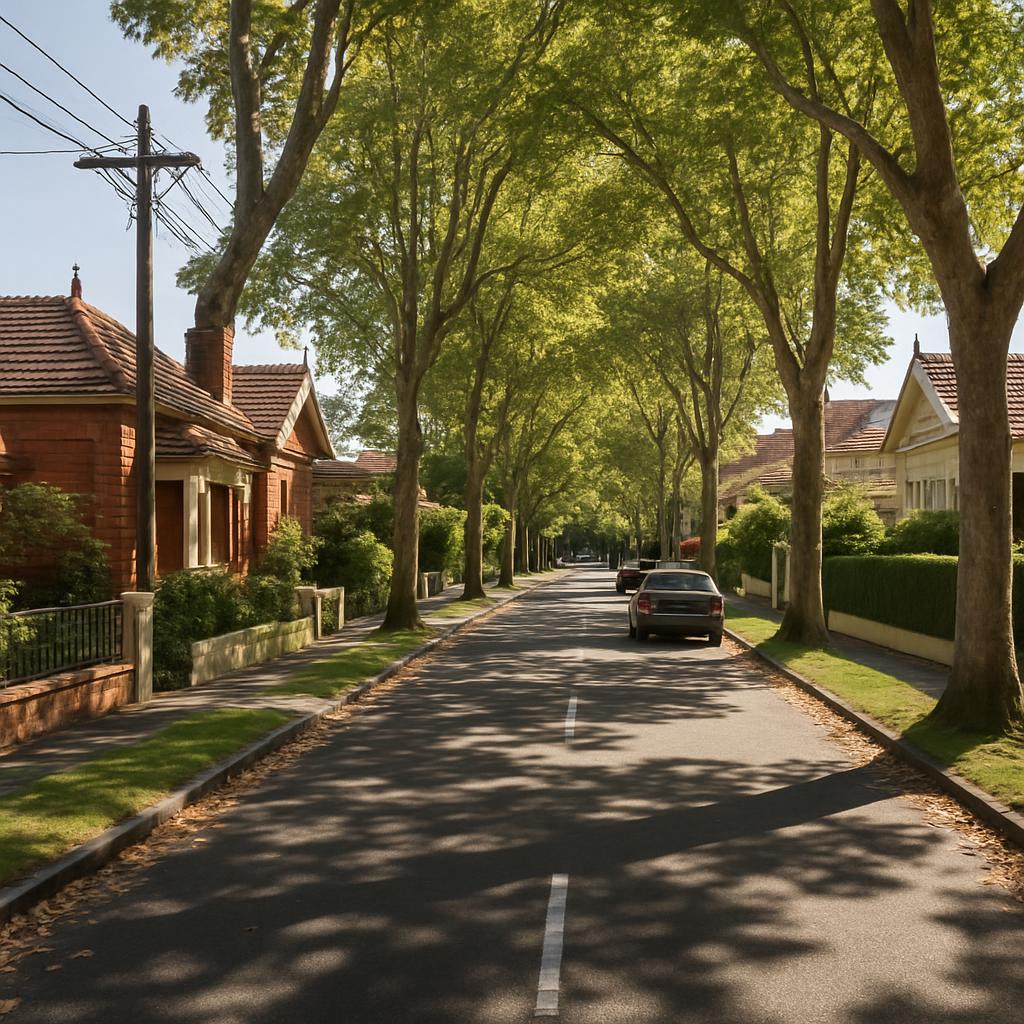
Malvern sits in Melbourne’s inner-east and is widely viewed as a premium, established residential suburb. Its market is shaped by leafy streets, character homes, renovated family properties, boutique townhouses, and apartments close to amenity. That mix gives the suburb broad appeal, but also means performance depends heavily on property type, street quality, and presentation.
For buyers, Malvern is generally about quality rather than discount entry. For homeowners, it offers long-term liveability and neighbourhood prestige. For investors, it is more of a resilience play than a high-risk growth story, especially when the property is low-maintenance and well located for transport and daily convenience.
Another important feature is that Malvern does not behave like a one-note suburb. A renovated period home on a quiet street will attract a very different buyer pool from a small apartment near a busy corridor. That is why local comparables and on-the-ground inspection matter so much here.
Buyer Demand
Demand in Malvern is usually driven by a mix of family buyers, professionals, downsizers, and investors. Family buyers often want space, school access, and the prestige of an inner-east address, while downsizers often want to stay close to familiar services without maintaining a large property.
What buyers repeatedly value here is certainty: good presentation, practical floorplans, transport access, and a street that feels settled rather than compromised. In a suburb like this, the “best” property is often the one that reduces friction in daily life, not simply the one with the most land or the newest fit-out.
Rental Market
Malvern’s rental appeal generally comes from convenience, amenity, and the ability to offer a premium inner-suburb lifestyle. That can suit professionals, couples, small families, and some students or education-linked renters depending on the property’s position and format.
Low-maintenance dwellings often rent more smoothly than older homes with high upkeep, especially when they are close to transport and shopping. For landlords, the key decision is matching the dwelling to the right tenant profile before purchase, because a premium suburb does not automatically guarantee an easy rental experience.
Lifestyle, Transport & Schools
Malvern has the kind of established, leafy feel many Melbourne buyers actively seek. It is the sort of suburb where convenience matters as much as character: daily errands, dining, cafes, and services are all part of the value proposition, not just the housing stock.
Transport is a major practical advantage for commuters and renter appeal. Good public transport access typically improves market depth, especially for apartments and townhouses, while also supporting broader liveability for households that still want a car but do not want to rely on it every day.
School access is another major driver, particularly for family buyers. The key point is to verify catchments directly and not assume a school-zone outcome based on suburb reputation alone. A home’s true value often increases when its transport and school convenience fit a buyer’s daily routine.
Malvern (Vic.) Suburb Profile
Official 2021 Census snapshot for the ABS Suburbs and Localities geography.
Age profile
Housing tenure
Occupied private dwellings by tenure type.
Salary & income profile
Median total income reported in the Census.
*Annual figures are weekly median × 52 estimates, not separate ABS annual medians.
Education & qualifications
Highest educational attainment, people aged 15+.
Employment status
People aged 15+ who reported being in the labour force.
Industry of employment
Top responses among employed people aged 15 years and over.
Occupation profile
Broad occupation groups among employed residents, including managers.
Property Type Guide
- Period houses: Best for buyers wanting character, land, and long-term family appeal. Watch for maintenance, renovation scope, and heritage-related constraints where relevant.
- Renovated family homes: Best for buyers wanting move-in-ready convenience and lower uncertainty. Check whether the improvements are structural and functional, not only cosmetic.
- Townhouses: Best for downsizers, small families, and buyers wanting less maintenance. Review privacy, parking, owner rules, and body corporate settings.
- Apartments: Best for investors, first-home buyers, and low-maintenance lifestyles. Assess building quality, ongoing fees, and the owner-occupier balance.
- How to choose: If you are buying for lifestyle, prioritise layout and daily convenience. If you are buying for investment, prioritise tenant appeal and maintenance ease.
Risks & Watch-Outs
- Premium suburbs can tempt buyers to overextend for the postcode, so always test holding costs against your real budget.
- Older homes may conceal structural, plumbing, or electrical issues, which makes building reports and specialist inspections important.
- Apartment and townhouse buyers should review body corporate documents, because fees and rules can materially affect returns and livability.
- Micro-location matters: traffic, noise, parking stress, and street presentation can change buyer interest even within the same pocket.
- Do not assume every property in Malvern will attract the same demand; the wrong dwelling type can underperform its suburb reputation.
Nearby Suburbs to Compare
- Armadale
- Toorak
- Camberwell
- Hawthorn
- Kew
FAQ
Is Malvern a good suburb for families?
Yes, Malvern is often attractive to families because it combines a premium residential feel with practical amenity, transport access, and a range of housing choices. The best family purchase usually depends on school needs, parking, and whether the home is move-in ready or renovation-heavy.
Is Malvern a good suburb for investors?
It can be, especially if you prioritise stable tenant demand, low maintenance, and a location that supports long-term desirability. Investors should focus on dwellings that are easy to lease and easy to hold, rather than assuming prestige alone will produce strong returns.
What property type is best in Malvern?
There is no single best type. Period houses suit buyers wanting character and land, townhouses suit those wanting less upkeep, and apartments can suit investors or downsizers. The right choice depends on your budget, maintenance tolerance, and time horizon.
Is Malvern better for buying or renting?
It depends on your situation. Buying may suit people seeking long-term lifestyle value and a stable address, while renting can suit those who want access to the suburb without the capital commitment. Compare total ownership costs against the rent you would otherwise pay.
What should buyers check before purchasing in Malvern?
Check the exact street, building condition, transport access, parking, and school-zone eligibility. For units and townhouses, also review body corporate records and any upcoming maintenance. A premium suburb still requires hard due diligence.
Conclusion
Malvern is best understood as a premium, established inner-eastern suburb where quality, convenience, and micro-location drive outcomes. It suits buyers who want long-term liveability and investors who value reliable demand. The best results usually come from choosing the right property type, not just the right postcode.
Sources & how to verify
- Check current sold results and live listings on Domain to compare Malvern against nearby suburbs using the same property type and bedroom count.
- Review current market evidence on realestate.com.au so you can test whether asking prices and advertised rents are consistent with your expectations.
- Use the Australian Bureau of Statistics to verify demographic context and avoid relying on outdated suburb assumptions.
- Confirm school zones and enrolment boundaries through Find My School before making any family-buying decision.
- Check public transport routes and service patterns on Public Transport Victoria to understand how commute convenience changes by pocket.
- Review planning controls, overlays, and local development information via the City of Stonnington so you can identify heritage or planning constraints.
- If buying a unit or townhouse, read body corporate records carefully and verify levy history, special levies, and maintenance plans before committing.
- For a final check, inspect the property at different times of day and compare it with several recent local sales, because street-level differences can be material.