Quick Answer
Caulfield is a well-established inner south-east Melbourne suburb that suits buyers who value convenience, access to transport, and a broad mix of housing options. It tends to appeal to homeowners, downsizers, professionals, families, and investors who want a location with enduring day-to-day practicality. The key is to match the property type to your goal: apartments for lower maintenance, townhouses for balance, and houses for longer-term family use.
Key Takeaways
- Caulfield usually appeals to buyers who prioritise connectivity, established amenity, and a practical Melbourne lifestyle.
- Demand can be supported by multiple buyer groups, which helps the suburb remain relevant across different market conditions.
- Property choice matters: apartments, townhouses, and houses each serve different budgets, risk profiles, and living needs.
- Well-presented homes near transport and daily conveniences are often more competitive than average stock.
- Use current listings, recent comparable sales, and strata or building checks to verify value before you buy.
Pros & Cons
Pros
- Strong location appeal for commuters and lifestyle-focused buyers.
- Broad housing mix gives more entry points across budgets and strategies.
- Established suburb character can support long-term buyer interest.
Cons
- Quality stock can attract strong competition, especially in convenient pockets.
- Older apartments and homes may need careful inspection and budgeting.
- Buyers must assess strata, maintenance, and street-level issues closely.
Market Overview
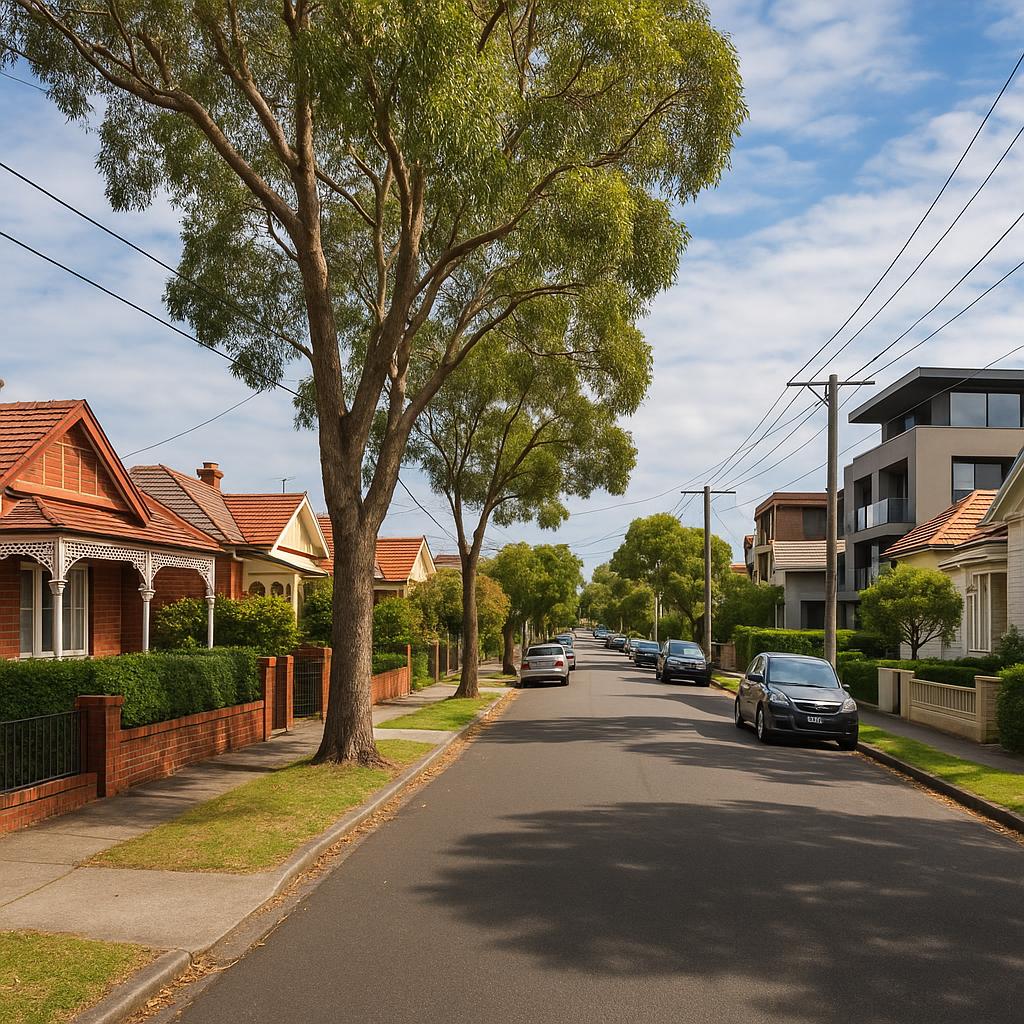
Caulfield sits in Melbourne’s inner south-east and is generally viewed as an established, well-connected suburb rather than a speculative or fringe market. Its appeal comes from practical advantages: access to transport, a mix of dwelling types, proximity to major activity corridors, and a residential feel that still offers convenience. For many buyers, that combination is more important than chasing a “cheap entry” price point.
Market behaviour in Caulfield is often shaped by property type and micro-location. Apartments and smaller dwellings may suit buyers wanting lower maintenance, while family homes and renovated period stock attract more competitive interest from owner-occupiers. Buyers should compare street character, building age, orientation, parking, and surrounding amenity, because those details can materially affect livability and resale appeal.
In practical terms, Caulfield tends to reward disciplined buyers who look beyond the suburb name. A good asset here is usually one that combines convenience, functional design, and manageable ongoing costs. Verification should always be based on current comparable sales, live listings, and building-specific due diligence rather than broad suburb assumptions.
Buyer Demand
Demand in Caulfield is usually driven by a mix of owner-occupiers and investors, which helps create a deeper buyer pool than in more single-purpose suburbs. Families often look for access to education and usable homes, while professionals want transport convenience and easy access to daily services. Downsizers also remain an important group because the suburb can offer familiarity, amenity, and lower-maintenance options.
For buyers, the strongest competition is often for homes that are clean, well-located, and easy to live in immediately. That means natural light, sensible floor plans, parking, and a quiet enough setting can matter as much as the headline address. Investors should remember that broad demand does not mean every asset will lease or resell equally well; the best outcomes usually come from matching the dwelling to the local buyer and renter profile.
Rental Market
Caulfield’s rental appeal comes from convenience and flexibility. Tenants who want access to transport, education, and established amenities often find the suburb practical, particularly if they are seeking a manageable commute or a low-maintenance home base. That makes the suburb relevant for students, young professionals, couples, and some small households.
Rental performance will depend heavily on property type and presentation. Well-kept apartments can suit the local renter profile if they offer parking, storage, and a functional layout, while townhouses and houses may attract longer-term tenants who want more space. Investors should verify current vacancy conditions and leasing demand through live listings and recent comparable rentals, because leaseability is ultimately property-specific.
Lifestyle, Transport & Schools
Caulfield offers an established residential lifestyle with the kind of everyday amenity many Melbourne buyers want: local retail, cafés, services, parks, and access to broader inner south-east destinations. That convenience is a major reason the suburb remains attractive to both homeowners and tenants. It suits people who want to reduce car dependence without sacrificing a suburban setting.
Transport is a core feature of the area’s value proposition. Good transport access can widen the buyer and tenant pool by making the suburb attractive to commuters, students, and anyone who values easy movement across Melbourne. For schools, families should verify current catchments, enrolment rules, and options directly with official sources because school planning can influence both purchase demand and long-term holding decisions.
The lifestyle trade-off is straightforward: the more convenient the location, the more important it becomes to inspect noise, traffic flow, parking pressure, and the immediate street environment. A quiet residential pocket may suit families, while a more accessible position may be better for buyers who prioritise convenience over privacy. The best choice depends on how you intend to live in or rent out the property.
Caulfield Suburb Profile
Official 2021 Census snapshot for the ABS Suburbs and Localities geography.
Age profile
Housing tenure
Occupied private dwellings by tenure type.
Salary & income profile
Median total income reported in the Census.
*Annual figures are weekly median × 52 estimates, not separate ABS annual medians.
Education & qualifications
Highest educational attainment, people aged 15+.
Employment status
People aged 15+ who reported being in the labour force.
Industry of employment
Top responses among employed people aged 15 years and over.
Occupation profile
Broad occupation groups among employed residents, including managers.
Property Type Guide
- Apartments: Often suit first-home buyers, investors, and downsizers seeking lower maintenance and convenience; check strata fees, building quality, and noise.
- Townhouses: A middle-ground option for buyers wanting more space than an apartment without the upkeep of a full house.
- Freestanding houses: Usually appeal to families and long-term owners seeking privacy, outdoor space, and renovation potential.
- Older stock: Can offer character and land-value appeal, but inspect for hidden maintenance issues and realistic upgrade costs.
- Newer stock: May reduce immediate repair risk, but compare design quality, body corporate settings, and construction durability.
Risks & Watch-Outs
- Do not buy on suburb reputation alone; the specific street, building, and floor plan can change the outcome materially.
- Older apartments and houses may hide expensive maintenance items, so inspections and document review are essential.
- Strata levies, special levies, and building defects can erode returns if they are not assessed before purchase.
- Traffic, parking stress, and noise can affect liveability in convenience-oriented pockets.
- Investor demand can be strong for the right asset, but weak layout or poor presentation can still limit rental results.
Nearby Suburbs to Compare
- Malvern VIC Property Market Guide: Buyers & Investors
- Malvern East
- Caulfield North
- Elsternwick
- Carnegie
- Brighton VIC Property Market Guide: Buyers & Investors
FAQ
Is Caulfield a good suburb for buyers?
Yes, if you value convenience, established amenity, and a suburb that can suit different life stages. Caulfield is generally better for buyers who want practical access and broad livability than for those chasing a large block at lower cost. Always assess the individual property, not just the suburb name.
Is Caulfield good for investors?
It can be, because the suburb tends to attract a range of tenants, including professionals, couples, downsizers, and some students. Investors should focus on leaseability, strata costs, and property type alignment rather than assuming every address will perform equally well. Current rental evidence is essential.
What type of property is best in Caulfield?
The best type depends on your goal. Apartments may suit lower-maintenance buyers and investors, townhouses can offer a balanced option, and houses are usually more suitable for families or long-term owners. Compare costs, ongoing upkeep, and likely tenant or buyer demand before deciding.
How do I compare Caulfield with nearby suburbs?
Use a simple framework: compare housing stock, transport convenience, lifestyle amenity, school access, and the type of buyers competing in each suburb. Suburbs nearby may look similar on a map but differ meaningfully in price pressure, property mix, and street-level liveability.
What should I inspect before buying in Caulfield?
Inspect building condition, layout efficiency, natural light, parking, noise exposure, and any strata or owners corporation documents if applicable. For houses, also check maintenance, renovation quality, and surrounding development pressure. A strong suburb cannot fully offset a poorly chosen asset.
Conclusion
Caulfield is a practical, established Melbourne suburb that rewards buyers who think carefully about property type, street quality, and holding costs. It has broad appeal because it offers convenience and flexibility rather than a single narrow buyer profile. The best purchase is usually the one that matches your strategy, your budget, and the specific micro-location.
Sources & How to Verify
- Check current sold evidence on Domain so you are comparing the right property type, not just the suburb median.
- Review active rental listings on realestate.com.au to confirm current leaseability, fit, and competition for similar homes.
- Use the Australian Bureau of Statistics to understand official suburb and regional context before drawing demographic conclusions.
- Confirm transport details through Public Transport Victoria so you are relying on current routes, stations, and service changes.
- Check planning controls and overlays on Planning Victoria before assuming redevelopment or renovation options.
- Verify school zones, enrolment rules, and distance assumptions using the official Find My School tool rather than third-party summaries.
- If buying an apartment or townhouse, read the owners corporation records and building reports carefully because strata issues can materially change the investment case.
- Cross-check every market claim with current agent appraisals and recent comparable sales, because suburb conditions can shift faster than published guides.